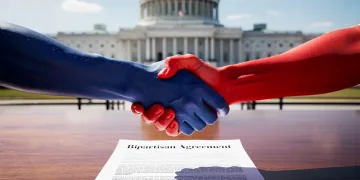
Bipartisan Bills: Why 7 Survived 119th Congress Gridlock
Despite significant partisan gridlock, seven key bipartisan compromise bills successfully navigated the 119th Congress. This analysis delves into the underlying factors, legislative strategies, and critical moments that allowed these crucial pieces of legislation to pass, offering insights into effective cross-party collaboration in a divided political landscape.
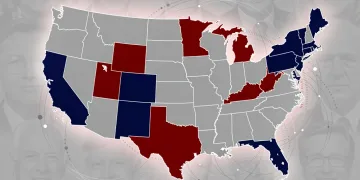
2026 Senate Map: 8 Vulnerable Incumbents Face Threats
The 2026 Midterm Senate Map is already highlighting significant vulnerabilities for incumbents across both major parties. Eight key races are emerging as critical battlegrounds, with factors like presidential election cycles, state-level dynamics, and candidate quality poised to shape outcomes. Understanding these early indicators is crucial for anticipating the future political landscape.

Unpacking the 15% Swing Voter Coalition in 2026 US Politics
The 15% swing voter coalition is poised to significantly influence national political dynamics in 2026. This group's evolving preferences and demographic shifts are critical for both major parties. Understanding their motivations is key to predicting future electoral outcomes across the United States.
Federal Judicial Confirmations: Senate's Record 40 Appellate Judges
The Senate's swift confirmation of 40 new appellate judges marks a significant moment in U.S. judicial history. This article delves into the processes, political dynamics, and long-term implications of these rapid Federal Judicial Confirmations, offering a comprehensive overview for engaged citizens.
2026 NDAA: 4 Regulatory Mandates Every Policy Analyst Must Know
The 2026 National Defense Authorization Act introduces four pivotal regulatory mandates. Policy analysts must grasp these changes to navigate the evolving landscape of US defense. This comprehensive overview provides essential insights into the immediate and long-term implications for national security and related industries.

Federal Campaign Finance Regulations: Impact on Independent Expenditure Groups
New federal campaign finance regulations are poised to significantly impact independent expenditure groups, with potential operational shifts of up to 25%. This report delves into the specifics, offering a clear view of the changes and their implications for political spending and advocacy in the United States.
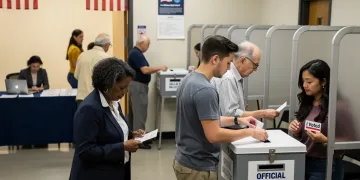
2026 Midterm Voter Turnout: Projecting 52% Participation
The 2026 Midterm Voter Turnout Forecast projects a 52% participation rate, signaling key shifts in voter engagement. This analysis delves into the underlying factors driving these predictions, offering insights into potential impacts on the political landscape. Understanding these trends is crucial for stakeholders and the public alike.

The 5 Most Contested Executive Orders Signed in 2026 and Their Constitutional Challenges
The 5 Most Contested Executive Orders Signed in 2026 and Their Constitutional Challenges are reshaping the political landscape. This article provides crucial insights into their legal battles and societal impacts, offering a clear view of current developments.
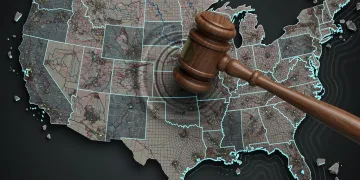
Redistricting Cases: How Legal Challenges Altered the Battlefield
Legal challenges in six landmark redistricting cases have profoundly altered the national 435-seat battlefield. These rulings have reshaped electoral maps, influencing political power and representation across the United States. Understanding these cases is crucial for comprehending contemporary US politics and future election outcomes.
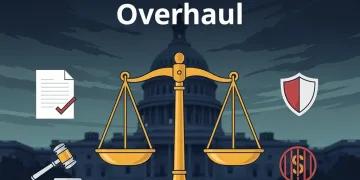
2026 Federal Ethics Overhaul: 3 Strict Restrictions for Former Lawmakers
The 2026 Federal Ethics Overhaul introduces three strict restrictions on former lawmakers, aiming to curb undue influence and restore public trust. This significant reform addresses revolving door concerns, enhancing transparency. We delve into the specifics of these new regulations and their anticipated impact on the political landscape.