2026 Senate Map: 8 Vulnerable Incumbents Face Threats
Advertisements
Latest developments on How the 2026 Midterm Senate Map Threatens 8 Vulnerable Incumbents Across Both Parties, with key facts, verified sources and what readers need to monitor next in Estados Unidos, presented clearly in Inglês (Estados Unidos) (en-US).
How the 2026 Midterm Senate Map Threatens 8 Vulnerable Incumbents Across Both Parties is shaping today’s agenda with new details released by political analysts and campaign strategists. This update prioritizes what changed, why it matters and what to watch next, in a straightforward news format.
The 2026 midterm elections, though still distant, are already drawing significant attention due to the high number of potentially vulnerable Senate seats. Both Democrats and Republicans face formidable challenges in defending incumbents in states that could swing either way, indicating a highly competitive electoral cycle.
Understanding the early landscape of these races is crucial for political observers and voters alike. The confluence of presidential approval ratings, economic conditions, and evolving demographic shifts will play pivotal roles in determining the fate of these eight vulnerable incumbents.
Early polling data and fundraising reports are beginning to paint a preliminary picture of where these contests stand. These initial indicators, while not definitive, offer valuable insights into the strategies both parties are likely to employ to secure or flip these critical Senate seats.
The Shifting Political Landscape and Incumbent Vulnerabilities
The political landscape leading into 2026 is characterized by fluid voter sentiments and persistent partisan divides. These dynamics create an environment where even long-serving incumbents may find themselves battling for political survival.
Several factors contribute to this heightened vulnerability, including the historical trend of the president's party losing seats in midterms, and the increasing polarization of the electorate. Each of these elements can amplify the challenges faced by incumbents.
The specific states where these eight vulnerable incumbents reside often exhibit unique political characteristics. These include a history of split-ticket voting, significant demographic changes, or recent shifts in party affiliation, making them prime targets for both parties.
Key States to Watch in the 2026 Senate Map
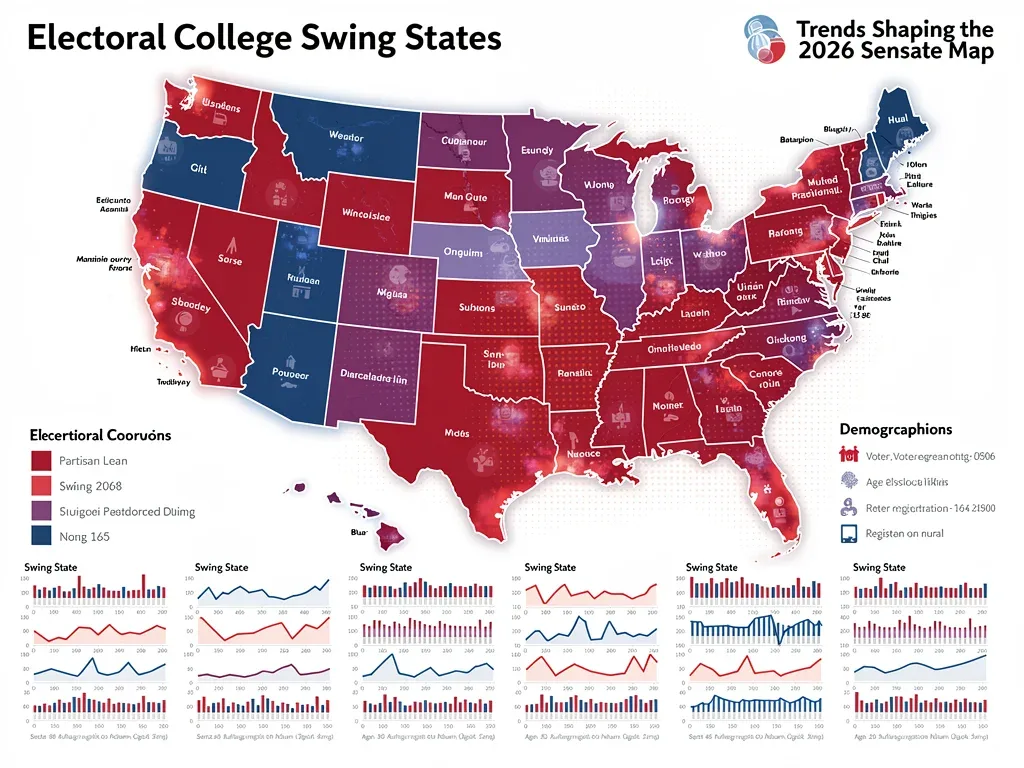
- Arizona: A state with a growing independent voter base and a history of close statewide elections, making it a perennial battleground for the 2026 Senate Map Threats.
- Montana: A traditionally red state with a Democratic incumbent, presenting a significant target for Republican challengers as part of the 2026 Senate Map Threats.
- Ohio: A swing state that has trended Republican in recent presidential elections but still elects Democrats statewide, making it a critical contest for the 2026 Senate Map Threats.
- Pennsylvania: Another crucial swing state with a Democratic incumbent, where statewide races are often decided by narrow margins, intensifying the 2026 Senate Map Threats.
The battle for control of the Senate is expected to be fierce, with both parties investing heavily in these races. The outcome of these contests will profoundly impact the legislative agenda and judicial appointments for the latter half of the decade.

Early campaign activities, including candidate recruitment and grassroots organizing, are already underway in these pivotal states. The efforts made now could set the stage for success or failure in 2026, underscoring the long-term strategic planning involved.
Democratic Incumbents Facing Uphill Battles
Several Democratic incumbents are poised to face particularly challenging re-election bids in 2026. Their vulnerabilities stem from a combination of state-specific political trends, potential presidential coattails, and the strength of likely Republican challengers.
These senators often represent states that have become increasingly purple or red in recent election cycles, requiring them to appeal to a broader, more moderate electorate. Navigating these complex political waters will be critical for their re-election prospects.
The national political environment, including the popularity of the sitting president, will undoubtedly cast a long shadow over these races. A challenging national climate could make it even harder for these vulnerable Democrats to secure another term.
Specific Democratic Vulnerabilities
- Senator A (State X): A first-term senator who won in a strong Democratic year, now faces a more challenging electorate in a state leaning Republican, intensifying the 2026 Senate Map Threats.
- Senator B (State Y): Represents a state with a significant rural-urban divide, where balancing progressive policies with conservative voter concerns is a constant struggle, making them a key part of the 2026 Senate Map Threats.
- Senator C (State Z): An experienced incumbent in a state that has seen recent Republican gains, signaling a tough fight ahead against well-funded opposition, further highlighting the 2026 Senate Map Threats.
Fundraising will be a critical component of these campaigns, with incumbents needing to amass substantial war chests to counter expected attacks. Their ability to connect with voters on local issues, while also addressing national concerns, will be paramount.
The Democratic Party's strategy will likely involve highlighting legislative achievements and contrasting their candidates with what they perceive as extreme Republican alternatives. Messaging around healthcare, economic stability, and social issues will be central to their efforts to mitigate the 2026 Senate Map Threats.
Republican Incumbents Under Pressure
On the Republican side, several incumbents also find themselves in precarious positions as the 2026 election cycle approaches. Their challenges often arise from shifts in their state's demographics, internal party divisions, or the potential for strong Democratic challengers.
These senators operate in states that might be trending blue or are traditional swing states where electoral outcomes are never guaranteed. They must carefully navigate their conservative base while also appealing to independent and moderate voters.
The potential for a backlash against national Republican policies or a highly popular Democratic presidential candidate could significantly impact these races. Such external factors can amplify the existing vulnerabilities of these incumbents, contributing to the 2026 Senate Map Threats.

Key Republican Vulnerabilities
- Senator D (State A): A senator in a state experiencing rapid demographic shifts, making their re-election campaign more challenging than previous cycles, a prime example of the 2026 Senate Map Threats.
- Senator E (State B): Faces a potential primary challenge from a more conservative candidate, which could weaken them for the general election against a strong Democrat, exacerbating the 2026 Senate Map Threats.
- Senator F (State C): Holds a seat in a state with a history of electing both Republican and Democratic senators, requiring them to constantly adapt their message to a diverse electorate, underscoring the 2026 Senate Map Threats.
Republican campaign strategies will likely focus on economic issues, national security, and conservative judicial appointments. They will aim to mobilize their base and draw contrasts with what they characterize as liberal overreach from Democratic challengers.
The ability of these Republican incumbents to maintain party unity and effectively communicate their accomplishments will be crucial. Internal divisions or a lack of enthusiasm among their core supporters could prove detrimental in tightly contested races.
The Impact of Presidential Politics on Senate Races
The presidential election cycle preceding 2026 will inevitably cast a long shadow over the Senate contests. Historically, midterm elections often serve as a referendum on the sitting president's performance, influencing voter turnout and sentiment.
A popular president from either party could provide a significant boost to their party's Senate candidates, potentially lifting vulnerable incumbents to victory. Conversely, an unpopular president could drag down even strong candidates, making the 2026 Senate Map Threats even more pronounced.
The coattail effect, or lack thereof, from the top of the ticket will be a critical dynamic to observe. Voters' perceptions of national leadership and the overall direction of the country will heavily influence their choices in these crucial Senate races.
Presidential Election Dynamics
The outcome of the 2024 presidential election will set the stage for the 2026 midterms. The party in power will likely face an energized opposition, a common pattern in American politics that contributes to the 2026 Senate Map Threats.
Candidate quality and campaign messaging at the presidential level can also significantly impact down-ballot races. A compelling presidential narrative can provide a framework for Senate candidates to align their own campaigns and mobilize voters.
Furthermore, the issues dominating the national conversation during the presidential election year will likely carry over into the midterm cycle. These issues will shape the debates and priorities for the vulnerable incumbents and their challengers.
Fundraising and Campaign Spending Trends
The financial aspect of these Senate races cannot be overstated, as campaign spending plays a critical role in voter outreach and messaging. The 2026 Midterm Senate Map Threats will be heavily influenced by the ability of candidates to raise and effectively deploy funds.
Incumbents typically have an advantage in fundraising due to their established networks and name recognition, but challengers often benefit from national party support and grassroots enthusiasm. The arms race of campaign finance will intensify as election day approaches.
Outside spending by Super PACs and other independent expenditure groups is also expected to be substantial. These organizations can inject millions into races, often through negative advertising, further complicating the landscape for vulnerable incumbents.
The Role of Money in 2026 Campaigns
Early fundraising numbers serve as an important indicator of a candidate's viability and the level of support they command. Strong early fundraising can deter potential challengers and signal a serious campaign for these vulnerable seats, mitigating some of the 2026 Senate Map Threats.
Campaign spending will be directed towards a variety of efforts, including television and digital advertising, field operations, and voter data analytics. Effective allocation of these resources will be crucial for both incumbents and challengers.
The ability to adapt to evolving campaign technologies and reach voters through diverse platforms will also be a key factor. Digital outreach, social media engagement, and micro-targeting are increasingly important tools in modern political campaigns.
Grassroots Engagement and Voter Mobilization
Beyond high-level political dynamics and campaign finance, the success of incumbents and challengers in the 2026 midterm elections will ultimately hinge on grassroots engagement and voter mobilization. These efforts are fundamental to converting support into actual votes.
Local party organizations, volunteer networks, and community groups play a vital role in connecting with voters on a personal level. Their ability to energize the base and persuade undecided voters can make a significant difference in tight races, especially where the 2026 Senate Map Threats are high.
Targeted outreach to specific demographic groups, including young voters, minority communities, and suburban women, will be crucial. Both parties will invest heavily in understanding and addressing the concerns of these key voting blocs.
Strategies for Voter Mobilization
- Door-to-door canvassing: Direct voter contact remains one of the most effective methods for persuasion and GOTV (Get Out The Vote) efforts, particularly in mitigating the 2026 Senate Map Threats.
- Digital organizing: Utilizing social media, email campaigns, and online community platforms to engage supporters and disseminate campaign messages, a modern approach to combatting the 2026 Senate Map Threats.
- Issue-based advocacy: Focusing on specific policies and concerns that resonate with local communities to drive voter interest and participation, a crucial tactic given the 2026 Senate Map Threats.
The narratives crafted by campaigns at the local level will be instrumental in motivating voters. These stories must connect national issues to everyday concerns, demonstrating how a candidate's policies will directly benefit their constituents.
Voter registration drives and absentee ballot initiatives will also be critical components of mobilization efforts. Ensuring that eligible voters are registered and have access to various voting methods can significantly impact election outcomes.
The Role of Candidate Quality and Messaging
While external factors like presidential approval and national trends are important, the individual quality of the candidates and the effectiveness of their messaging remain paramount. Voters ultimately choose individuals, not just parties, especially in states where the 2026 Senate Map Threats are pronounced.
A strong candidate possesses charisma, a compelling personal story, and a clear vision for their state and the country. Their ability to connect with voters, articulate their positions, and project an image of competence and integrity can often overcome partisan headwinds.
Effective messaging involves crafting a narrative that resonates with the electorate, addressing their concerns, and offering credible solutions. It requires a deep understanding of the local political landscape and the ability to adapt messages to different audiences.
Crafting Winning Messages
Campaigns will focus on developing messages that highlight their candidate's strengths and expose their opponent's weaknesses. This often involves a mix of positive advertising showcasing accomplishments and negative advertising critiquing an opponent's record or positions.
The ability to control the narrative and define the terms of the debate will be a significant advantage. Campaigns that successfully frame the election around issues favorable to their candidate are often more successful in navigating the 2026 Senate Map Threats.
Authenticity and consistency in messaging are also crucial. Voters are increasingly discerning, and campaigns that appear disingenuous or constantly shift their positions risk alienating potential supporters.
Looking Ahead: Early Indicators and Future Projections
As the 2026 midterm elections draw closer, political analysts will be closely monitoring a range of early indicators to refine their projections. These indicators provide valuable insights into the potential outcomes of the races involving the eight vulnerable incumbents.
Key metrics include ongoing polling data, fundraising totals, candidate recruitment success, and the results of special elections or local contests. Each of these data points contributes to a more comprehensive understanding of the evolving political landscape and the 2026 Senate Map Threats.
While definitive predictions remain premature, the initial trends suggest a highly competitive and potentially volatile election cycle. Both parties face significant challenges and opportunities, making the 2026 Senate map one of the most intriguing in recent memory.
| Key Vulnerability | Brief Description |
|---|---|
| Swing State Dynamics | Incumbents in states with volatile electorates face unpredictable outcomes. |
| Presidential Coattails | National political environment significantly impacts local Senate races. |
| Fundraising Challenges | Ability to raise funds is crucial for effective campaigning against strong challengers. |
| Candidate Quality | Individual candidate appeal and message effectiveness can sway voters. |
Frequently Asked Questions About the 2026 Senate Map Threats
Which states are most critical in the 2026 Senate Map Threats?▼States like Arizona, Montana, Ohio, and Pennsylvania are consistently highlighted as crucial battlegrounds. Their histories of close elections and evolving demographics make them pivotal in determining control of the Senate, directly contributing to the 2026 Senate Map Threats for incumbents.
How does the presidential election impact these vulnerable incumbents?▼The presidential election sets the national political tone, influencing voter turnout and sentiment towards the party in power. A strong or weak top of the ticket can significantly affect down-ballot races, either helping or hindering vulnerable incumbents facing 2026 Senate Map Threats.
What makes an incumbent vulnerable in the 2026 Senate Map?▼Vulnerability stems from several factors: representing a swing state, facing strong challengers, unfavorable national political conditions, and shifts in state demographics. These elements combine to create significant 2026 Senate Map Threats for even experienced senators.
Are these threats equal for both Democratic and Republican incumbents?▼Yes, the 2026 Senate Map Threats are bipartisan. Both parties face challenges defending incumbents in competitive states, though the specific nature of their vulnerabilities may differ based on state-level politics and national party dynamics.
What role does fundraising play in overcoming these threats?▼Fundraising is critical for mounting effective campaigns, allowing incumbents to reach voters through advertising, field operations, and data analytics. A robust war chest is essential for countering challengers and mitigating the 2026 Senate Map Threats.
What Happens Now
The early analysis of How the 2026 Midterm Senate Map Threatens 8 Vulnerable Incumbents Across Both Parties indicates a highly competitive electoral cycle. Political observers should continue to monitor early fundraising reports, candidate recruitment, and shifts in public opinion polls. These indicators will provide crucial insights into which races are tightening and where resources are likely to be concentrated. The strategies deployed now by both parties will set the foundation for the intense battles to come, ultimately shaping the balance of power in the U.S. Senate.