Filibuster Reform: What 60-Vote Proposals Mean for 2026
Advertisements
Latest developments on What the New 60-Vote Filibuster Reform Proposals Mean for Federal Legislation in 2026, with key facts, verified sources and what readers need to monitor next in Estados Unidos, presented clearly in Inglês (Estados Unidos) (en-US).
What the New 60-Vote Filibuster Reform Proposals Mean for Federal Legislation in 2026 is shaping today’s agenda with new details released by officials and industry sources. This update prioritizes what changed, why it matters and what to watch next, in a straightforward news format.
The ongoing discussions around Senate procedural changes, specifically regarding the 60-vote threshold for ending a filibuster, have significant implications. These proposals could reshape how major policy initiatives are advanced or stalled in the coming years.
Understanding the nuances of these reforms is crucial for anyone following federal legislation. The potential shifts could alter the balance of power and the efficiency of lawmaking in Washington.
Understanding the Filibuster and its Current Impact
The Senate filibuster, a procedural tool allowing a minority of senators to delay or block a vote on a bill, has been a contentious issue for decades. Its current application, requiring 60 votes to invoke cloture and end debate, often leads to legislative gridlock.
This supermajority requirement means that even with a simple majority, a party can struggle to pass significant legislation if the minority chooses to obstruct. This dynamic frequently forces bipartisan negotiation, though it also contributes to legislative stagnation.
The debate over the filibuster's role intensified as legislative priorities became more polarized. Critics argue it empowers a minority to thwart the will of the majority, while proponents assert it protects minority rights and encourages compromise.
Recent analyses suggest that the current 60-vote threshold has been a primary reason for the slow pace of federal legislation on numerous key issues. From infrastructure bills to voting rights, many significant proposals have faced insurmountable hurdles.
Historical Context of the 60-Vote Rule
The 60-vote threshold for cloture was not always the standard; it evolved over time. Initially, ending a filibuster required a two-thirds vote of senators present and voting, a very high bar that was later lowered.
In 1975, the Senate reduced the cloture threshold to three-fifths of all senators duly chosen and sworn, which typically means 60 votes in a full 100-member Senate. This change aimed to make it easier to end debate, yet the filibuster remains a powerful tool.
This historical context is vital for understanding the current reform discussions, as any new changes would build upon or significantly alter these established precedents and their long-term effects on the legislative process.
Key 60-Vote Filibuster Reform Proposals for 2026
Several proposals are circulating regarding reforms to the 60-vote filibuster, each with distinct approaches and potential outcomes. These range from minor adjustments to more radical overhauls aimed at streamlining the legislative process.
One common proposal involves a return to a "talking filibuster," where senators would be required to continuously hold the floor to maintain their obstruction. This would make it more difficult for a minority to passively block legislation.
Another significant reform suggestion is to lower the cloture threshold itself, perhaps to a simple majority for certain types of legislation or after a specified period of debate. Such a change would fundamentally alter the balance of power in the Senate.
Some proposals also include exemptions for specific policy areas, such as voting rights or judicial nominations, allowing these bills to bypass the 60-vote hurdle. This selective approach aims to address particular legislative impasses without abolishing the filibuster entirely.
Proposed Changes to Cloture Rules
- Talking Filibuster Reinstatement: Requiring senators to actively debate on the floor to maintain a filibuster, rather than simply indicating an intent to block.
- Graduated Cloture Threshold: Reducing the number of votes needed to end debate over time, or for specific types of legislation, moving closer to a simple majority.
- "Nuclear Option" Expansion: Using a simple majority vote to change Senate rules, bypassing the 60-vote threshold for rule changes themselves, a controversial but impactful option.
These proposed changes reflect a growing frustration among some lawmakers with the current legislative environment. They seek to find a balance between protecting minority rights and ensuring the Senate can effectively address pressing national issues.
Potential Impact on Federal Legislation in 2026
The implications of any 60-vote filibuster reform for federal legislation in 2026 are extensive and far-reaching. A change could significantly alter the legislative agenda, accelerating the passage of bills that currently face gridlock.
If the filibuster is modified, a simple majority could potentially advance more of its legislative priorities, leading to a more efficient, albeit potentially more partisan, lawmaking process. This would impact various sectors, from economic policy to social reforms.
Conversely, opponents warn that weakening the filibuster could lead to a legislative "tyranny of the majority," where the minority party has little recourse to influence policy. This could result in less bipartisan cooperation and more extreme legislative swings with each change in Senate control.
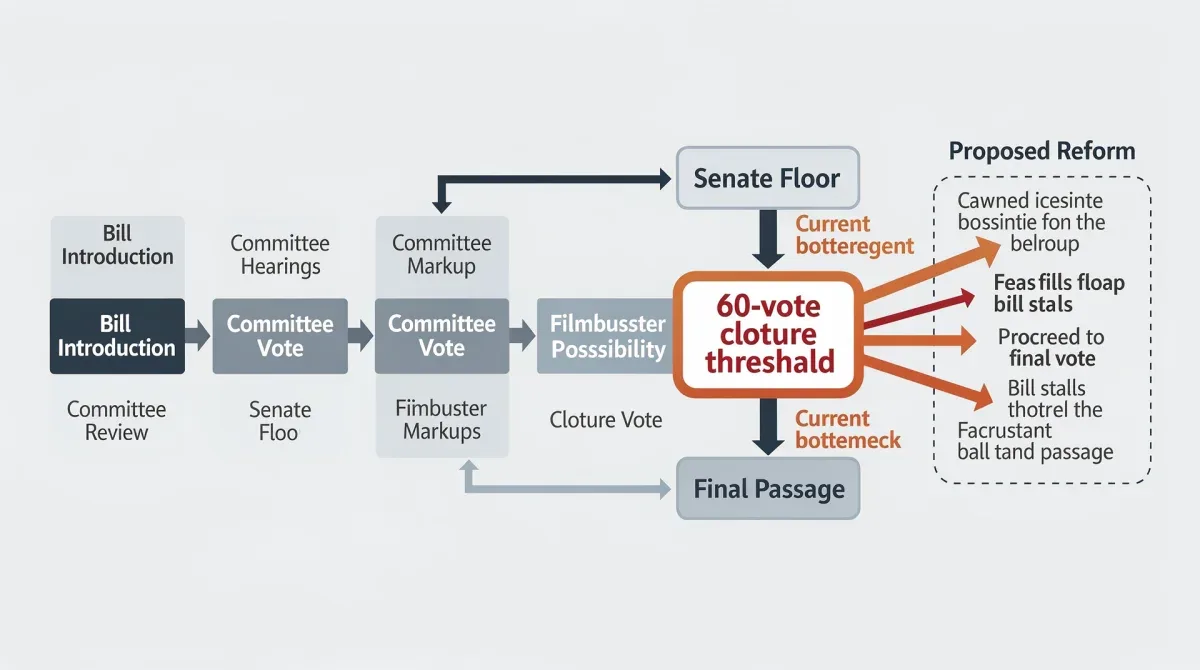
The legislative landscape of 2026 would likely see a rapid push for bills that previously stalled. Areas like climate change, healthcare, and immigration could experience significant policy shifts if the procedural hurdles are lowered.
How Reforms Could Accelerate Policy Passage
A reformed filibuster could allow a majority party to pass its agenda with greater ease, potentially leading to quicker implementation of campaign promises. This could result in more predictable policy outcomes in certain areas.
For instance, if a major environmental bill has 51 Senate votes but currently cannot overcome a filibuster, a reform could clear its path. This would mean faster action on issues deemed critical by the majority.
However, this acceleration could also mean less time for deliberation and compromise, potentially leading to legislation that is less broadly supported or thoroughly vetted. The speed of passage could come at the cost of bipartisan consensus.
Political Dynamics and Bipartisan Cooperation
The debate over 60-vote filibuster reform is deeply intertwined with current political dynamics and the prospects for bipartisan cooperation. The proposals themselves are often viewed through a partisan lens, reflecting the immediate legislative goals of each party.
If reforms make it easier for a simple majority to pass legislation, there might be less incentive for the majority party to seek bipartisan support. This could further entrench partisan divisions and reduce the need for cross-aisle negotiation.
However, proponents argue that the current filibuster already stifles bipartisan efforts by making compromise seem futile when a 60-vote supermajority is always required. They believe reform could, paradoxically, open new avenues for cooperation on less controversial issues.
The political calculus for supporting or opposing 60-vote filibuster reform is complex, with both short-term electoral considerations and long-term institutional impacts at play. Each party weighs how such changes would affect their ability to govern now and in the future.
Impact on Minority Party Influence
A significant concern for the minority party is the potential erosion of its influence if the filibuster is weakened. The 60-vote rule currently provides a powerful check on the majority, forcing them to consider minority viewpoints.
Without this check, the minority might find itself marginalized, with fewer tools to block legislation it deems harmful. This could lead to increased political frustration and a more confrontational legislative environment.
However, some argue that the current system already leads to minority obstruction rather than influence. They suggest that a reformed system could encourage more constructive engagement from the minority, as their focus would shift from blocking to shaping legislation.
Historical Precedents and Future Outlook
Examining historical precedents of Senate rule changes provides valuable insight into the potential trajectory of 60-vote filibuster reform. The Senate has altered its rules before, often in response to perceived legislative inefficiencies or political impasses.
Notable instances include the 1975 change to the cloture rule and more recent uses of the "nuclear option" for judicial and executive branch nominations. These actions demonstrate that Senate rules, while deeply entrenched, are not immutable.
The future outlook for 60-vote filibuster reform remains uncertain, heavily dependent on the political composition of the Senate and the pressing legislative priorities of the moment. The closer the margins in the Senate, the more intense the debate becomes.
As 2026 approaches, the pressure to address major national issues could force renewed attention on these procedural reforms. The appetite for change often increases when a party feels its agenda is being unduly obstructed.
Lessons from Past Filibuster Debates
Past debates over the filibuster have consistently highlighted the tension between efficiency and deliberation. Each reform effort has sought to balance these competing interests, with varying degrees of success.
The "nuclear option" for nominations, while controversial, did streamline the confirmation process for certain positions. This precedent shows that targeted reforms can be effective in addressing specific legislative bottlenecks.
However, these changes often come with political costs, leading to accusations of power grabs and further eroding trust between parties. Any future reform of the 60-vote filibuster will likely face similar challenges and strong opposition.
Public Opinion and Advocacy for Reform
Public opinion plays a significant role in the ongoing debate over 60-vote filibuster reform. As legislative gridlock becomes more apparent, public frustration with the slow pace of government often translates into calls for procedural changes.
Advocacy groups on both sides are actively campaigning, presenting arguments for and against reform. Those supporting reform emphasize the need for a more responsive government that can address urgent national challenges without undue obstruction.
Conversely, groups opposing reform highlight the importance of protecting minority rights and fostering bipartisan compromise. They argue that the filibuster acts as a crucial safeguard against hasty or extreme legislation.
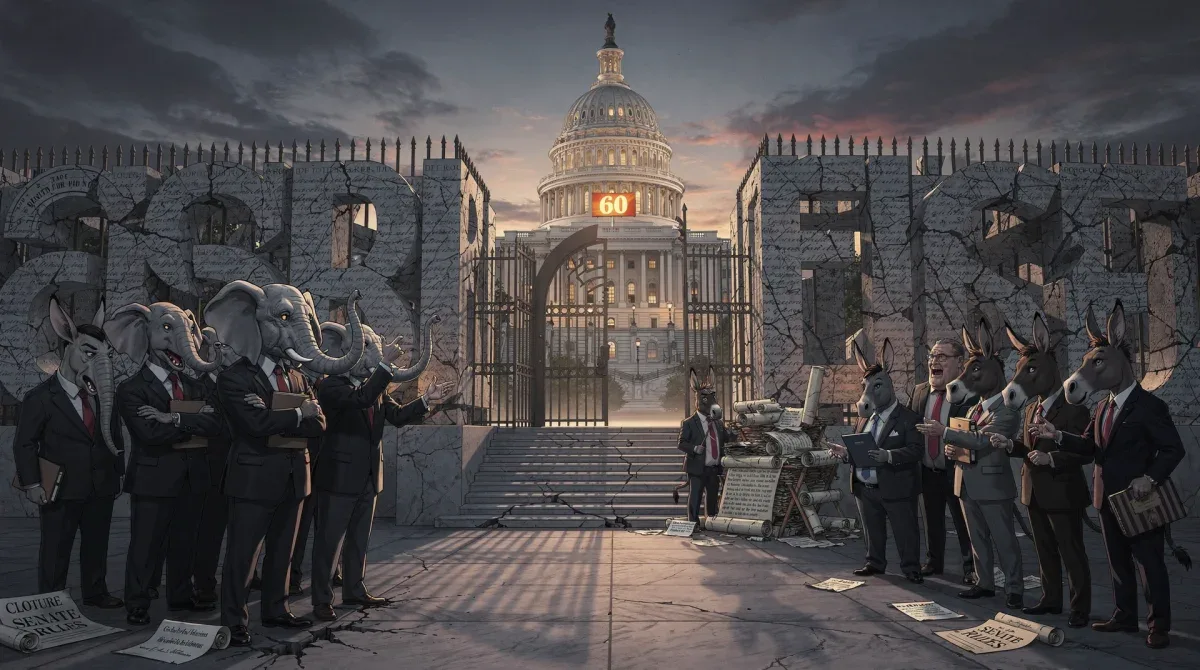
The influence of public sentiment and organized advocacy will likely intensify as 2026 draws closer. Lawmakers often respond to perceived constituent demands, making public engagement a key factor in the reform debate.
Grassroots Movements and Political Pressure
Grassroots movements are mobilizing to exert pressure on senators, urging them to take a stance on 60-vote filibuster reform. These efforts include petitions, protests, and targeted communication campaigns.
Political pressure from within and outside Washington D.C. can significantly influence the legislative agenda. The ability of these movements to frame the debate and rally support will be crucial in determining the fate of reform proposals.
The media also plays a vital role in shaping public understanding and generating momentum for or against reform. Comprehensive and objective reporting on the complexities of the filibuster is essential for an informed public discourse.
Comparative Legislative Systems and Lessons Learned
Examining other legislative systems around the world can offer valuable insights into the potential consequences of 60-vote filibuster reform. Many democratic parliaments operate without a supermajority requirement for most legislation, relying instead on simple majorities.
These comparisons can help inform the debate by showcasing how different procedural rules impact legislative efficiency, minority rights, and overall governmental stability. Lessons from these systems can highlight both advantages and disadvantages of such changes.
For instance, parliamentary systems often experience faster legislative action but can also be prone to more dramatic policy shifts with changes in government. This contrasts with the U.S. system's inherent checks and balances, including the filibuster.
Understanding these comparative models helps to frame the discussion on 60-vote filibuster reform within a broader global context. It allows policymakers to consider a wider range of potential outcomes and adapt best practices where appropriate.
International Models of Legislative Debate
Many countries employ various mechanisms to ensure robust debate while preventing perpetual obstruction. Some utilize time limits for debate, while others have different thresholds for specific types of legislation.
These international models demonstrate that there are multiple ways to balance efficient governance with democratic principles. The U.S. Senate could potentially draw inspiration from these systems for its reform efforts.
However, it is also important to recognize the unique historical and political context of the U.S. Senate. What works in one country may not be directly transferable, requiring careful consideration and adaptation for any proposed reforms.
The Role of the Vice President in Senate Procedures
The Vice President, as President of the Senate, holds a unique position that could become even more critical in the context of 60-vote filibuster reform. Their role in presiding over Senate proceedings and potentially breaking ties can influence legislative outcomes.
In situations where procedural votes are narrowly divided, the Vice President's vote can be decisive, particularly if a simple majority is required for rule changes or to overcome certain parliamentary maneuvers. This power takes on greater significance with filibuster reform.
The Vice President's interpretation of Senate rules and their willingness to engage in or preside over contentious procedural votes could be pivotal. This makes their stance on filibuster reform a key factor to monitor.
Any reform proposals that hinge on procedural votes could elevate the Vice President's role as a key player. Their influence could extend beyond breaking ties to actively shaping the implementation of new Senate rules.
Procedural Authority and Future Implications
The Vice President's procedural authority, though often behind the scenes, can be a potent force. Their rulings on points of order can set precedents or facilitate changes to how the Senate operates.
If the Senate considers a "nuclear option" to change filibuster rules, the Vice President's role in affirming or denying a parliamentary maneuver would be central. This would directly impact the path to 60-vote filibuster reform.
Therefore, any discussions about what the new 60-vote filibuster reform proposals mean for federal legislation in 2026 must also account for the Vice President's potential influence in the process. Their actions could significantly shape the outcome.
| Key Point | Brief Description |
|---|---|
| Current Filibuster | Requires 60 votes to end debate, leading to legislative gridlock. |
| Reform Proposals | Include 'talking filibuster,' lower thresholds, or specific exemptions. |
| Impact on 2026 | Could accelerate policy passage or intensify partisan divisions. |
| Political Dynamics | Reforms deeply tied to party power and prospects for bipartisan cooperation. |
Frequently Asked Questions About Filibuster Reform
What is the core issue with the current 60-vote filibuster?▼The primary issue is that it allows a minority of 41 senators to block most legislation, even if a simple majority supports it. This often leads to legislative stagnation and prevents bills from coming to a final vote, impacting critical federal legislation.
How would a 'talking filibuster' work under new proposals?▼A 'talking filibuster' would require senators to continuously speak on the Senate floor to maintain their obstruction. This reform aims to make it more physically demanding to block legislation, potentially limiting its use compared to the current system.
What federal legislation could be most affected by these reforms in 2026?▼Legislation on highly partisan issues such as voting rights, climate change, healthcare, and immigration could be significantly affected. Reforms could make it easier to pass bills in these areas if a simple majority supports them, altering the 2026 legislative outlook.
Are there historical precedents for changing the filibuster rules?▼Yes, the Senate has modified its rules multiple times, notably in 1975 when the cloture threshold was lowered to 60 votes. More recently, the 'nuclear option' was used to eliminate the filibuster for judicial and executive branch nominations, setting a precedent for procedural changes.
What are the main arguments against 60-vote filibuster reform?▼Opponents argue that the filibuster protects minority rights, encourages bipartisan compromise, and prevents the majority from passing extreme legislation. They fear that reform could lead to a 'tyranny of the majority' and further polarize the Senate.
Looking Ahead: The Future of Senate Legislation
The debate surrounding 60-vote filibuster reform is more than just a procedural discussion; it's about the fundamental nature of federal legislation and governance in the United States. As 2026 approaches, the potential for significant changes to Senate rules could redefine how laws are made, impacting every aspect of American life. Stakeholders must continue to monitor developments closely, as any shift in the 60-vote filibuster could usher in a new era of legislative activity or, conversely, intensify partisan battles.