2026 Congressional Budget Showdown: Key Spending Battles Ahead
Advertisements
The 2026 Congressional Budget Showdown is intensifying, with critical discretionary spending battles emerging. This analysis provides an objective overview of the key fiscal challenges and political dynamics. Readers will understand the stakes and what to expect as Congress navigates these crucial financial decisions.
Inside the 2026 Congressional Budget Showdown: 4 Key Discretionary Spending Battles Ahead is now front and center, shaping the nation's fiscal future. As the federal government approaches the 2026 fiscal year, lawmakers face immense pressure to reconcile competing priorities. This intricate process involves profound choices that will impact every American, setting the stage for significant policy shifts and political maneuvering.
The upcoming budget cycle is poised to be particularly contentious, driven by existing fiscal constraints and divergent ideological stances. Understanding the core of these debates is essential to grasp the trajectory of federal spending and its implications. This report delves into the critical discretionary spending battles that define the 2026 Congressional Budget Showdown, offering context and verified analysis.
Policymakers must navigate a complex landscape of economic realities and public demands, making decisions that will echo for years. The stakes are exceptionally high, as these spending choices will determine funding for vital services, national security, and economic development. The political will and strategic negotiations during the 2026 Congressional Budget Showdown will ultimately dictate the nation’s fiscal health.
Understanding the 2026 Congressional Budget Showdown Dynamics
The 2026 Congressional Budget Showdown is characterized by a confluence of factors, including persistent inflation, growing national debt, and upcoming election cycles. These elements collectively amplify the pressure on lawmakers to make difficult fiscal choices. The current economic climate necessitates careful consideration of every dollar spent, making the negotiations even more arduous.
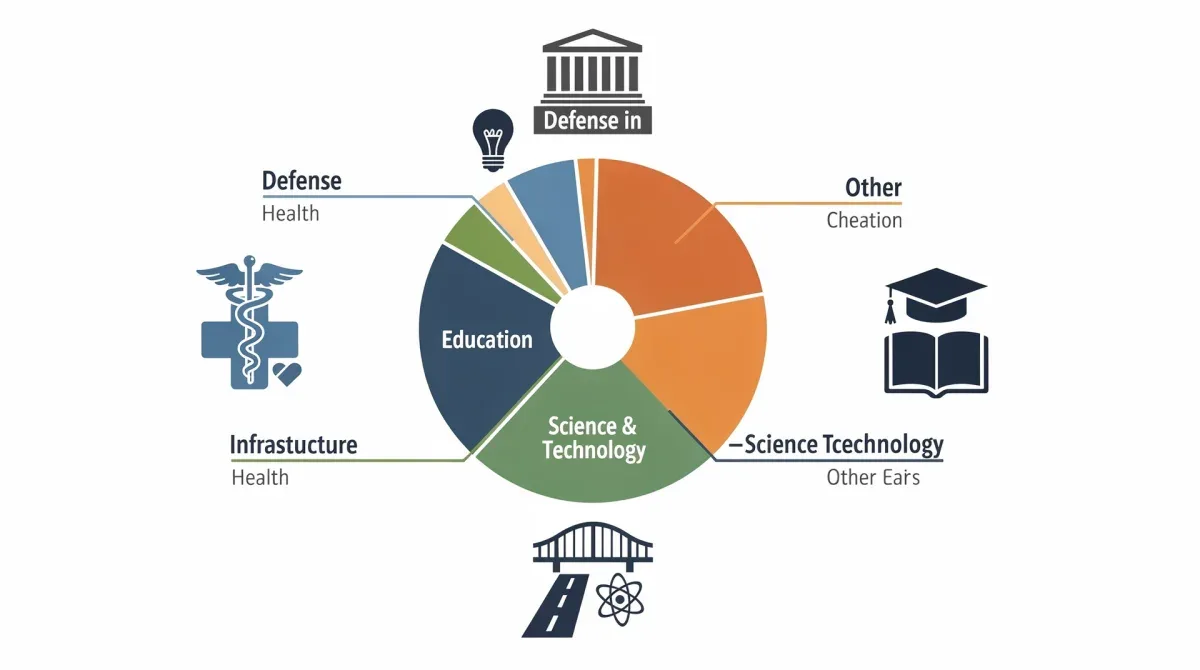
Discretionary spending, which Congress allocates annually, is a primary battleground in these budget discussions. Unlike mandatory spending, which is dictated by existing laws, discretionary funds are subject to yearly appropriations, offering a direct lever for policy changes. This flexibility makes it a focal point for both parties, eager to imprint their priorities on federal outlays.
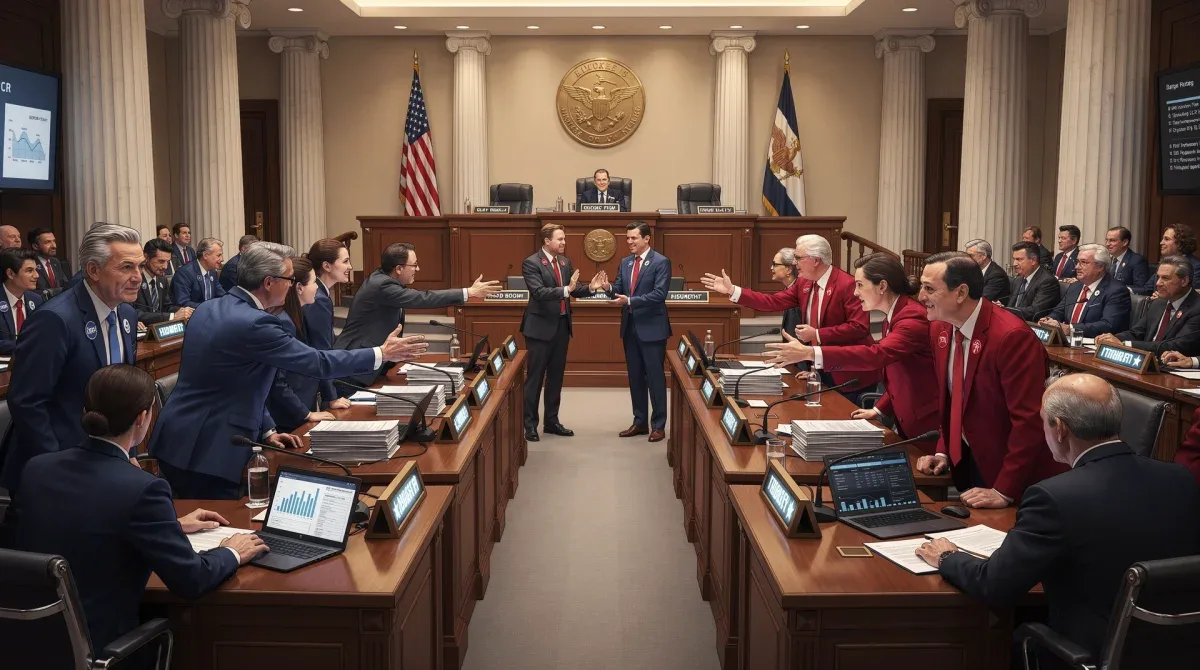
The political landscape further complicates the 2026 Congressional Budget Showdown. With a divided Congress, reaching bipartisan consensus on spending levels and allocations will demand extensive negotiation and compromise. Each party enters these discussions with distinct agendas, setting the stage for intense debates and potential stalemates that could impact government operations.
Key Players and Their Stances
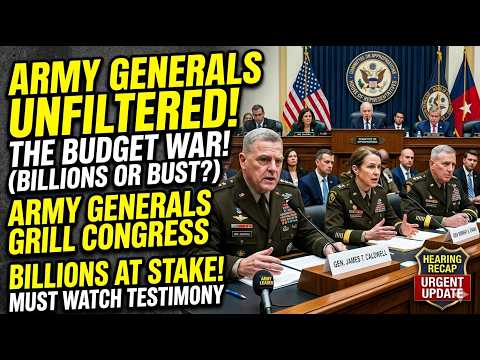
Several key players will dominate discussions during the 2026 Congressional Budget Showdown. The White House, congressional leadership from both the House and Senate, and powerful committee chairs will each bring their specific priorities and political leverage to the table. Their ability to forge alliances and secure votes will be paramount in determining the budget's final shape.
Democrats generally advocate for increased investment in social programs, climate initiatives, and infrastructure, often seeking to protect or expand funding for these areas. Republicans, conversely, typically prioritize fiscal restraint, reduced government spending, and a strong national defense, aiming to curb the national debt and limit federal intervention. These ideological differences form the bedrock of the upcoming battles.
- The President's budget proposal sets the initial tone and outlines executive branch priorities.
- House and Senate Appropriations Committees draft the actual spending bills, reflecting legislative priorities.
- Party leaders engage in high-level negotiations to bridge divides and secure necessary votes.
- Lobbying groups and advocacy organizations exert influence, representing diverse interests in the budget process.
Defense Spending: A Perennial Point of Contention
Defense spending consistently emerges as a significant point of contention within any budget debate, and the 2026 Congressional Budget Showdown is no exception. Advocates for robust military funding emphasize national security threats, global stability, and technological superiority, arguing for sustained or increased investment. They point to geopolitical uncertainties and the need to maintain a competitive edge against potential adversaries.
Conversely, critics often argue for reallocating defense funds to domestic programs, citing inefficiencies, cost overruns, or a perceived overemphasis on military solutions, freeing up resources for social services, education, or healthcare. This perennial debate highlights the tension between national security imperatives and domestic needs.
The balance struck on defense spending will have profound implications for both the military-industrial complex and other sectors of the economy. Decisions made during the 2026 Congressional Budget Showdown will influence job creation, technological innovation, and the nation's strategic posture on the global stage. This makes it a critical area of focus for all stakeholders involved in the budget process.
Modernization vs. Readiness
Within defense spending, a major internal debate often revolves around modernization versus readiness. Modernization efforts focus on developing and acquiring next-generation weapons systems, aircraft, and naval vessels to ensure long-term technological superiority. These investments are crucial for maintaining a future-ready military capable of addressing evolving threats.
Readiness, on the other hand, emphasizes maintaining current forces, equipment, and training to ensure immediate operational capability. This includes funding for personnel, maintenance, spare parts, and training exercises. A strong readiness posture ensures that the military can respond effectively to present-day crises and fulfill its ongoing missions around the world.
- Funding for advanced fighter jets and naval vessels versus maintaining existing fleets.
- Investment in cybersecurity and AI capabilities versus troop training and equipment upkeep.
- Balancing long-term strategic investments with immediate operational requirements.
- Impact of global conflicts on shifting priorities between modernization and readiness.
Social Programs: Protecting the Safety Net
The allocation for social programs represents another critical battleground in the 2026 Congressional Budget Showdown. These programs, which include initiatives related to healthcare, housing assistance, food security, and unemployment benefits, form a vital safety net for millions of Americans. Advocates argue that maintaining or expanding these services is a moral imperative and crucial for societal well-being.
Progressive lawmakers and advocacy groups will push strongly to protect these essential programs from cuts, highlighting their role in reducing poverty and inequality. They often cite data demonstrating the effectiveness of these interventions in supporting vulnerable populations and promoting economic stability for families. The human impact of these spending decisions cannot be overstated.
Conversely, fiscal conservatives often seek to reform or reduce spending on social programs, arguing for greater efficiency, stricter eligibility requirements, or a reduced federal role. They might emphasize the need to control entitlement spending and limit the growth of government assistance. This fundamental disagreement will fuel intense debates during the 2026 Congressional Budget Showdown, reflecting differing philosophies on government's role in society.
Healthcare Funding and Access
Healthcare funding, particularly for discretionary programs, is a central component of the social programs debate. This includes funding for public health initiatives, medical research, and grants to states for healthcare services. Decisions here directly impact access to care, disease prevention efforts, and advancements in medical science across the nation.
Lawmakers will debate the appropriate level of federal support for agencies like the National Institutes of Health (NIH) and the Centers for Disease Control and Prevention (CDC). These agencies play crucial roles in addressing public health crises and improving population health outcomes. The scope of their funding will be a key determinant of future health policy during the 2026 Congressional Budget Showdown.
The discussion also extends to programs that support community health centers and mental health services, which are critical for underserved populations. The decisions made regarding these discretionary health expenditures will have tangible effects on millions of Americans, influencing the availability and quality of essential healthcare services. This makes it a highly sensitive and politically charged topic.
Education and Research: Investing in the Future
Funding for education and scientific research is another pivotal area within the 2026 Congressional Budget Showdown. Proponents argue that robust investment in these sectors is fundamental for long-term economic growth, global competitiveness, and national innovation. They emphasize that a well-educated workforce and cutting-edge research are cornerstones of a prosperous society.
Discretionary spending here impacts K-12 education programs, higher education grants, and federal funding for scientific agencies like the National Science Foundation (NSF) and NASA. These investments foster human capital development, drive technological advancements, and address critical societal challenges. The scope of this funding will shape the intellectual landscape of the United States for decades.
Conversely, those advocating for spending cuts may target these areas, arguing for greater state or private sector responsibility, or questioning the efficiency of certain federal programs. Balancing the immediate fiscal pressures with the long-term benefits of education and research will be a central challenge. The outcomes of the 2026 Congressional Budget Showdown in this area will define future opportunities for American students and scientists.
STEM Initiatives and Grant Programs
Within education and research, specific attention will be paid to STEM (Science, Technology, Engineering, and Mathematics) initiatives. These programs are designed to strengthen the nation's pipeline of scientists and engineers, crucial for maintaining innovation leadership. Funding decisions here will impact university research labs, STEM scholarship programs, and K-12 STEM curricula.
Federal grant programs, which support a wide array of academic and scientific endeavors, will also be under scrutiny. These grants often serve as catalysts for groundbreaking discoveries and the development of new technologies. The level of funding for these programs directly influences the pace of scientific advancement and the nation's capacity to address complex challenges.
The debate will likely focus on the return on investment for these federal expenditures, with proponents highlighting economic benefits and critics questioning the allocation. Ensuring that these investments are targeted and effective will be a key consideration for lawmakers navigating the 2026 Congressional Budget Showdown. The future of American innovation hinges on these decisions.
Infrastructure and Environment: Modernizing America
The 2026 Congressional Budget Showdown will also feature significant battles over funding for infrastructure and environmental protection. Investments in infrastructure—roads, bridges, public transit, broadband—are seen as critical for economic efficiency, job creation, and improving the quality of life for citizens. Modernizing America's aging infrastructure is a bipartisan goal, but the scale and funding mechanisms remain contentious.
Environmental programs, including those addressing climate change, conservation, and pollution control, are equally vital for public health and ecological sustainability. Agencies like the Environmental Protection Agency (EPA) rely on discretionary funding to implement regulations, conduct research, and support state-level initiatives. The extent of these investments reflects the nation's commitment to environmental stewardship.
These spending areas often face trade-offs, with debates over the balance between economic development and environmental protection. Finding common ground on how much to spend and where to direct funds will be a significant challenge during the 2026 Congressional Budget Showdown. The decisions made will impact everything from daily commutes to the long-term health of our planet.
Climate Initiatives and Renewable Energy
Within the environmental category, climate initiatives and renewable energy programs are particularly sensitive. These programs aim to reduce greenhouse gas emissions, promote clean energy technologies, and build resilience to climate impacts. Democrats typically advocate for aggressive investment in these areas, viewing them as essential for mitigating climate change and fostering a green economy.
Republicans, while often acknowledging the need for energy independence, may express concerns about the cost of these initiatives, their impact on traditional energy sectors, or the efficacy of certain federal programs. They might favor market-based solutions or a more gradual transition. This ideological split makes these programs a recurring flashpoint in budget negotiations.
- Funding for electric vehicle charging infrastructure and renewable energy tax credits.
- Investment in climate research and adaptation strategies for coastal communities.
- Debates over fossil fuel subsidies versus incentives for clean energy development.
- The role of federal agencies in enforcing environmental regulations and conservation efforts.
| Key Spending Area | Brief Description |
|---|---|
| Defense Spending | Debates over military modernization vs. readiness and overall national security funding. |
| Social Programs | Funding for healthcare, housing, and food security programs, impacting vulnerable populations. |
| Education & Research | Investments in K-12, higher education, and scientific research for future growth and innovation. |
| Infrastructure & Environment | Funding for critical infrastructure projects and environmental protection, including climate initiatives. |
Frequently Asked Questions About the 2026 Congressional Budget Showdown
What is discretionary spending in the context of the 2026 Congressional Budget Showdown?▼Discretionary spending refers to the portion of the federal budget that Congress allocates annually through appropriations bills. Unlike mandatory spending, which is set by existing laws, discretionary funds are subject to yearly decisions. This makes it a key area for negotiation and policy changes during the 2026 Congressional Budget Showdown.
Why is the 2026 Congressional Budget Showdown expected to be contentious?▼The 2026 Congressional Budget Showdown is expected to be contentious due to a combination of factors including high national debt, persistent inflation, and a divided Congress. Divergent priorities between political parties on areas like defense, social programs, and environmental initiatives will fuel intense debates and complicate efforts to reach consensus.
How will defense spending be debated in the 2026 Congressional Budget Showdown?▼Defense spending will be debated primarily between advocates for modernization and those prioritizing readiness. Discussions will cover funding for new weapons systems versus maintaining existing forces, and the overall level of investment in national security. This balance is critical for the nation's strategic posture during the 2026 Congressional Budget Showdown.
What impact will the budget decisions have on social programs?▼Decisions during the 2026 Congressional Budget Showdown will directly affect funding for vital social programs such as healthcare, housing, and food assistance. Lawmakers will weigh the need to maintain a social safety net against calls for fiscal restraint. The outcomes will significantly impact vulnerable populations and the provision of essential services.
What role does infrastructure funding play in the 2026 Congressional Budget Showdown?▼Infrastructure funding is crucial in the 2026 Congressional Budget Showdown, covering investments in roads, bridges, public transit, and broadband. While modernizing infrastructure is broadly supported, debates will focus on the scale of investment and funding mechanisms. These decisions are vital for economic efficiency, job creation, and overall national development.
Looking Ahead: Implications of the 2026 Congressional Budget Showdown
The 2026 Congressional Budget Showdown is more than just an annual fiscal exercise; it is a critical juncture that will define policy priorities and resource allocation for the foreseeable future. The outcomes of these four key discretionary spending battles—defense, social programs, education/research, and infrastructure/environment—will resonate across all sectors of American society. Stakeholders must closely monitor the negotiations, as compromises and breakthroughs will directly impact various industries, communities, and individual citizens.
The ability of Congress to navigate these complex fiscal waters will be a testament to its capacity for bipartisan cooperation in a highly polarized environment. Failure to reach timely agreements could lead to government shutdowns or continued reliance on stopgap measures, creating uncertainty and hindering federal operations. The political ramifications of the 2026 Congressional Budget Showdown will also set the tone for future election cycles, with voters closely watching how their representatives address national fiscal challenges.
Ultimately, the decisions made during the 2026 Congressional Budget Showdown will reflect the nation's values and its strategic vision for the coming years. From national security to social welfare, and from innovation to environmental sustainability, the budget will serve as a blueprint for America's path forward. The ongoing developments demand informed attention to understand the evolving landscape of U.S. politics and policy.