Tracking 12 Pivotal House Seats: Congressional Control 2026
Advertisements
Latest developments on Tracking 12 Pivotal House Seats That Will Decide Congressional Control in November 2026, with key facts, verified sources and what readers need to monitor next in the United States, presented clearly in American English.
Tracking 12 Pivotal House Seats That Will Decide Congressional Control in November 2026 is shaping today’s agenda with new details released by political strategists and campaign organizations. This update prioritizes what changed, why it matters, and what to watch next, in a straightforward news format.
The battle for the House of Representatives in 2026 is already underway, with both major parties meticulously analyzing districts that could swing control. Understanding these key races is paramount for anyone following U.S. politics.
The Stakes: Why These 12 Seats Matter
The balance of power in the House of Representatives directly impacts legislative priorities, committee assignments, and the ability of either party to advance its agenda. A shift of even a few seats can dramatically alter the political landscape.
These 12 districts represent a microcosm of national political trends, voter sentiment, and the effectiveness of campaign strategies. Their outcomes will serve as a critical barometer for the broader political environment.
Both Democratic and Republican parties are pouring significant resources into these targeted races, recognizing their outsized importance. The path to a majority runs directly through these competitive battlegrounds.
Defining the Battleground: Identifying Key Districts
Analysts identify these 12 pivotal districts based on several factors, including historical voting patterns, demographic shifts, fundraising totals, and the incumbent's vulnerability. These are often districts that voted narrowly in previous cycles or where a popular incumbent is retiring.
The districts span various states, reflecting diverse regional issues and voter bases. From suburban swing areas to rural communities, each seat presents unique challenges and opportunities for candidates.
Understanding the specific dynamics of each of these 12 seats is crucial for comprehending the overall electoral strategy. It is not merely a numbers game, but a complex interplay of local and national influences.
Economic Undercurrents and Voter Sentiment
Economic conditions consistently play a significant role in voter behavior, and the 2026 elections will be no exception. Inflation, employment rates, and consumer confidence will undoubtedly influence how voters perceive the incumbent party and challengers.
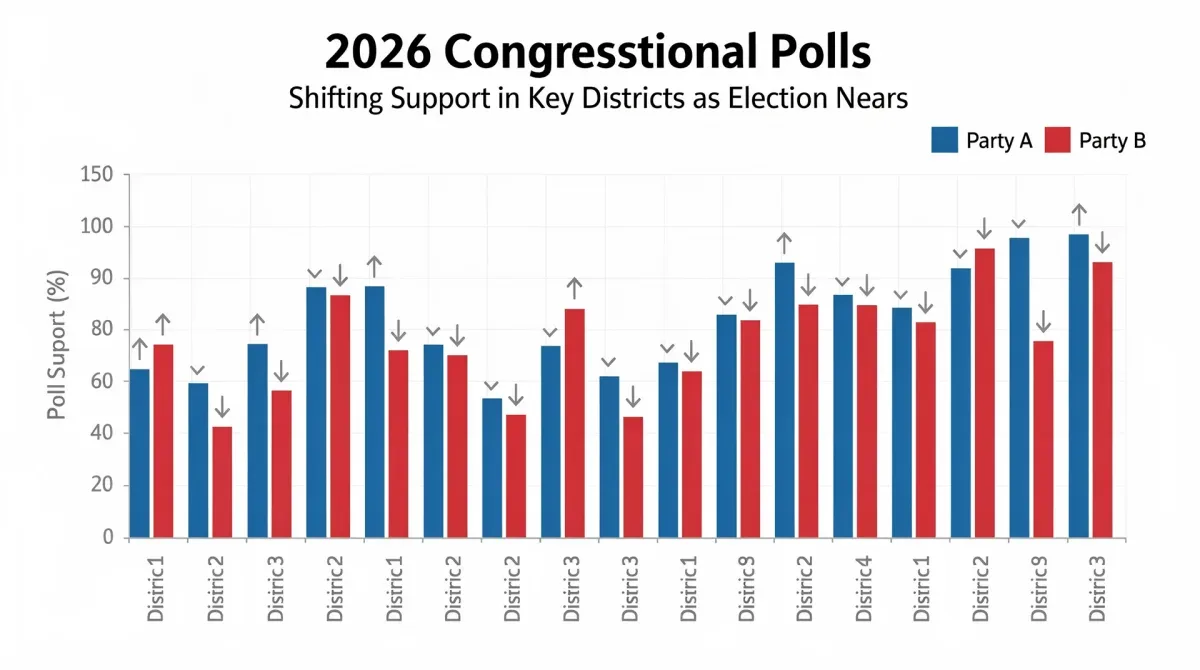
Polling data indicates that pocketbook issues remain top-of-mind for many Americans across various demographics. Candidates in these pivotal races are already tailoring their messages to address these concerns directly.

How the economy performs over the next two years will likely be a dominant narrative. Its impact on Tracking 12 Pivotal House Seats That Will Decide Congressional Control in November 2026 cannot be overstated.
Inflation's Shadow: A Persistent Concern
- Rising costs for everyday goods and services continue to be a major worry for households.
- Candidates are focusing on solutions to ease financial burdens, such as tax relief or reduced spending.
- Voter frustration over economic stability could lead to significant shifts in voting patterns.
The perception of economic management will be a critical differentiator between candidates. Voters will scrutinize track records and proposed policies closely.
Labor Market Trends: Impact on Local Races
Employment figures and wage growth are also key indicators influencing voter sentiment in many districts. Strong local economies can bolster incumbents, while stagnant conditions may favor challengers.
Candidates are highlighting job creation initiatives and workforce development programs to appeal to working-class voters. The localized impact of national economic policies will be a frequent campaign talking point.
Understanding these granular economic conditions is vital for accurately assessing the competitiveness of each of the 12 pivotal seats. National averages often mask crucial regional variations.
Candidate Quality and Campaign Strategies
The caliber of candidates running in these 12 pivotal districts often makes a significant difference, irrespective of broader political winds. Charisma, policy positions, and local roots can resonate deeply with voters.
Both parties are actively recruiting strong candidates, recognizing that a compelling individual can sometimes defy unfavorable political currents. Endorsements and fundraising capabilities are also crucial indicators of candidate strength.
Effective campaign strategies, including grassroots organizing, digital outreach, and targeted advertising, will be essential for mobilizing voters. The ground game in these races will be intense.
Messaging and Narrative Control
Campaigns in these key districts are meticulously crafting messages designed to appeal to specific voter blocs while avoiding alienating others. The ability to control the narrative surrounding key issues is paramount.
Candidates are focusing on local issues that directly impact their constituents, alongside broader national themes. The art of balancing local concerns with party platforms is a delicate one.
The media landscape, including traditional news outlets and social media, will be a battleground for shaping public perception. Disinformation and rapid response strategies will be prevalent.

Demographic Shifts and Electoral Coalitions
Demographic changes within these 12 pivotal districts are constantly reshaping electoral maps. Understanding shifts in population, age, race, and education levels is critical for both parties.
These demographic trends influence which issues resonate most with voters and how campaigns allocate their resources. Building diverse and robust electoral coalitions is a key objective.
Both parties are keenly aware of the evolving electorate and are adapting their outreach efforts accordingly. The future of congressional control hinges on successfully navigating these demographic currents.
Suburban Swings: A Key Indicator
- Suburban voters, particularly women, often act as swing voters in competitive districts.
- Issues like education, healthcare, and public safety are frequently decisive in these areas.
- Candidates are investing heavily in understanding and appealing to suburban concerns.
The ability to win over these suburban voters will be a major factor in Tracking 12 Pivotal House Seats That Will Decide Congressional Control in November 2026. Their preferences can often dictate the outcome.
Youth Vote and Minority Turnout
Mobilizing young voters and increasing turnout among minority groups are strategic priorities for many campaigns. These demographics can provide crucial margins in close contests.
Campaigns are employing targeted outreach methods, including digital platforms and community organizing, to engage these vital segments of the electorate. Registration drives are also a focus.
The success of these efforts will significantly impact the final results in several of the pivotal seats. Their participation levels are closely watched by strategists.
National Political Climate and Presidential Influence
The broader national political climate, including the approval ratings of the President and the general mood of the country, will exert considerable influence on these House races. Midterm elections often serve as a referendum on the party in power.
Presidential endorsements, campaign appearances, and policy initiatives can either boost or hinder candidates in competitive districts. The coattail effect, or lack thereof, is a constant consideration.
Voters' perceptions of national leadership and overall governmental performance will inevitably filter down to local races. This national context is an unavoidable backdrop for these contests.
Party Brand and Candidate Alignment
The national brand of each political party, including its core ideologies and recent policy decisions, plays a significant role in how candidates are perceived. Alignment with party principles is often a double-edged sword.
Candidates in swing districts often attempt to differentiate themselves from the more extreme elements of their parties, focusing on moderate positions. This strategic positioning is crucial for broad appeal.
How candidates navigate their party affiliations while appealing to independent voters will be a critical test of their political acumen. It's a delicate balance to maintain.

Fundraising and External Spending
The financial resources available to campaigns and external groups will be a major determinant in the competitiveness of these 12 pivotal House seats. Money funds advertising, staffing, and voter outreach.
Both parties and their affiliated Super PACs are expected to spend tens of millions of dollars in these key districts. The ability to raise funds quickly and efficiently is a critical campaign metric.
Tracking the flow of money into these races provides valuable insight into which seats are considered most vulnerable or most winnable. It reflects the strategic priorities of national parties.
Grassroots vs. Big Donors
While large contributions from wealthy donors and corporations remain vital, the importance of small-dollar grassroots fundraising has grown significantly. It signals broad enthusiasm and volunteer support.
Campaigns that can effectively tap into both sources of funding tend to be more resilient and able to sustain robust operations. A diverse funding base is often a sign of strength.
The interplay between grassroots energy and institutional funding will be fascinating to watch in these crucial races. Both are essential for a successful campaign.
Historical Context and Predictive Models
Analyzing historical election data from these districts provides valuable context for understanding current trends. Past performance often offers clues about potential future outcomes, though it's not a guarantee.
Political scientists and campaign strategists use sophisticated predictive models that incorporate various data points, including polling, demographics, and economic indicators. These models help identify vulnerabilities and opportunities.
While models are not infallible, they offer a data-driven approach to understanding the complex dynamics at play. They are a key tool in Tracking 12 Pivotal House Seats That Will Decide Congressional Control in November 2026.
Lessons from Previous Cycles
- Examining how these districts voted in past presidential and midterm elections reveals underlying partisan leanings.
- Understanding the impact of previous incumbents and their electoral margins provides a baseline.
- Changes in voter registration and participation rates offer insights into evolving electorates.
Each election cycle offers new lessons, and campaigns are constantly refining their strategies based on past experiences. Adaptability is crucial in the ever-changing political landscape.
The Role of Local Issues and Community Engagement
Beyond national headlines, local issues often resonate most deeply with voters and can swing elections in tight races. Concerns such as infrastructure, local development, and community services frequently dominate discussions.
Effective candidates demonstrate a strong understanding of and commitment to addressing these specific community needs. Genuine engagement with local residents builds trust and credibility.
Town halls, community events, and direct constituent outreach are vital for connecting with voters on a personal level. These interactions can be more impactful than broad national advertising.
Grassroots Organizing and Voter Mobilization
The success of grassroots efforts, including door-to-door canvassing and volunteer phone banking, is paramount in competitive districts. These activities ensure that supporters turn out on Election Day.
Campaigns invest heavily in identifying and mobilizing their base voters, as well as persuading undecided individuals. The strength of a campaign's ground game can often be the difference between victory and defeat.
Community leaders and local organizations also play a crucial role in amplifying messages and encouraging participation. Their influence within specific neighborhoods is invaluable.
| Key Factor | Impact on Races |
|---|---|
| Economic Conditions | Inflation and employment rates significantly sway voter sentiment. |
| Candidate Quality | Strong, locally connected candidates can outperform national trends. |
| National Climate | Presidential approval and party brand influence local race outcomes. |
| Fundraising Power | Financial resources enable extensive voter outreach and advertising. |
Frequently Asked Questions About 2026 House Races
What makes a House seat "pivotal"?▼A House seat is considered pivotal if its outcome is highly uncertain and could directly influence which party holds the majority in the U.S. House of Representatives. These seats often have narrow margins in previous elections or feature open contests with no incumbent.
How many House seats are typically considered swing seats?▼While the number fluctuates each cycle, there are usually between 20 to 40 truly competitive House seats at any given time. This article focuses on a subset of 12 that are most critical for determining overall control in 2026.
What factors influence these pivotal races?▼Key factors include the national political climate, economic conditions, candidate quality, fundraising, demographic shifts within the district, and the effectiveness of campaign strategies. Local issues also play a significant role in voter decisions.
When will we know the true impact of these races?▼The full impact will become clear on Election Night in November 2026, as results from these specific districts are tallied. However, polling and expert analysis throughout the campaign will provide strong indications of potential outcomes.
How can citizens stay informed about these races?▼Citizens can stay informed by following reputable news sources, reviewing non-partisan election analysis, checking campaign websites, and attending local candidate events. Understanding the nuances of each race is key to informed participation.
Looking Ahead
The process of Tracking 12 Pivotal House Seats That Will Decide Congressional Control in November 2026 will intensify as the election cycle progresses, with each development offering new insights. Voters, strategists, and analysts will closely monitor shifts in polling, campaign messaging, and external spending. The ultimate outcome in these key districts will not only determine the balance of power in Washington but also reflect the evolving priorities and concerns of the American electorate, setting the stage for future political battles.