Supreme Court Docket: Key Cases That Could Reshape U.S
Advertisements
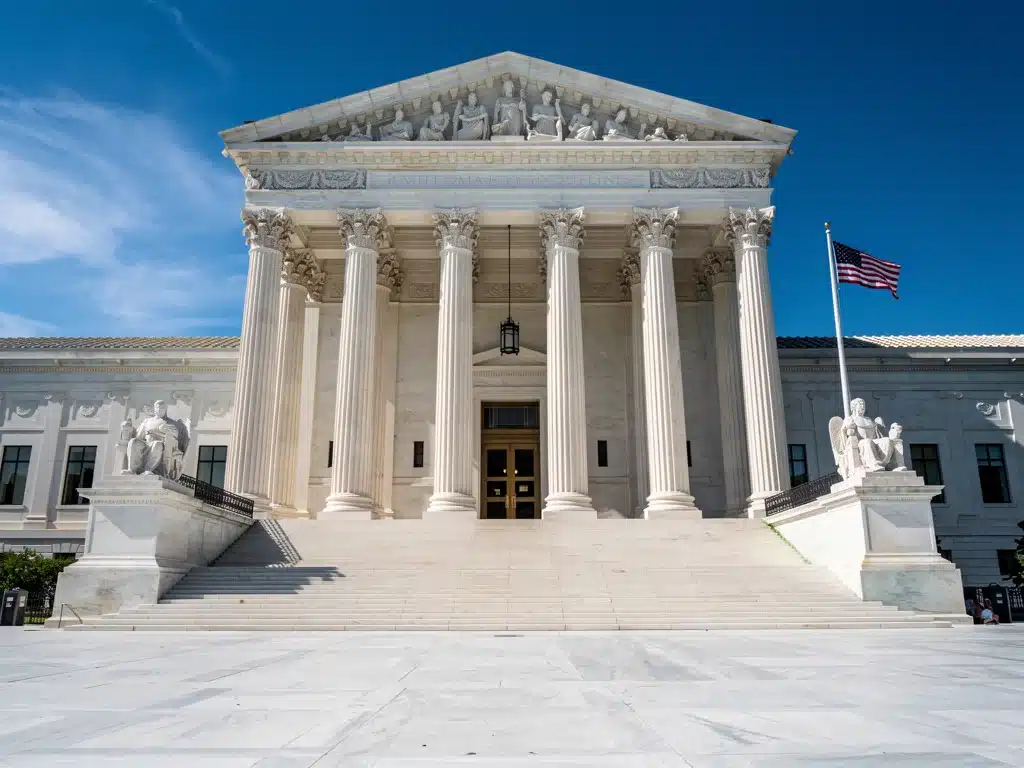
The United States Supreme Court docket is entering a consequential 2026-2027 term, with cases already granted on gun rights, voting rules, LGBT protections, immigration detention and major business disputes.
The update matters because the Court’s next decisions could reshape constitutional rights, federal power, state authority and corporate regulation. Official docket and orders pages remain the key source for tracking grants, schedules and new filings.
Readers should monitor the Court’s granted cases list, orders, oral argument calendar and emergency applications. The biggest questions are which disputes receive review next and how quickly rulings begin shifting legal standards nationwide.
Anticipating the Next Term: A Glimpse into the 2026 Supreme Court Docket
The United States Supreme Court annual docket consistently captures national attention, but the 2026 term is already generating significant buzz among legal scholars, policy makers, and the public.
Early indications suggest a lineup of cases with profound implications, potentially altering the landscape of American law in areas ranging from civil liberties to federal authority.
As the Court prepares to deliberate, understanding the potential scope and impact of these cases becomes paramount for anyone invested in the future of the nation’s legal framework.
The Evolving Landscape of Constitutional Rights
One of the most closely watched areas on the 2026 Supreme Court Docket will undoubtedly be cases touching upon fundamental constitutional rights. These disputes often lead to landmark decisions that redefine protections and limitations for individuals across the country.
The Court’s composition and its recent history suggest a willingness to revisit established precedents, making the upcoming term particularly unpredictable and significant.
Citizens and legal experts alike are bracing for rulings that could reshape daily life and societal norms for generations to come.
First Amendment Freedoms Under Scrutiny
Several cases expected to reach the 2026 Supreme Court Docket involve the First Amendment, specifically concerning freedom of speech and religion. These cases often pit individual rights against governmental interests or competing societal values.
The Court will likely grapple with how these freedoms apply in the digital age, within educational institutions, and in the context of business operations.
- Defining the boundaries of online speech and content moderation.
- Interpreting religious exemptions in public accommodations and employment.
- Balancing free expression with anti-discrimination laws.
These decisions could significantly impact how individuals communicate, worship, and interact within public and private spheres, setting new standards for expressive conduct.
Fourth Amendment Protections and Digital Privacy
Another critical area on the 2026 Supreme Court Docket involves the Fourth Amendment, particularly as technology continues to advance rapidly. The intersection of digital data, surveillance, and individual privacy rights presents complex legal challenges.
The Court will consider how existing constitutional protections against unreasonable searches and seizures apply to contemporary digital devices and vast data collection practices.
Rulings in these areas will have direct consequences for law enforcement agencies, tech companies, and the privacy expectations of every American citizen.
The balance between national security, public safety, and individual privacy remains a contentious debate, and the Court’s pronouncements will largely shape future policy.
Federal Power Versus State Sovereignty on the 2026 Supreme Court Docket
The perennial tension between federal power and state sovereignty is a recurring theme before the Supreme Court, and the 2026 Supreme Court Docket is expected to feature several cases that could re-calibrate this delicate balance.
These cases often involve challenges to federal mandates, regulatory authority, or the extent to which states can independently legislate on matters of national concern.
The outcomes will have profound implications for governance structures, impacting everything from environmental regulations to healthcare policies across the United States.
Challenges to Federal Regulatory Authority
A significant portion of the 2026 Supreme Court Docket will likely address challenges to the scope of federal regulatory agencies.
Litigants frequently contest the authority of bodies like the Environmental Protection Agency or the Food and Drug Administration.
These cases often revolve around interpretations of the Administrative Procedure Act and the Chevron deference doctrine, which guides judicial review of agency decisions.
- Reviewing agency interpretations of broad statutory language.
- Limiting or expanding the power of federal agencies to issue regulations.
- Assessing the constitutionality of agency enforcement mechanisms.
Decisions here could either bolster or significantly curtail the federal government’s ability to implement national policy through its various administrative arms.
State Autonomy in Key Policy Areas
Conversely, the 2026 Supreme Court Docket will also hear cases where states assert their autonomy against federal intervention. These often arise in areas where state laws diverge significantly from federal stances or from policies adopted by other states.
Issues such as immigration enforcement, voting rights, and even certain economic regulations could see states pushing back against perceived federal overreach.
The Court’s rulings will help define the permissible boundaries of state action and the extent to which states can chart their own course on critical policy matters.
Economic and Business Law Cases to Watch
Beyond constitutional rights and federalism, the 2026 Supreme Court Docket will also feature cases with direct implications for the nation’s economy and business practices. These decisions can affect industries, consumer protections, and the overall economic climate.
From antitrust issues to intellectual property disputes, the Court’s interpretations of statutes and common law will have tangible effects on corporate behavior and market dynamics.
Businesses, investors, and consumers will be closely monitoring these cases for signals about future regulatory environments and legal risks.
Antitrust and Competition Law
The 2026 Supreme Court Docket is expected to include cases related to antitrust and competition law, reflecting ongoing concerns about market concentration and fair competition. These cases often involve large corporations and their competitive practices.
The Court may address issues such as monopolization, mergers, and the application of antitrust principles in rapidly evolving digital markets.
- Revisiting the standards for proving anti-competitive behavior.
- Evaluating the impact of platform dominance in tech industries.
- Clarifying the scope of antitrust enforcement by federal agencies.
Rulings in this area could reshape industries, influence innovation, and impact consumer choice by either promoting or hindering market competition.
Intellectual Property and Innovation
Another significant category on the 2026 Supreme Court Docket will likely involve intellectual property law, covering patents, copyrights, and trademarks. These cases are crucial for industries reliant on innovation and creative output.
The Court will consider how existing IP laws apply to new technologies, digital content, and global markets, shaping incentives for creators and inventors.
Decisions in this domain will directly influence research and development, artistic expression, and the protection of proprietary information in a competitive global economy.
The Future of Environmental and Social Justice
The 2026 Supreme Court Docket is also expected to include cases that touch upon critical environmental issues and social justice concerns. These cases often reflect evolving societal values and the pressing challenges of climate change and inequality.
The Court’s approach to these matters can have far-reaching effects on public health, environmental conservation, and the pursuit of a more equitable society.
Advocacy groups, affected communities, and policymakers will be keenly observing these proceedings for their potential to drive significant change.
Environmental Regulations and Climate Policy
Cases on the 2026 Supreme Court Docket concerning environmental law could profoundly impact efforts to address climate change and protect natural resources. These often involve challenges to federal environmental regulations or state-level initiatives.
The Court may consider the extent of governmental authority to regulate greenhouse gas emissions, protect endangered species, and manage public lands.
- Interpreting the Clean Air Act and Clean Water Act in modern contexts.
- Assessing the balance between economic development and environmental protection.
- Clarifying the roles of federal and state governments in climate policy.
Rulings here will directly influence the nation’s ability to meet environmental goals and adapt to the challenges posed by a changing climate.
Social Justice and Equality Cases
The 2026 Supreme Court Docket will also likely address several cases related to social justice and equality. These cases often involve issues of discrimination, civil rights, and the protection of marginalized groups.
The Court may revisit legal standards for equality in areas such as education, housing, and employment, reflecting ongoing debates about fairness and opportunity.
Decisions in this sphere will shape the legal framework for equality, ensuring that the nation’s laws uphold principles of justice for all its citizens.
Procedural Rulings and the Court’s Own Authority
While often less publicized, procedural cases on the 2026 Supreme Court Docket are equally vital, as they define how justice is administered and the Court’s own role within the governmental structure. These rulings impact everything from legal strategy to the accessibility of the judicial system.
The Court often uses these cases to clarify its jurisdiction, define proper legal procedures, and reinforce the separation of powers among the branches of government.
Understanding these procedural developments is crucial for comprehending the broader functioning of the American legal system.
Jurisdiction and Standing
Cases concerning jurisdiction and standing are fundamental to the Court’s work and will likely appear on the 2026 Supreme Court Docket. These issues determine whether a particular case can even be heard by a federal court, let alone the Supreme Court.
The Court frequently clarifies who has the right to bring a lawsuit and what types of disputes are properly within federal judicial purview.
- Defining the requirements for standing to sue in federal courts.
- Clarifying the scope of federal court jurisdiction over state law matters.
- Reviewing the applicability of sovereign immunity doctrines.
These rulings ensure that the Court only hears appropriate cases, maintaining the integrity and limits of judicial power.
Separation of Powers
The delicate balance of power among the legislative, executive, and judicial branches is a constant theme in Supreme Court jurisprudence.
The 2026 Supreme Court Docket will likely feature cases that test these boundaries, particularly concerning executive actions or congressional oversight.
The Court often acts as the ultimate arbiter in disputes over governmental authority, reinforcing the system of checks and balances.
Decisions in this area are critical for maintaining the structural integrity of American democracy and ensuring accountability across all branches of government.
The Impact of the 2026 Supreme Court Docket on National Law
The cases selected for the 2026 Supreme Court Docket will undoubtedly leave an indelible mark on national law, shaping legal principles and societal norms for years to come. Each decision has the potential to ripple through various sectors, affecting individuals, businesses, and governmental entities alike.
The Court’s interpretations of constitutional provisions and federal statutes will set precedents that guide lower courts and influence legislative efforts at both federal and state levels.
Therefore, closely monitoring the developments on the 2026 Supreme Court Docket is essential for understanding the evolving legal landscape of the United States.
Precedent and Future Legal Interpretations
Every ruling from the Supreme Court establishes precedent, which lower courts are bound to follow. The cases on the 2026 Supreme Court Docket will create new benchmarks for future legal interpretations, influencing countless subsequent legal disputes.
Lawyers, judges, and legal scholars will meticulously analyze each opinion, dissecting its reasoning and anticipating its broader implications for other areas of law.
The Court’s decisions are not merely isolated judgments but foundational elements upon which the entire legal system builds, dictating the trajectory of jurisprudence.
Societal and Political Ramifications
Beyond the purely legal aspects, the decisions from the 2026 Supreme Court Docket will inevitably carry significant societal and political ramifications. Landmark rulings often ignite public debate, influence elections, and spur legislative action.
The Court’s pronouncements on contentious issues can either affirm or challenge prevailing public opinion, sometimes leading to widespread social movements or policy shifts.
Understanding the interplay between legal decisions and their broader societal impact is crucial for grasping the full significance of the upcoming Supreme Court term.
| Key Area | Potential Impact |
|---|---|
| Constitutional Rights | Redefining freedoms of speech, religion, and digital privacy. |
| Federalism | Shifting balance of power between federal and state governments. |
| Economic Law | Influencing antitrust, intellectual property, and business regulations. |
| Social Justice | Shaping environmental policy and civil rights protections. |
Frequently Asked Questions About the 2026 Supreme Court Docket
The 2026 Supreme Court Docket is expected to focus on a range of critical issues, including constitutional rights, the balance of federal and state powers, economic regulations, and social justice matters. These cases have the potential to significantly reshape national law.
Decisions from the 2026 Supreme Court Docket could affect everyday Americans by redefining individual liberties, altering consumer protections, influencing environmental standards, and impacting the scope of governmental services. The outcomes will have tangible effects on various aspects of daily life.
The current composition of the Supreme Court, with its ideological leanings, will heavily influence the interpretation of laws and the outcomes of cases on the 2026 Supreme Court Docket. The justices’ individual philosophies often dictate the direction of legal precedent.
Industries such as technology, energy, healthcare, and finance are likely to be significantly affected by the 2026 Supreme Court Docket. Rulings on antitrust, intellectual property, environmental regulations, and corporate law will directly influence their operations and future strategies.
Reliable updates on the 2026 Supreme Court Docket can be found through official Supreme Court publications, reputable legal news outlets, academic legal journals, and analyses from non-partisan legal organizations. GransNews.com also provides timely and factual coverage.
Perspectives on the Road Ahead
The upcoming term, with its challenging array of cases on the 2026 Supreme Court Docket, will undoubtedly test the nation’s legal and political frameworks.
The Court’s decisions will not merely resolve specific disputes but will also provide critical guidance on the evolving interpretation of the Constitution and federal statutes.
As these cases unfold, they will offer a window into the prevailing legal philosophies of the current bench and signal the future direction of American law.
For citizens, policymakers, and legal professionals, staying informed about the 2026 Supreme Court Docket is not just an academic exercise but a necessity for understanding the forces shaping the nation’s trajectory.