Gun Control Legislation: National Debate & 2026 Policy Outlook
Advertisements
Gun control legislation remains one of the most debated policy issues in the United States as lawmakers, advocacy groups, and state governments continue to propose differing approaches to public safety and Second Amendment rights.
The discussion in 2026 centers on background checks, firearm access, enforcement measures, and state-level regulatory changes.
Recent policy proposals have highlighted the divide between states seeking stricter firearm regulations and those expanding gun rights protections. Federal legislative action remains uncertain, making state legislatures and court decisions key drivers of policy developments across the country.
Readers should monitor congressional proposals, Supreme Court rulings, state legislative sessions, and federal agency guidance throughout 2026. These developments could significantly influence future firearm regulations, compliance requirements, and the broader national debate over gun policy.
The Evolving Landscape of Gun Control Legislation
The discussion surrounding gun control legislation remains one of the most contentious and complex issues in American politics. Recent events and shifting political dynamics have brought the topic back to the forefront, demanding renewed attention from policymakers and the public alike.
This ongoing debate encompasses a wide array of perspectives, from advocates for stricter regulations to staunch defenders of Second Amendment rights. Understanding the nuances of these viewpoints is crucial for comprehending the future trajectory of firearm policy in the United States.
As the nation looks towards 2026, various proposals are emerging, reflecting different approaches to addressing gun violence and firearm ownership. These proposals often spark intense discussion, highlighting the deep divisions that characterize this national conversation.
Historical Context and Recent Developments
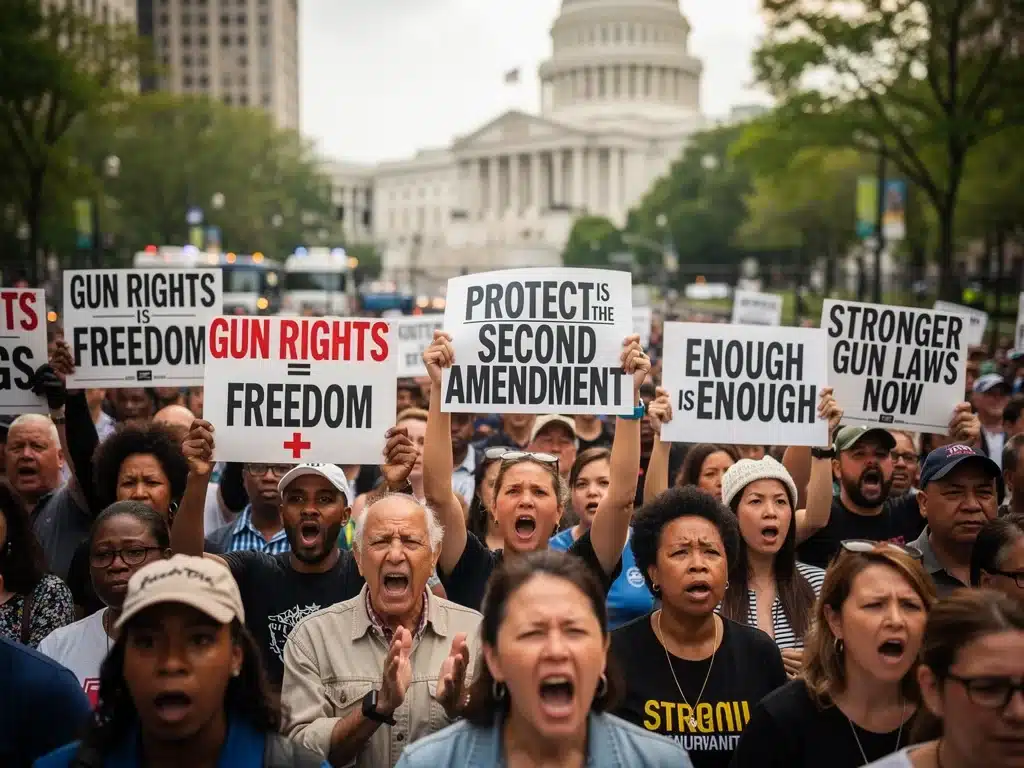
The history of gun control legislation in the United States is marked by periods of significant legislative activity and judicial review. Major federal laws, such as the National Firearms Act of 1934 and the Brady Handgun Violence Prevention Act of 1993, have shaped the regulatory framework over decades.
In recent years, high-profile incidents of gun violence have intensified calls for more stringent measures, leading to renewed efforts at both federal and state levels. These efforts often face considerable political resistance, resulting in legislative stalemates or incremental changes.
The Supreme Court’s evolving interpretations of the Second Amendment also play a critical role, influencing the scope and legality of proposed gun control measures. Understanding these legal precedents is essential for analyzing the viability of future policy initiatives.
Key Federal Legislative Milestones
- National Firearms Act of 1934: Imposed taxes and registration requirements on certain firearms.
- Gun Control Act of 1968: Regulated interstate commerce of firearms and restricted sales to certain individuals.
- Brady Handgun Violence Prevention Act of 1993: Mandated federal background checks for firearm purchases.
State-level initiatives vary widely, with some states enacting comprehensive gun control laws and others maintaining more permissive regulations.
This patchwork of laws often complicates enforcement and creates challenges for a unified national approach to gun control legislation.
The debate is further fueled by ongoing research into the effectiveness of various gun control measures. Studies often present conflicting data, making it difficult to achieve consensus on the most impactful policy interventions.
Analyzing Current Proposals for 2026
As the political calendar progresses, several key proposals are gaining traction for potential inclusion in 2026 policy discussions regarding gun control legislation. These range from universal background checks to bans on certain types of firearms and red flag laws.
Proponents argue that these measures are necessary to reduce gun violence, citing public safety concerns and the high rates of firearm-related deaths and injuries. They emphasize the need for a comprehensive approach that addresses various aspects of gun ownership and access.
Opponents, however, raise concerns about infringement on Second Amendment rights and the practical effectiveness of such proposals. They often advocate for stricter enforcement of existing laws, mental health initiatives, and self-defense rights.
Emerging Policy Concepts
- Universal Background Checks: Expanding background checks to all firearm sales, including private transactions.
- Assault Weapons Bans: Prohibiting the sale and possession of certain semi-automatic firearms.
- Red Flag Laws: Allowing temporary removal of firearms from individuals deemed a danger to themselves or others.
- Safe Storage Requirements: Mandating secure storage of firearms to prevent accidental shootings and theft.
Each of these proposals comes with its own set of arguments for and against, reflecting the deeply entrenched positions within the national debate.
The legislative path for any of these measures is expected to be challenging, requiring significant political will and compromise.
The potential impact of these proposals on firearm owners, manufacturers, and public safety is a central point of contention. Economic implications and civil liberties considerations are also frequently discussed.
The Role of Public Opinion and Advocacy Groups
Public opinion plays a significant, though often polarized, role in shaping the debate over gun control legislation. Surveys consistently show broad support for some measures, like universal background checks, while other proposals remain highly divisive.
Advocacy groups on both sides of the issue exert considerable influence, mobilizing their members, lobbying lawmakers, and engaging in public awareness campaigns. Organizations like the National Rifle Association (NRA) and Everytown for Gun Safety are prominent voices in this ongoing discourse.
These groups often frame the debate in stark terms, emphasizing either constitutional rights or public safety. Their efforts contribute to the intensity and visibility of the national conversation surrounding firearm policy.
Key Advocacy Group Positions
- Gun Rights Advocates: Emphasize Second Amendment protections, self-defense, and responsible gun ownership.
- Gun Control Advocates: Focus on reducing gun violence, enhancing public safety, and preventing mass shootings.
The funding and political power of these organizations significantly impact legislative outcomes. Their ability to influence elections and public discourse makes them central figures in any discussion about future gun control legislation.
Understanding the strategies and arguments of these advocacy groups is crucial for anyone following the evolving landscape of gun policy. Their continued engagement ensures that the debate remains a prominent feature of American politics.
The media’s portrayal of gun-related incidents and policy debates also shapes public perception. News coverage often highlights the urgency of the issue, contributing to the emotional intensity of the discussion around gun control legislation.
Economic and Social Impacts of Gun Control
The economic and social impacts of gun control legislation are multifaceted and often subject to intense debate. Proponents argue that stricter laws can lead to a reduction in societal costs associated with gun violence, including healthcare expenses, lost productivity, and criminal justice expenditures.
Opponents, however, point to potential economic impacts on the firearms industry, including manufacturers, retailers, and related businesses. They also raise concerns about the costs of implementing and enforcing new regulations.
Socially, the debate touches upon fundamental questions of individual liberty, community safety, and the role of government. These deeply held beliefs contribute to the passionate nature of the discourse.
Economic Considerations
- Healthcare Costs: Reduction in emergency services and long-term care for gun violence victims.
- Industry Impact: Effects on firearm manufacturing, sales, and related sectors.
- Enforcement Costs: Expenses for background checks, licensing, and regulatory oversight.
The impact on crime rates is another frequently debated aspect. While some studies suggest a correlation between stricter gun laws and reduced gun violence, others argue that such laws have little effect on criminal behavior.
These economic and social considerations are integral to the broader discussion on gun control legislation. Any proposed policy in 2026 will undoubtedly be evaluated through these lenses, further complicating the path to consensus.
The societal implications extend to issues of trust between citizens and law enforcement, as well as perceptions of personal safety. These factors contribute to the complexity of crafting effective and widely accepted gun control legislation.
Technological Advancements and Future Regulations
Technological advancements in firearm design and manufacturing present new challenges and opportunities for gun control legislation. The emergence of 3D-printed guns, smart guns, and other innovations requires policymakers to consider how existing laws apply and whether new regulations are needed.
Smart gun technology, for example, aims to prevent unauthorized use by allowing only verified users to fire a weapon. While proponents see this as a potential safety measure, critics raise concerns about reliability and privacy.
The rapid pace of technological change often outstrips the legislative process, creating a gap that policymakers must address. This ongoing challenge will be a significant factor in shaping 2026 policy discussions.
Innovations and Regulatory Challenges
- 3D-Printed Firearms: Difficulty in tracking and regulating privately manufactured weapons.
- Smart Gun Technology: Potential for enhanced safety balanced against reliability concerns.
- Ghost Guns: Untraceable firearms assembled from kits, posing challenges for law enforcement.
The debate around these technologies often involves discussions about how to balance innovation with public safety.
Striking this balance is a key objective for those considering future gun control legislation.
As technology evolves, so too must the regulatory framework, ensuring that laws remain relevant and effective in addressing new forms of firearm ownership and potential misuse. This dynamic relationship will continue to influence gun control debates.
The Political Realities of Bipartisan Cooperation
Achieving bipartisan cooperation on gun control legislation remains a formidable challenge in the current political climate. The issue is deeply entrenched in partisan divides, making compromise difficult to attain.
While there have been occasional instances of bipartisan agreement on limited measures, comprehensive reforms often face significant resistance from one side of the political spectrum. This dynamic frequently leads to legislative gridlock.
Looking towards 2026, the potential for meaningful policy changes will largely depend on the willingness of both parties to find common ground. This may involve focusing on areas where there is broader public consensus, such as mental health initiatives or improved background check systems.
Obstacles to Consensus
- Partisan Divide: Deep ideological differences between Democrats and Republicans.
- Lobbying Influence: Powerful advocacy groups on both sides impacting legislative decisions.
- Electoral Pressures: Politicians’ reluctance to alienate their base on a highly emotional issue.
The electoral cycle and the composition of Congress will also play a crucial role in determining the feasibility of new gun control legislation.
Midterm elections and presidential campaigns often amplify the rhetoric surrounding the issue, making rational discourse more challenging.
Despite the difficulties, some advocates continue to push for incremental changes, hoping that a series of smaller reforms can eventually lead to broader policy shifts. The search for a path forward that respects both rights and safety continues.
International Comparisons and Best Practices
Examining gun control legislation in other developed nations often provides valuable context for the American debate. Many countries have significantly stricter firearm laws, and proponents of stricter control in the U.S. frequently point to these examples as evidence of effective policies.
Nations like Australia, Canada, and the United Kingdom have implemented comprehensive gun control measures following major gun violence incidents. These policies often include bans on certain types of firearms, universal registration, and strict licensing requirements.
However, opponents argue that these international comparisons are not directly applicable to the United States, citing differences in historical context, cultural values, and constitutional frameworks. The Second Amendment is a unique aspect of American law that shapes the debate.
Global Approaches to Gun Control
- Australia: Implemented a national firearm buyback program and banned certain weapons after a mass shooting.
- Canada: Requires licensing, registration, and restricts certain firearms.
- United Kingdom: Has some of the strictest gun laws globally, with most handguns banned.
While direct replication may not be feasible, studying the outcomes and challenges of international gun control legislation can inform discussions about potential policy directions in the U.S. This comparative analysis helps identify both successful strategies and potential pitfalls.
The debate often revolves around whether these international models align with American values and constitutional principles.
Finding solutions that resonate with the U.S. context remains a central challenge for future gun control legislation.
The Path Forward: 2026 Policy Outlook
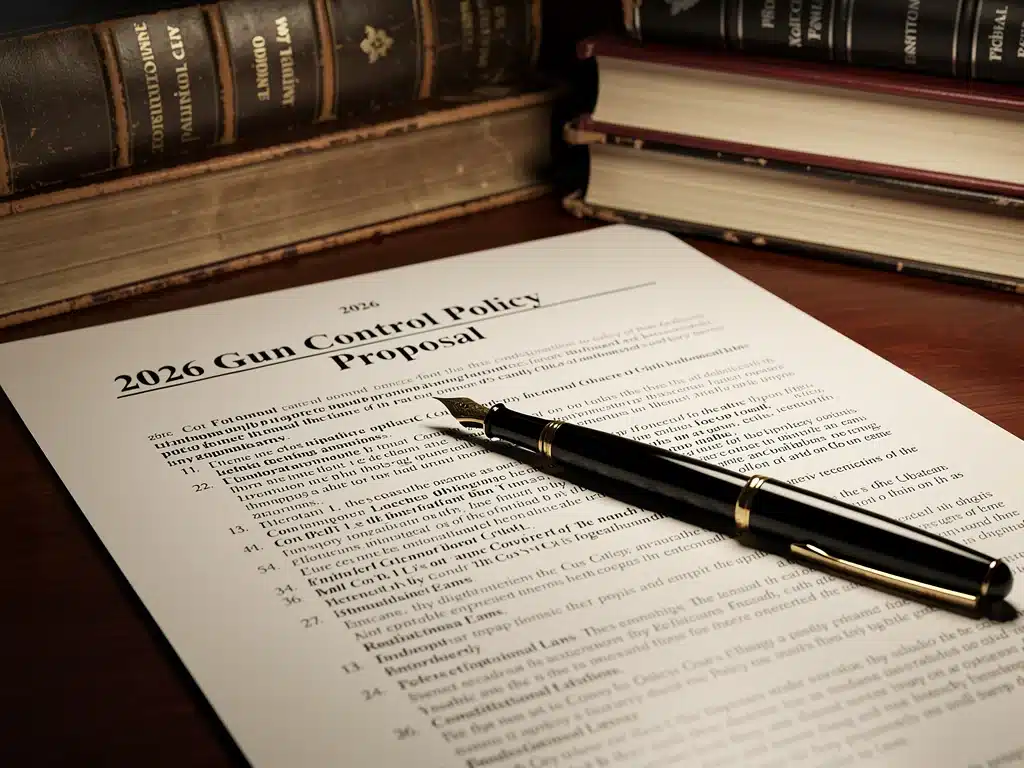
As the conversation around gun control legislation progresses towards 2026, several key areas are likely to dominate policy discussions. These include efforts to strengthen background checks, address gun trafficking, and enhance mental health services.
There is also an ongoing focus on preventative measures, such as community violence intervention programs and school safety initiatives. These approaches aim to tackle the root causes of violence rather than solely focusing on firearm restrictions.
The judicial landscape will continue to play a critical role, with potential Supreme Court rulings further defining the boundaries of Second Amendment rights and governmental authority to regulate firearms. These rulings will significantly impact the viability of future legislation.
Anticipated Policy Focus Areas
- Strengthening Background Checks: Expanding the scope and enforcement of existing systems.
- Addressing Gun Trafficking: Enhancing federal efforts to combat illegal firearm sales.
- Mental Health Integration: Linking mental health support with gun violence prevention strategies.
The political climate leading up to the 2026 midterm elections will undoubtedly influence the appetite for significant legislative action on gun control legislation.
Candidates will likely articulate their positions, further shaping the national discourse.
Ultimately, the future of gun control legislation in the United States will be a product of ongoing public debate, legislative efforts, judicial interpretations, and the evolving social and political landscape. The path forward remains complex and contested.
| Key Point | Brief Description |
|---|---|
| Ongoing Debate | The national discussion on gun control legislation remains highly polarized and complex. |
| 2026 Policy Proposals | Various legislative proposals, including background checks and assault weapon bans, are under consideration. |
| Influencing Factors | Public opinion, advocacy groups, and judicial rulings significantly impact legislative outcomes. |
| Future Outlook | Bipartisan cooperation and technological advancements will shape the future of firearm regulation. |
Frequently Asked Questions About Gun Control Legislation
Key federal laws include the National Firearms Act of 1934, regulating certain weapons, and the Gun Control Act of 1968, which addresses interstate commerce and prohibited purchasers. The Brady Act of 1993 also mandates federal background checks for firearm purchases, shaping the current regulatory landscape for gun control legislation.
Universal background checks refer to proposals that would require all firearm sales, including those between private citizens, to go through a licensed dealer. This would ensure that all transactions involve a federal background check, aiming to close loopholes in current gun control legislation.
Red flag laws, or Extreme Risk Protection Orders, allow temporary removal of firearms from individuals deemed a danger to themselves or others by a court. These laws are intended as a preventative measure to reduce gun violence, forming a significant part of modern gun control legislation discussions.
The Second Amendment protects the right to keep and bear arms, but its interpretation is central to the gun control debate. The Supreme Court has affirmed an individual right to bear arms while also recognizing the government’s power to regulate them, creating ongoing legal challenges for gun control legislation.
For 2026, proposals may include expanding universal background checks, implementing federal red flag laws, and potentially renewed efforts for assault weapons bans. Discussions will also likely cover addressing ghost guns and promoting smart gun technology as part of evolving gun control legislation.
Looking Ahead
The national debate on gun control legislation will undoubtedly continue to be a defining feature of American politics.
As 2026 approaches, the focus will intensify on potential policy proposals, influenced by public sentiment, advocacy efforts, and judicial interpretations.
Monitoring legislative developments, understanding the various perspectives, and staying informed on related court rulings will be crucial for comprehending the future trajectory of firearm regulations and their impact on society.