Pandemic Preparedness: 5 Lessons for U.S. Public Health 2026
Advertisements
The latest U.S. Public Health Preparedness update for 2026 centers on five lessons: faster surveillance, stronger supply chains, clearer public communication, better hospital readiness, and coordinated federal-state response. GAO warned that the U.S. still faces risks from infectious diseases, extreme weather and biological threats, while HHS preparedness funding continues through key emergency programs.
This matters because global coordination remains unsettled, with WHO pandemic treaty implementation delayed over pathogen-sharing and vaccine-access disputes. WHO says progress has been made since COVID-19, but future readiness depends on rapid data sharing, equitable medical countermeasures and sustained investment.
Looking ahead, readers should monitor CDC guidance, HHS preparedness budgets, hospital capacity, vaccine manufacturing, and international negotiations around pathogen access. These areas will determine whether the U.S. can respond faster and more effectively to the next public health emergency.
The Imperative for Robust U.S. Public Health Preparedness
The urgency to enhance U.S. Public Health has never been more apparent, driven by recent global health crises. These events underscored critical gaps in our national response capabilities and highlighted the need for systemic improvements. A proactive stance is crucial to prevent future widespread disruption and loss of life.
Federal agencies, state governments, and local health departments are now working to integrate these lessons into actionable plans. The focus is on creating a layered defense system that can withstand diverse pathogens and evolving public health challenges. This coordinated approach is essential for national security.
Achieving comprehensive Public Health requires continuous evaluation and adaptation. The landscape of infectious diseases is constantly changing, demanding flexible and innovative solutions. Sustained political will and public engagement are also vital components of this ongoing effort.
Lesson 1: Strengthening Supply Chains and Domestic Manufacturing
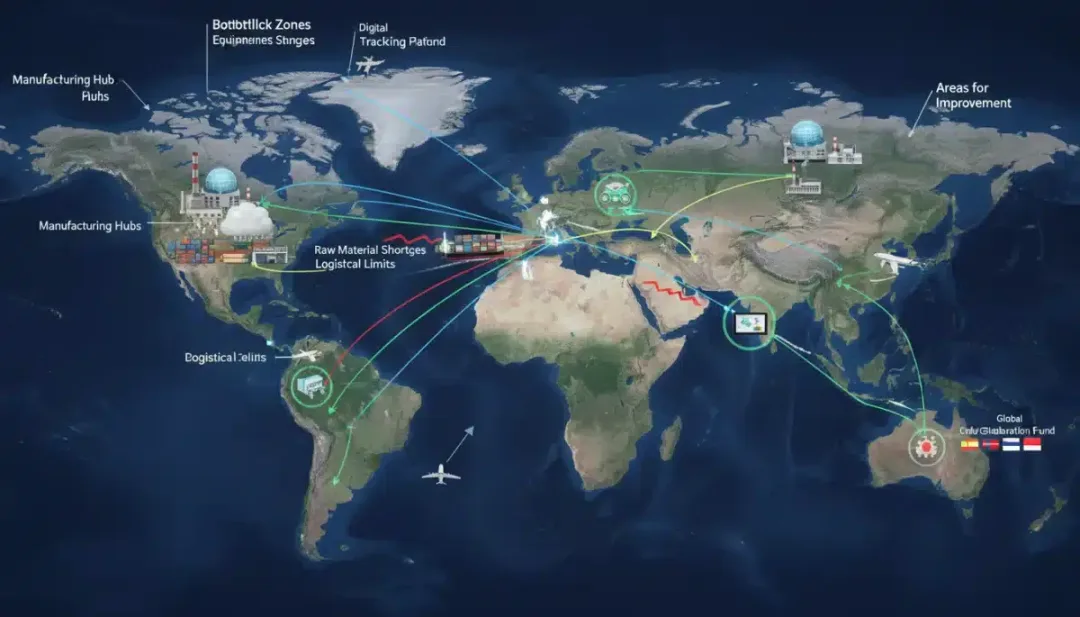
Past pandemics severely exposed the vulnerabilities within global supply chains, particularly for essential medical supplies and pharmaceuticals. Dependence on foreign manufacturing led to critical shortages and delayed response efforts across the nation. This highlighted a pressing need for greater self-sufficiency and diversification.
To address this, initiatives are underway to boost domestic manufacturing capabilities for vaccines, personal protective equipment (PPE), and critical medications. Strategic stockpiling and agreements with multiple suppliers are also being prioritized. These measures aim to ensure a steady and reliable flow of resources during future crises, bolstering U.S. Public Health Preparedness.
Furthermore, real-time tracking systems and improved logistics are being implemented to optimize distribution and prevent bottlenecks. The goal is to build a more resilient and responsive supply chain that can rapidly adapt to sudden surges in demand. This is a fundamental pillar of effective Public Health.
Prioritizing Local Production
Investing in local production facilities reduces reliance on international markets, mitigating geopolitical risks and transportation delays.
This strategy supports economic growth domestically while strengthening national security. It ensures quicker access to vital resources when they are most needed.
Incentives for private sector engagement are being explored to encourage the expansion of U.S.-based manufacturing. This includes tax breaks, grants, and streamlined regulatory processes. Such partnerships are vital for scaling production capacity rapidly in an emergency.
Diversifying Sourcing and Stockpiling
- Establishing multiple international suppliers to reduce single-point failure risks.
- Maintaining strategic national stockpiles of critical medical equipment and drugs.
- Implementing dynamic inventory management systems for rapid deployment.
- Collaborating with allies to create shared reserve capacities and mutual aid agreements.
Lesson 2: Enhancing Data Infrastructure and Interoperability
The fragmented nature of public health data systems proved to be a significant impediment during recent pandemic responses. Inconsistent data collection, incompatible platforms, and slow information sharing hindered effective surveillance and decision-making. A modernized, integrated data infrastructure is now a top priority for U.S. Public Health Preparedness.
Efforts are focused on creating a national, interoperable data system that allows for seamless exchange of information between federal, state, and local health agencies. This includes real-time disease surveillance, contact tracing, and vaccination tracking. Such a system is vital for understanding disease spread and allocating resources efficiently.
Standardized data protocols and secure platforms are being developed to protect patient privacy while facilitating critical data analysis. The aim is to leverage advanced analytics and artificial intelligence to predict outbreaks and inform public health interventions. This technological leap is central to Public Health.
Standardizing Data Collection
Uniform reporting standards across all jurisdictions are essential for accurate and comparable data. This allows for a clearer picture of national disease prevalence and trends. Training for public health workers on new data systems is also a key part of this modernization.
Investment in robust cybersecurity measures is paramount to safeguard sensitive health information.
Public trust in data systems is critical for widespread adoption and effective implementation. Transparency in data usage policies is also being emphasized.
Lesson 3: Investing in Public Health Workforce and Training
The strain on the public health workforce during past crises revealed a severe shortage of trained professionals across various disciplines. From epidemiologists and contact tracers to laboratory technicians and community health workers, the existing capacity was insufficient. Rebuilding and expanding this workforce is fundamental for U.S. Public Health Preparedness.
Strategic investments are being made in recruitment, training, and retention programs to attract and prepare a new generation of public health professionals. This includes scholarships, loan forgiveness programs, and expanded educational opportunities. Diverse backgrounds and skill sets are being prioritized to meet complex health challenges.
Ongoing professional development and cross-training initiatives are also crucial to ensure the workforce remains agile and adaptable. Equipping personnel with the latest tools and knowledge is vital for responding to emerging threats. This focus on human capital is integral to Public Health.
Building a Resilient Workforce
Creating a sustainable pipeline of public health talent requires collaboration between academic institutions, government agencies, and community organizations.
Mentorship programs and career development opportunities are being established. This aims to foster a dedicated and highly skilled workforce.
Addressing issues such as burnout and fair compensation is also important for retaining experienced professionals.
A supportive work environment is essential for maintaining morale and effectiveness during prolonged public health emergencies. These efforts are crucial for long-term resilience.
Lesson 4: Enhancing Communication Strategies and Public Trust
Misinformation and a lack of consistent, clear communication eroded public trust during previous pandemics, complicating response efforts. Conflicting messages from various authorities created confusion and resistance to public health guidelines. A unified, transparent communication strategy is essential for effective U.S. Public Health Preparedness.
New communication protocols emphasize a single, authoritative source for public health information, delivered consistently across all platforms. This involves leveraging diverse media channels and engaging with community leaders to disseminate accurate information effectively. Tailoring messages to specific demographics is also being explored.
Building public trust requires transparency, empathy, and a commitment to addressing concerns directly and honestly. Public health agencies are focusing on proactive engagement and educational campaigns to foster a more informed populace. This is a critical lesson for Public Health.
Fostering Clear and Consistent Messaging
- Establishing a central communication hub for all pandemic-related information.
- Training public health officials in crisis communication and media engagement.
- Utilizing plain language and accessible formats for diverse audiences.
- Actively countering misinformation through fact-checking and public education campaigns.
Lesson 5: Fostering International Collaboration and Global Health Security

Pandemics by nature transcend national borders, underscoring the critical importance of international collaboration in disease surveillance, research, and response. A purely national approach is insufficient to combat globally circulating pathogens. Strengthening global health security partnerships is paramount for U.S. Public Health Preparedness.
The U.S. is renewing its commitment to international organizations like the World Health Organization (WHO) and actively participating in global health initiatives. This includes sharing scientific data, coordinating research efforts, and providing technical assistance to lower-income countries. A strong global defense benefits everyone.
Bilateral and multilateral agreements are being pursued to facilitate rapid vaccine development, equitable distribution of resources, and coordinated travel policies during outbreaks. These partnerships are foundational to effective Public Health. No country can tackle these threats alone.
Collaborative Research and Development
Pooling resources for vaccine and therapeutic research accelerates discovery and development, making new interventions available faster.
This collaborative model has proven effective in past emergencies. Sharing scientific advancements globally ensures a more rapid and widespread benefit.
Joint exercises and simulations with international partners are also being conducted to test response protocols and identify areas for improvement.
These drills enhance preparedness and foster stronger working relationships among global health leaders. Such cooperation is invaluable.
| Key Lesson | Brief Description |
|---|---|
| Supply Chain Resilience | Strengthening domestic manufacturing and diversifying sources for medical supplies. |
| Data Infrastructure | Building interoperable systems for seamless public health data exchange. |
| Workforce Investment | Recruiting, training, and retaining a robust public health workforce. |
| Global Collaboration | Enhancing international partnerships for coordinated disease surveillance and response. |
Frequently Asked Questions on U.S. Public Health Preparedness
What are the primary goals for U.S. Public Health Preparedness by 2026?▼The primary goals involve fortifying national defenses against future pandemics by strengthening supply chains, modernizing data infrastructure, expanding the public health workforce, improving communication, and enhancing international collaboration. These efforts aim to create a more resilient and responsive system, ensuring robust Public Health.
How will supply chains be made more resilient for future pandemics?▼Resilience is being built through increased domestic manufacturing of critical medical supplies, diversifying international suppliers, and maintaining strategic national stockpiles. These measures reduce dependence on single sources and ensure rapid access to essential resources during emergencies. This is a key aspect of U.S. Public Health Preparedness for the coming years.
What role does data play in enhancing pandemic preparedness?▼Data plays a crucial role by enabling real-time disease surveillance, efficient contact tracing, and effective resource allocation. Modernizing fragmented systems into an interoperable national infrastructure allows for seamless information sharing and data-driven decision-making, which is vital for effective U.S. Public Health Preparedness.
Why is investing in the public health workforce so important?▼Investing in the public health workforce is critical due to past shortages of trained professionals. Recruitment, training, and retention programs are essential to ensure adequate staffing for epidemiologists, lab technicians, and community health workers. A robust and well-trained workforce is the backbone of effective U.S. Public Health Preparedness.
How will international collaboration secure U.S. public health?▼International collaboration is vital because pandemics are global. The U.S. strengthens global health security through partnerships with organizations like the WHO, sharing data, coordinating research, and facilitating equitable resource distribution. These efforts ensure a collective global defense, directly impacting U.S. Public Health Preparedness against cross-border threats.
Looking Ahead: Securing the Nation’s Health Future
The comprehensive review of Public Health highlights a clear path forward. The emphasis on robust U.S. Public Health Preparedness is not merely a reactive measure but a foundational commitment to national well-being. Continued vigilance, sustained investment, and adaptive strategies will be crucial in the years leading up to 2026 and beyond.
Monitoring the implementation of these lessons, particularly in areas like domestic supply chain development and integrated data systems, will provide critical insights into the nation’s progress. Public and private sector collaboration remains a cornerstone of this effort. The goal is to build a resilient system capable of protecting communities from future health crises.
GransNews will continue to track these developments, providing timely updates and verified analysis on how the United States is fortifying its public health infrastructure. The journey toward enhanced Public Health is ongoing, requiring active engagement and informed public discourse.