U.S. Alliances: Shaping Global Future in the Next Decade
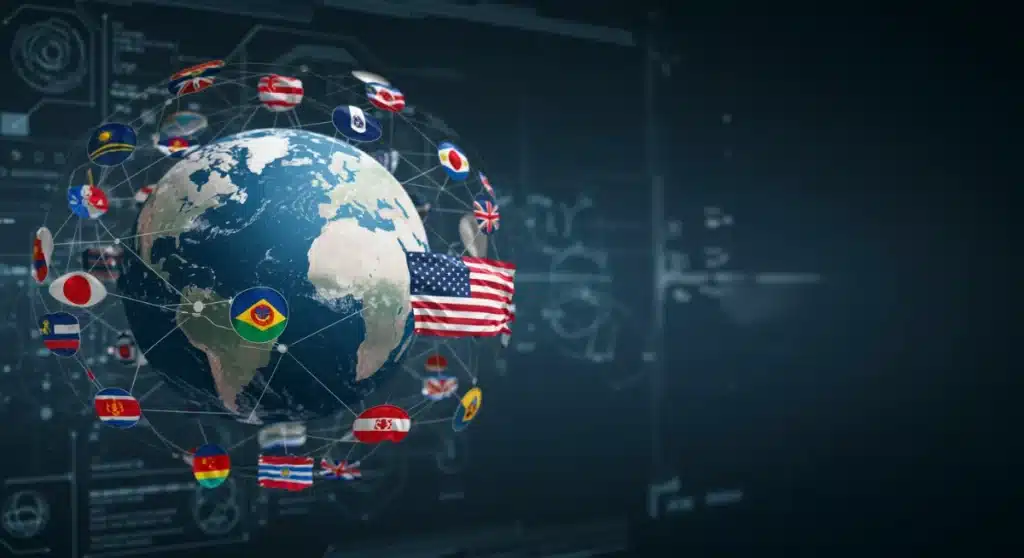
The future of U.S. international alliances is critical for global stability, requiring adaptive strategies to address evolving geopolitical landscapes, technological advancements, and new security challenges in the coming decade.
As the world navigates an increasingly complex geopolitical landscape, understanding U.S. international alliances becomes paramount. How will these foundational partnerships evolve, and what new forms will they take to secure American interests and global stability over the next decade? Let’s delve into the strategic shifts and enduring principles guiding U.S. foreign policy.
The Evolving Landscape of Global Power
The global stage is undergoing a profound transformation, marked by the rise of new powers, the resurgence of old rivalries, and an increasingly interconnected yet fragmented world. For the United States, this evolving landscape presents both significant challenges and unparalleled opportunities to redefine its role through its network of international alliances. The traditional bipolar or unipolar models no longer fully capture the intricate dynamics at play, necessitating a more nuanced and adaptable approach to foreign policy.
Regional conflicts, technological competition, and transnational threats such as climate change and pandemics demand collective action. No single nation, however powerful, can effectively address these multifaceted issues alone. Therefore, the strength and adaptability of U.S. alliances will be crucial in fostering a stable and prosperous international order. The coming decade will test the resilience of these partnerships and their capacity to innovate in the face of unprecedented global pressures.
Shifting Geopolitical Centers
The economic and political weight of the Indo-Pacific region continues to grow, making it a focal point for U.S. strategic interests. This shift requires a re-evaluation of existing alliances and the formation of new ones to counter emerging challenges and promote regional stability.
- Indo-Pacific Focus: Strengthening partnerships with countries like Japan, South Korea, Australia, and India to ensure a free and open region.
- European Resilience: Reaffirming commitments to NATO while encouraging European allies to shoulder more responsibility for continental security.
- African Engagement: Expanding diplomatic and economic ties to address security concerns and foster sustainable development.
The rise of China as a global economic and military power is perhaps the most significant geopolitical development of our time. Its growing influence challenges the existing international order and necessitates a coordinated response from the U.S. and its allies. This involves not only military deterrence but also economic cooperation and the promotion of shared democratic values. The future of global power dynamics will largely depend on how these complex relationships are managed.
Overall, the U.S. must remain agile and forward-thinking in its approach to international alliances. This involves not only maintaining robust military capabilities but also investing in diplomatic initiatives, economic partnerships, and cultural exchanges that build trust and mutual understanding. The effectiveness of these alliances will ultimately determine the success of U.S. foreign policy in safeguarding its interests and promoting a more secure world.
Adapting to New Security Challenges
Traditional security threats, such as interstate conflict, remain pertinent, but they are now augmented by a new generation of challenges that transcend national borders. Cyber warfare, disinformation campaigns, and the weaponization of economic dependencies pose significant risks to national security and global stability. The future of U.S. international alliances hinges on their ability to collectively adapt to and counter these evolving threats, moving beyond conventional military cooperation.
The interconnected nature of modern society means that a cyberattack on one nation can have ripple effects across an entire alliance. Similarly, economic coercion by a powerful state can undermine the sovereignty and resilience of smaller partners. Therefore, alliances must develop comprehensive strategies that integrate cyber defense, economic resilience, and information sharing to protect their collective interests effectively.
Cybersecurity and Digital Defense
The digital domain has become a critical battleground, requiring advanced capabilities and close cooperation among allies. Protecting critical infrastructure and combating state-sponsored cyber espionage are top priorities.
- Joint Cyber Exercises: Conducting regular drills to enhance collective response capabilities against cyberattacks.
- Information Sharing: Establishing robust mechanisms for sharing threat intelligence and best practices in cybersecurity.
- Technological Innovation: Collaborating on developing cutting-edge defensive and offensive cyber technologies.
Disinformation, often propagated through social media and state-controlled media outlets, aims to sow discord and undermine democratic institutions. U.S. alliances must develop sophisticated counter-disinformation strategies that involve media literacy campaigns, fact-checking initiatives, and coordinated responses to malicious narratives. This requires a strong commitment to defending democratic values and institutions, both domestically and internationally.
Furthermore, the economic dimension of security is becoming increasingly prominent. Supply chain vulnerabilities, especially in critical sectors like semiconductors and rare earth minerals, can be exploited by adversaries. Allies must work together to diversify supply chains, promote resilient economic practices, and reduce dependencies on potentially hostile nations. This includes fostering innovation and investment in key technologies to maintain a competitive edge.
In essence, adapting to new security challenges means embracing a holistic approach that integrates military, cyber, economic, and informational elements. The future of U.S. international alliances will depend on their capacity to innovate, collaborate, and build collective resilience against a diverse array of threats.
Strengthening Economic and Technological Partnerships
Beyond traditional military cooperation, the future of U.S. international alliances will increasingly be defined by robust economic and technological partnerships. In an era of intense global competition, especially with nations like China, collaborating on innovation, trade, and critical supply chains is paramount. These partnerships not only foster mutual prosperity but also reinforce geopolitical influence and collective resilience against economic coercion.
The U.S. recognizes that economic strength and technological leadership are integral components of national security. By working closely with allies on issues such as artificial intelligence, quantum computing, biotechnology, and clean energy, the U.S. can accelerate innovation, establish global standards, and ensure that democratic values guide technological development. This collaborative approach also helps to mitigate risks associated with over-reliance on single suppliers or potentially adversarial nations for critical technologies.
Critical Supply Chain Resilience
Ensuring the uninterrupted flow of essential goods and materials is vital for both economic stability and national security. Alliances need to proactively identify vulnerabilities and implement strategies to build more resilient supply chains.
- Diversification of Sources: Reducing dependence on single countries for critical components, such as semiconductors and rare earth minerals.
- Strategic Stockpiling: Maintaining reserves of essential goods to buffer against disruptions.
- Investment in Domestic Production: Encouraging and supporting domestic and allied manufacturing capabilities for key industries.
Technological cooperation extends to setting global norms and standards for emerging technologies. As new frontiers like AI and synthetic biology develop, it is crucial that ethical considerations and democratic principles guide their application. U.S. alliances can collectively advocate for responsible innovation and prevent the weaponization of these technologies by authoritarian regimes. This involves sharing research, coordinating regulatory frameworks, and fostering joint ventures in high-tech sectors.
Moreover, economic partnerships serve as a powerful tool for promoting shared values and democratic governance. By offering attractive trade agreements, investment opportunities, and development assistance, the U.S. and its allies can present a compelling alternative to models that prioritize state control over individual freedoms. These economic ties create interdependence that strengthens diplomatic relations and fosters long-term stability.
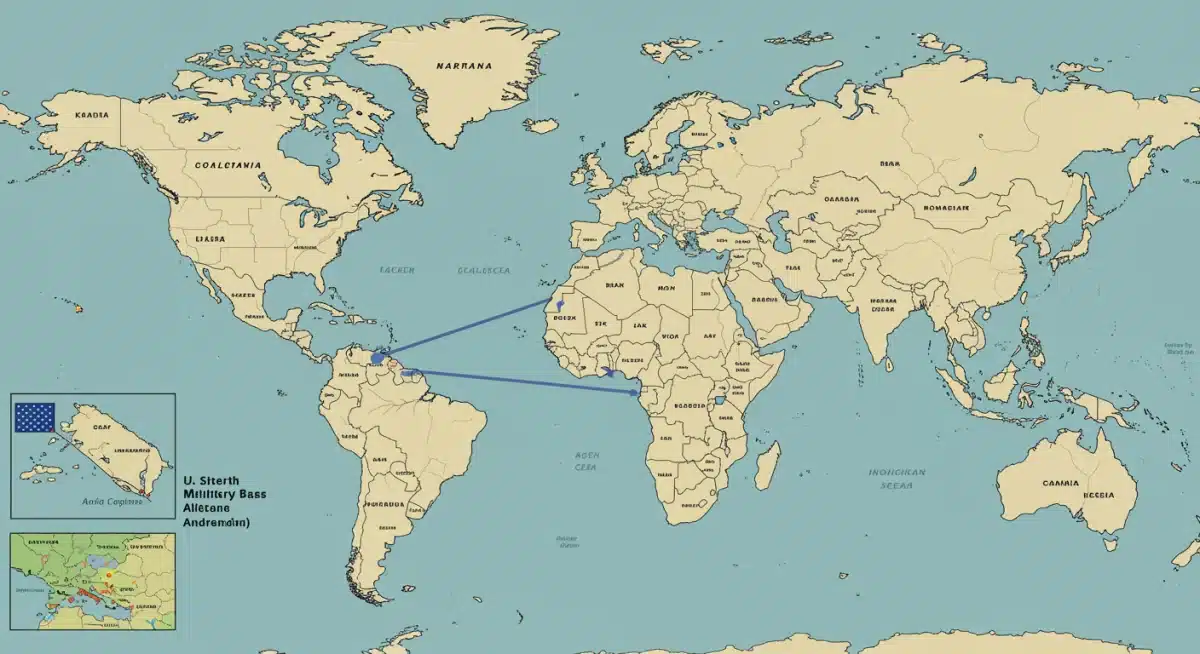
In conclusion, strengthening economic and technological partnerships is not merely about commerce; it is a strategic imperative for the future of U.S. international alliances. These collaborations build a foundation of shared prosperity and technological superiority that underpins collective security and influence in the 21st century.
Multilateralism and Diplomacy in a Fragmented World
In an increasingly fragmented and multipolar world, the role of multilateralism and diplomacy in U.S. international alliances cannot be overstated. While bilateral relationships remain crucial, complex global challenges—from climate change to arms proliferation—demand coordinated responses that transcend individual nation-states. The U.S. must champion multilateral institutions and diplomatic efforts to build consensus, resolve disputes peacefully, and uphold the rules-based international order.
The effectiveness of multilateral institutions like the United Nations, the World Trade Organization, and various regional bodies often depends on the active engagement and leadership of major powers. The U.S., by leveraging its alliances, can galvanize collective action within these forums, ensuring that global norms and international law are respected. This approach not only lends legitimacy to U.S. foreign policy but also distributes the burden of global governance among a broader coalition of nations.
Reinvigorating International Institutions
Many international institutions face challenges, including questions of relevance, effectiveness, and reform. The U.S. and its allies can work together to modernize these bodies and ensure they are fit for purpose in the 21st century.
- UN Reform: Advocating for structural changes within the United Nations to enhance its efficiency and responsiveness.
- WTO Modernization: Pushing for reforms to address contemporary trade issues and ensure fair competition.
- Regional Cooperation: Strengthening organizations like the G7, G20, and ASEAN to tackle regional and global challenges more effectively.
Diplomacy, at its core, is the art of peaceful negotiation and compromise. In a world fraught with tensions, robust diplomatic engagement is essential to de-escalate conflicts, build trust, and find common ground. U.S. alliances provide a powerful platform for coordinated diplomatic initiatives, allowing allies to speak with a united voice on critical global issues. This collective diplomatic weight can be far more persuasive than unilateral action.
Furthermore, multilateral forums offer opportunities for preventive diplomacy and conflict resolution. By bringing together diverse stakeholders, these platforms can facilitate early warning systems, mediate disputes, and support peace-building efforts. The U.S., through its alliances, can play a leading role in fostering these essential functions, thereby preventing crises from escalating into larger conflicts.
Ultimately, the future of U.S. international alliances will be intertwined with the success of multilateralism and diplomacy. By actively engaging in and strengthening these mechanisms, the U.S. can ensure that its foreign policy is not only effective but also broadly supported by a coalition of like-minded nations committed to a stable and prosperous world order.
Addressing Domestic Foundations of Alliance Strength
The strength and credibility of U.S. international alliances are not solely determined by geopolitical strategies or military capabilities; they are profoundly rooted in domestic foundations. A strong economy, a vibrant democracy, social cohesion, and consistent policy frameworks at home are indispensable for projecting power and trustworthiness abroad. Without a stable and confident domestic base, the U.S. cannot effectively lead its alliances or maintain its global influence.
Political polarization, economic inequality, and social divisions within the United States can undermine its image as a reliable partner and a beacon of democratic values. Allies look to the U.S. for leadership, and internal instability can breed uncertainty and distrust. Therefore, investing in domestic resilience—through robust infrastructure, education, healthcare, and equitable economic opportunities—is a strategic imperative for maintaining strong international partnerships.
The Role of Economic Prosperity
A thriving U.S. economy provides the resources necessary to fund defense initiatives, foreign aid, and diplomatic efforts, all of which are vital for alliance maintenance and growth.
- Investment in Infrastructure: Modernizing domestic infrastructure to enhance economic competitiveness and job creation.
- Technological Leadership: Supporting research and development to maintain a global edge in critical industries.
- Workforce Development: Investing in education and training to ensure a skilled workforce capable of driving innovation.
The health of American democracy is also a critical factor. Allies often share democratic values with the U.S., and any perceived erosion of these values at home can raise concerns about shared principles and commitment to human rights. Upholding democratic institutions, promoting civic engagement, and ensuring transparent governance are essential for reinforcing the U.S.’s moral authority and its appeal as a democratic leader.
Furthermore, consistent and predictable foreign policy is built on stable domestic political consensus. Frequent shifts in policy orientation due to internal political changes can create confusion among allies and adversaries alike. Building broad bipartisan support for key foreign policy initiatives helps to ensure continuity and reliability in U.S. commitments.

In essence, a strong America at home translates into a strong America abroad. Addressing domestic challenges and reinforcing the foundations of American society are not distractions from foreign policy but rather essential prerequisites for the continued strength and effectiveness of U.S. international alliances in the coming decade.
The Future of NATO and Transatlantic Ties
The North Atlantic Treaty Organization (NATO) remains the cornerstone of U.S. security policy in Europe, representing a vital transatlantic bond. However, the alliance faces ongoing challenges, including internal cohesion, burden-sharing debates, and adapting to a more assertive Russia and rising global threats. The future of U.S. international alliances critically depends on a robust and unified NATO, capable of deterring aggression and responding effectively to a wide spectrum of security issues.
The Russian invasion of Ukraine has underscored NATO’s enduring relevance, galvanizing members to increase defense spending and enhance collective deterrence. Yet, ensuring sustained commitment and equitable burden-sharing among all allies remains a continuous diplomatic effort. The U.S. must continue to champion NATO’s foundational principles while encouraging allies to invest more in their own defense capabilities and contribute proportionally to collective security.
Modernizing NATO’s Capabilities
To effectively address contemporary threats, NATO must continue to modernize its military capabilities, integrate new technologies, and adapt its strategic doctrines. This includes focusing on areas beyond traditional land and air warfare.
- Cyber Defense Integration: Enhancing collective defenses against advanced cyber threats targeting critical infrastructure.
- Space Domain Awareness: Developing shared capabilities for monitoring and protecting assets in space.
- Rapid Deployment Forces: Improving the readiness and mobility of forces to respond swiftly to crises across the alliance’s territory.
Beyond military aspects, the transatlantic relationship is also underpinned by shared democratic values and economic ties. Strengthening these bonds through diplomatic engagement, cultural exchange, and coordinated economic policies is crucial for maintaining the alliance’s long-term vitality. The U.S. and its European allies must work together to counter authoritarian influences, promote human rights, and address global challenges such as climate change and pandemics.
The expansion of NATO to include new members, such as Finland and Sweden, demonstrates the alliance’s continued appeal and its capacity to adapt to changing geopolitical realities. However, each expansion brings new strategic considerations and requires careful integration to ensure overall cohesion and effectiveness. The U.S. plays a key role in facilitating these processes and ensuring that new members fully contribute to the alliance’s collective security.
In summary, the future of NATO and transatlantic ties is vital for U.S. international alliances. By fostering unity, encouraging burden-sharing, and continuously adapting to new threats, the U.S. can ensure that NATO remains a powerful force for stability and security in the next decade and beyond.
Emerging Partnership Models and Regional Architectures
As the global landscape continues to diversify, the U.S. is exploring and developing new partnership models and regional architectures beyond traditional treaty alliances. These flexible frameworks allow for tailored cooperation on specific issues, addressing unique regional challenges and expanding the network of like-minded nations without the rigidities of formal alliances. This adaptive approach is crucial for maintaining influence and addressing complex threats in areas where traditional alliances may not be feasible or desirable.
One prominent example is the Quad (Quadrilateral Security Dialogue) involving the U.S., Japan, Australia, and India, which focuses on a free and open Indo-Pacific, cybersecurity, and vaccine diplomacy. Such mini-lateral groupings allow for agility and targeted collaboration. Similarly, partnerships with countries in Africa, Latin America, and Southeast Asia are being cultivated to address issues like counter-terrorism, maritime security, and economic development, reflecting a more diversified approach to global engagement.
Flexible Engagement Strategies
To effectively navigate a complex world, the U.S. is increasingly adopting flexible engagement strategies that allow for varied levels of commitment and cooperation based on specific strategic interests and shared values.
- Ad-hoc Coalitions: Forming temporary partnerships to address immediate crises or specific threats, such as humanitarian aid or counter-piracy operations.
- Sector-Specific Collaborations: Focusing on particular areas like climate change, health security, or digital infrastructure with a diverse set of partners.
- Security Dialogues: Engaging in regular strategic dialogues with non-allied nations to build trust and shared understanding, laying groundwork for future cooperation.
Developing robust regional architectures is another key aspect. These frameworks often involve multilateral platforms that facilitate dialogue, conflict prevention, and economic integration within specific geographic areas. By supporting and participating in these regional bodies, the U.S. can empower local actors and foster a sense of shared responsibility for regional stability. This approach moves beyond a purely U.S.-centric view, recognizing the importance of local ownership and leadership.
Moreover, these emerging partnership models are often characterized by their inclusivity, allowing for broader participation from nations that may not be formal allies but share common interests. This enables the U.S. to leverage a wider range of resources, expertise, and perspectives in addressing global challenges. It also provides opportunities to build bridges with countries that might otherwise feel marginalized or compelled to lean towards adversarial powers.
In conclusion, the evolution towards more diverse and flexible partnership models, alongside strengthened regional architectures, is a critical component of the future of U.S. international alliances. This strategic adaptability allows the U.S. to remain a relevant and influential global actor, capable of addressing the multifaceted challenges of the next decade.
| Key Aspect | U.S. Alliance Perspective for Next Decade |
|---|---|
| Geopolitical Shifts | Adapting to Indo-Pacific rise, managing China’s influence, and reinforcing European ties. |
| Security Challenges | Integrating cyber defense, countering disinformation, and enhancing economic resilience. |
| Partnership Models | Developing flexible, issue-specific collaborations and strengthening regional architectures. |
| Domestic Strength | Ensuring economic prosperity and democratic health to project global reliability. |
Frequently Asked Questions About U.S. International Alliances
U.S. alliances are adapting by strengthening partnerships in the Indo-Pacific, such as the Quad, focusing on economic resilience, and enhancing technological cooperation. This involves a multi-faceted approach to counter China’s growing influence while maintaining diplomatic engagement where possible to avoid escalation.
Cybersecurity is a critical component, with alliances focusing on joint cyber exercises, intelligence sharing, and collaborative technology development. Protecting critical infrastructure and combating state-sponsored cyber threats are paramount to collective security in the digital age.
NATO will likely continue to modernize its capabilities, integrate new members like Finland and Sweden, and address burden-sharing challenges. Its focus will expand beyond traditional defense to include cyber and space domains, countering a more assertive Russia and other global threats effectively.
Yes, the U.S. is increasingly engaging in flexible, issue-specific partnerships and mini-lateral groupings, such as the Quad. These models allow for tailored cooperation on specific challenges like climate change, health security, and regional stability, complementing traditional treaty alliances.
Domestic strength, including a robust economy, democratic health, and social cohesion, is foundational for U.S. alliances. It projects reliability and trustworthiness, enabling the U.S. to lead effectively and maintain its global influence. Internal stability underpins external credibility.
Conclusion
The future of U.S. international alliances is not a static concept but a dynamic continuum, demanding constant adaptation and strategic foresight. Over the next decade, these partnerships will be tested by evolving geopolitical landscapes, new security challenges in the cyber and economic realms, and the imperative to foster resilient domestic foundations. By embracing multilateralism, strengthening existing bonds, and forging innovative new partnerships, the United States can navigate a complex global environment, ensuring its security and promoting a more stable and prosperous world order. The continued commitment to shared values, diplomatic engagement, and collective action will ultimately define the enduring strength and relevance of U.S. leadership on the international stage.