Top 5 U.S. Business Sectors Poised for Growth in 2025

Expert insights reveal the top 5 emerging U.S. business sectors poised for significant growth in 2025, including Artificial Intelligence, Renewable Energy, Biotechnology, Personalized Healthcare, and Sustainable Logistics, driven by innovation and market demand.
As we approach 2025, understanding the economic landscape is crucial for strategic planning, and this article offers expert insights: the top 5 emerging U.S. business sectors poised for growth in 2025 – a 3-month outlook. The U.S. economy, a dynamic and ever-evolving entity, continually presents new frontiers for innovation and investment. Identifying these burgeoning sectors early can provide a significant advantage for businesses, investors, and policymakers alike.
The Ascent of Artificial Intelligence and Machine Learning
Artificial Intelligence (AI) and Machine Learning (ML) are no longer futuristic concepts; they are foundational technologies reshaping every facet of the U.S. business landscape. The rapid advancements in algorithms, processing power, and data availability are fueling an unprecedented surge in AI adoption across industries. This sector is witnessing exponential growth as companies realize the transformative potential of AI in enhancing efficiency, driving innovation, and unlocking new revenue streams.
The next three months will likely see continued investment in AI infrastructure and talent, as businesses strive to integrate AI solutions into their core operations. From automating routine tasks to powering complex data analytics, AI’s versatility makes it an indispensable tool for maintaining a competitive edge in a rapidly digitizing world.
Key Drivers of AI Sector Growth
Several factors are propelling the AI sector forward, making it a prime candidate for sustained growth. Understanding these drivers is essential for anyone looking to capitalize on this trend.
- Data Proliferation: The sheer volume of data generated daily provides fertile ground for AI algorithms to learn and improve, leading to more sophisticated and accurate applications.
- Cloud Computing: The accessibility and scalability of cloud platforms have democratized AI, allowing even smaller businesses to leverage powerful AI tools without massive upfront investments.
- Venture Capital Influx: Significant investment from venture capitalists continues to fuel innovation, research, and development in AI startups, bringing cutting-edge solutions to market faster.
Applications and Impact Across Industries
AI’s impact is not confined to a single industry; its applications are broad and transformative. We are seeing AI revolutionize sectors from healthcare to finance, and manufacturing to retail.
- Healthcare: AI assists in drug discovery, personalized treatment plans, and diagnostic imaging, promising to enhance patient care and reduce costs.
- Finance: Fraud detection, algorithmic trading, and personalized financial advice are just a few ways AI is optimizing financial services.
- Manufacturing: Predictive maintenance, quality control, and supply chain optimization powered by AI are boosting productivity and reducing downtime.
The AI sector’s growth trajectory is robust, driven by its practical applications and the increasing demand for intelligent automation. Companies that embrace AI will likely be the leaders of tomorrow, demonstrating enhanced operational efficiency and innovative service delivery.
Renewable Energy and Sustainable Technologies
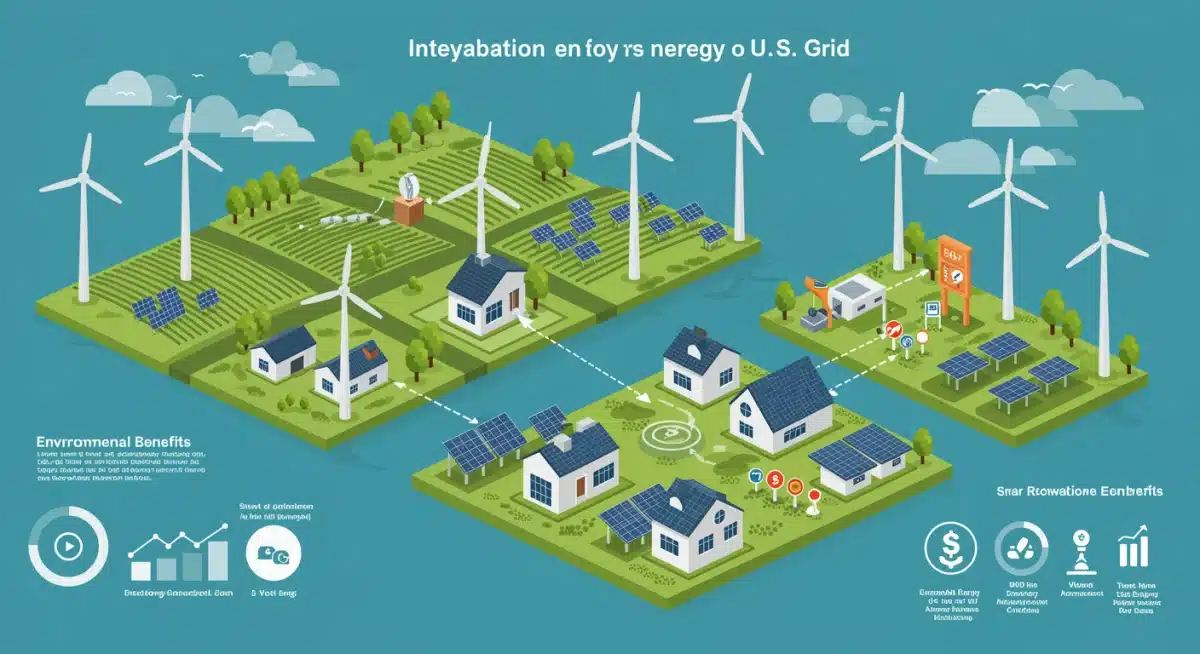
The global imperative to address climate change, coupled with declining costs of renewable energy technologies, has positioned the U.S. renewable energy and sustainable technologies sector for explosive growth. Government incentives, corporate sustainability goals, and increasing consumer demand for eco-friendly solutions are creating a robust market. This sector encompasses everything from solar and wind power generation to energy storage, electric vehicles, and green building materials.
Over the next three months, expect to see continued policy support and significant private sector investment flowing into renewable energy projects. The push for energy independence and grid modernization also plays a crucial role, making this sector resilient and highly attractive for long-term growth.
Innovation in Energy Generation and Storage
Breakthroughs in energy generation and storage are at the heart of this sector’s expansion. These innovations are making renewable energy more reliable and cost-effective.
- Advanced Solar Panels: New materials and designs are increasing efficiency and reducing the footprint of solar installations.
- Offshore Wind Farms: Large-scale offshore projects are becoming more viable, harnessing powerful winds to generate substantial electricity.
- Battery Technology: Improvements in lithium-ion and emerging battery chemistries are crucial for storing intermittent renewable energy, ensuring a stable power supply.
Sustainable Practices Across Supply Chains
Beyond energy generation, the broader sustainable technologies sector is driving innovation in how goods are produced, transported, and consumed. Businesses are increasingly adopting sustainable practices to meet regulatory requirements and consumer expectations.
- Circular Economy Models: Companies are designing products for longevity, reuse, and recycling, minimizing waste and resource depletion.
- Green Logistics: The adoption of electric fleets, optimized delivery routes, and sustainable packaging reduces the environmental impact of transportation.
- Carbon Capture Technologies: Investment in technologies that capture and store carbon emissions is gaining traction as a critical component of climate mitigation strategies.
The renewable energy and sustainable technologies sector is set to thrive, driven by a confluence of environmental urgency, technological innovation, and economic incentives. Its growth is not merely a trend but a fundamental shift towards a more sustainable global economy.

Biotechnology and Precision Medicine
The biotechnology and precision medicine sector is experiencing a renaissance, fueled by groundbreaking scientific discoveries and technological advancements. This includes everything from gene editing and personalized therapies to advanced diagnostics and bioinformatics. The U.S., with its robust research institutions and strong venture capital ecosystem, is at the forefront of this revolution. The demand for more effective, targeted treatments for complex diseases, coupled with an aging population, ensures a sustained market for biotech innovations.
In the coming months, we can anticipate accelerated clinical trials, new drug approvals, and increased investment in R&D, particularly in areas like oncology, rare diseases, and neurodegenerative disorders. The integration of AI and big data analytics is also supercharging discovery processes within this sector.
Advancements in Gene Editing and Cell Therapies
Gene editing technologies like CRISPR and the rapid development of cell therapies are transforming the treatment landscape, offering hope for previously incurable conditions. These innovations represent a paradigm shift in medicine.
- CRISPR Technology: Precise gene editing tools are enabling scientists to correct genetic defects at their source, opening doors for treating inherited diseases.
- CAR T-Cell Therapy: This revolutionary cancer treatment involves engineering a patient’s own immune cells to fight cancer, demonstrating remarkable success in certain blood cancers.
- Stem Cell Research: Continued advancements in stem cell research hold promise for regenerative medicine, repairing damaged tissues and organs.
The Rise of Personalized Healthcare
Precision medicine, often referred to as personalized healthcare, tailors medical treatment to the individual characteristics of each patient. This approach considers genetic makeup, lifestyle, and environment, leading to more effective and safer therapies.
- Pharmacogenomics: Understanding how genes affect a person’s response to drugs allows for more accurate prescribing and reduced adverse reactions.
- Companion Diagnostics: Tests that determine whether a patient is likely to benefit from a particular treatment are becoming standard practice, especially in oncology.
- Wearable Health Devices: Continuous monitoring of health metrics through wearables provides valuable data for personalized health management and early disease detection.
The biotechnology and precision medicine sector is on an upward trajectory, driven by scientific breakthroughs and a growing demand for highly effective, individualized treatments. This sector promises not only significant financial returns but also profound improvements in human health.
Personalized Healthcare and Wellness Technologies
Complementing the advancements in biotechnology, the broader personalized healthcare and wellness technologies sector is booming. This encompasses digital health platforms, wearable devices, remote patient monitoring, and customized wellness programs. Driven by consumer empowerment, technological accessibility, and the increasing burden on traditional healthcare systems, individuals are taking a more proactive role in managing their health.
The next three months will likely see further integration of these technologies into daily life, with a focus on seamless user experience and actionable health insights. The convergence of data science, behavioral psychology, and accessible technology is creating a powerful ecosystem for preventive and personalized care.
Digital Health Platforms and Telemedicine Expansion
Digital platforms and telemedicine have revolutionized access to healthcare, making consultations and health management more convenient and efficient. The pandemic accelerated their adoption, and their growth shows no signs of slowing.
- Virtual Consultations: Telemedicine platforms allow patients to connect with healthcare providers remotely, increasing access to specialists and reducing wait times.
- AI-Powered Diagnostics: AI algorithms can analyze patient data from various sources to assist in early disease detection and personalized risk assessments.
- Health Management Apps: Applications that help users track symptoms, medication, and lifestyle choices empower individuals to manage chronic conditions more effectively.
Wearable Technology and Remote Monitoring
Wearable devices and remote monitoring solutions are transforming how health data is collected and utilized. These technologies provide continuous, real-time insights into an individual’s health status.
- Smartwatches and Fitness Trackers: These devices monitor heart rate, sleep patterns, activity levels, and even blood oxygen, providing users with a comprehensive view of their well-being.
- Remote Patient Monitoring (RPM): For chronic conditions, RPM devices allow healthcare providers to track vital signs and other health indicators from a distance, enabling timely interventions.
- Personalized Nutrition and Fitness: AI-driven platforms analyze individual data to create customized diet and exercise plans, optimizing wellness outcomes.
The personalized healthcare and wellness technologies sector is poised for substantial growth, driven by a consumer-centric approach to health and the seamless integration of technology into daily routines. This sector is reshaping the future of preventive care and individual well-being.
Sustainable Logistics and Supply Chain Optimization
The lessons learned from recent global disruptions have underscored the critical importance of resilient and efficient supply chains. This, combined with increasing pressure for environmental responsibility, has propelled sustainable logistics and supply chain optimization into a high-growth sector. Companies are investing heavily in technologies and strategies that reduce their carbon footprint, enhance transparency, and improve operational efficiency from sourcing to delivery.
Over the next three months, we can expect a continued focus on digitalization, automation, and the adoption of greener practices within logistics. The drive for cost reduction, coupled with regulatory compliance and consumer demand for ethical products, will further accelerate this sector’s expansion.
Technological Innovations in Logistics
Technology is at the core of making supply chains smarter, faster, and more sustainable. From AI to blockchain, these tools are providing unprecedented levels of oversight and efficiency.
- AI-Powered Route Optimization: Algorithms analyze traffic patterns, weather, and delivery schedules to create the most efficient and fuel-saving routes.
- Blockchain for Transparency: Distributed ledger technology provides immutable records of product origins, movements, and certifications, enhancing trust and traceability.
- Robotics and Automation: Automated warehouses and robotic delivery systems streamline operations, reduce labor costs, and improve speed and accuracy.
Embracing Green Supply Chain Practices
Beyond efficiency, sustainability is a major driver in modern logistics. Companies are actively seeking ways to minimize their environmental impact throughout their supply chains.
- Electric and Autonomous Vehicles: The transition to electric fleets and the development of autonomous delivery vehicles are reducing emissions and operational costs.
- Sustainable Packaging Solutions: Innovations in biodegradable, recyclable, and reusable packaging materials are minimizing waste and plastic pollution.
- Reverse Logistics and Recycling: Efficient systems for product returns, repairs, and recycling are becoming integral, closing the loop in the supply chain.
The sustainable logistics and supply chain optimization sector is experiencing robust growth as businesses prioritize resilience, efficiency, and environmental stewardship. This sector is not just about moving goods; it’s about doing so intelligently and responsibly, paving the way for a more sustainable global trade ecosystem.
The Future of Work and Remote Collaboration Tools
The paradigm shift towards remote and hybrid work models, accelerated by recent global events, has cemented the future of work and remote collaboration tools as a critical growth sector. Businesses are continually seeking innovative solutions to maintain productivity, foster team cohesion, and ensure data security in distributed environments. This sector includes advanced communication platforms, project management software, cybersecurity solutions tailored for remote access, and virtual reality/augmented reality (VR/AR) tools for immersive collaboration.
Over the next three months, expect to see further refinement of existing platforms and the emergence of new technologies that bridge the physical and digital workspace. The demand for flexible work arrangements ensures that investments in this sector will continue to yield significant returns, enhancing organizational agility and employee engagement.
Evolution of Communication and Collaboration Platforms
The tools that facilitate communication and collaboration have evolved rapidly, becoming more sophisticated and integrated. They are essential for keeping distributed teams connected and productive.
- Integrated Communication Suites: Platforms offering seamless integration of video conferencing, chat, file sharing, and project management are becoming standard.
- Asynchronous Collaboration Tools: Solutions that enable teams to work effectively across different time zones and schedules are gaining traction.
- AI-Powered Assistants: AI tools are being integrated into platforms to automate scheduling, summarize meetings, and provide personalized productivity insights.
Cybersecurity for Distributed Workforces
As workforces become more distributed, the need for robust cybersecurity measures has never been more critical. Protecting sensitive data and ensuring secure access are paramount concerns for businesses.
- Zero-Trust Architectures: Implementing security models that require strict verification for every user and device, regardless of their location, is crucial.
- Endpoint Security Solutions: Advanced protection for laptops, smartphones, and other devices used by remote employees is essential to prevent data breaches.
- Employee Training and Awareness: Educating employees about phishing, malware, and secure remote work practices forms a vital layer of defense.
The sector focused on the future of work and remote collaboration tools is experiencing sustained growth, driven by the ongoing transformation of traditional office environments. As businesses continue to embrace flexibility, the demand for innovative solutions that support productive and secure remote operations will only intensify, solidifying this sector’s vital role in the modern economy.
Fintech Innovations and Digital Banking
Financial technology, or Fintech, continues to disrupt and redefine the financial services industry in the U.S. This dynamic sector encompasses everything from digital payment solutions and blockchain-based finance to robo-advisors and challenger banks. Driven by consumer demand for more convenient, accessible, and personalized financial services, as well as regulatory support for innovation, Fintech is experiencing rapid expansion.
Over the next three months, we anticipate further advancements in mobile banking, increased adoption of embedded finance, and continued exploration of decentralized finance (DeFi) applications. The competitive landscape will push traditional financial institutions to either innovate or collaborate with Fintech companies, ensuring a vibrant and evolving market.
Revolutionizing Payments and Transactions
Digital payment solutions are at the forefront of Fintech innovation, transforming how individuals and businesses conduct transactions. The move away from traditional cash and checks is accelerating.
- Mobile Payment Wallets: Platforms like Apple Pay, Google Pay, and various proprietary apps offer seamless and secure transactions, both online and in-store.
- Real-Time Payments: Instantaneous fund transfers are becoming more common, improving liquidity and efficiency for businesses and consumers.
- Cross-Border Payments: Fintech solutions are making international transactions faster and less expensive, benefiting global trade and remittances.
The Rise of Digital-First Banking and Investment
Challenger banks and robo-advisors are democratizing access to financial services, offering user-friendly, technology-driven alternatives to traditional banking and investment. These platforms cater to a digitally native generation and those seeking cost-effective solutions.
- Neobanks: Digital-only banks offer streamlined services, often with lower fees and innovative features, attracting a growing customer base.
- Robo-Advisors: Automated investment platforms use algorithms to manage portfolios, providing low-cost financial advice and investment management to a broader audience.
- Embedded Finance: Integrating financial services directly into non-financial platforms, such as e-commerce sites, makes financial transactions more contextual and convenient.
The Fintech and digital banking sector is experiencing robust growth, driven by technological innovation and evolving consumer expectations. This sector is not merely changing how we manage our money; it is fundamentally reshaping the entire financial ecosystem, making it more inclusive, efficient, and responsive to modern demands.
| Key Sector | Growth Driver |
|---|---|
| Artificial Intelligence | Data proliferation, cloud computing, venture capital influx. |
| Renewable Energy | Climate change imperative, declining costs, government incentives. |
| Biotechnology | Scientific breakthroughs, personalized therapies, aging population. |
| Personalized Healthcare | Consumer empowerment, digital health platforms, remote monitoring. |
Frequently Asked Questions
The AI sector’s growth in 2025 is primarily driven by the exponential increase in data, advancements in cloud computing services that make AI accessible, and substantial venture capital investments fueling innovation in AI startups across various industries.
Over the next three months, the renewable energy sector is likely to see continued strong policy support, increased private sector funding for projects like solar and wind farms, and further advancements in energy storage solutions, bolstering grid stability and energy independence.
Personalized medicine is a cornerstone of biotechnology’s growth, enabling treatments tailored to individual genetic profiles. This approach leads to more effective therapies for complex diseases, reducing adverse reactions and improving patient outcomes significantly.
Sustainable logistics is a high-growth area due to increased pressure for environmental responsibility, the need for resilient supply chains post-disruption, and technological advancements like AI for route optimization and blockchain for transparency, reducing ecological impact and operational costs.
Remote collaboration tools are fundamentally shaping the future of work by enabling productivity and cohesion in distributed teams. They offer advanced communication, project management, and cybersecurity solutions, ensuring businesses can operate efficiently and securely regardless of employee location, fostering flexibility and agility.
Conclusion
The U.S. economic landscape in 2025 is marked by dynamic shifts and significant growth opportunities across several key sectors. From the pervasive influence of Artificial Intelligence and Machine Learning to the critical advancements in Renewable Energy, the transformative power of Biotechnology and Personalized Healthcare, and the essential evolution of Sustainable Logistics and the Future of Work, these areas represent the vanguard of innovation and investment. For businesses and investors seeking to navigate this evolving market, understanding these emerging trends is not just beneficial but imperative. By focusing on these high-growth sectors, stakeholders can position themselves for success, fostering both economic prosperity and societal advancement in the months and years to come.