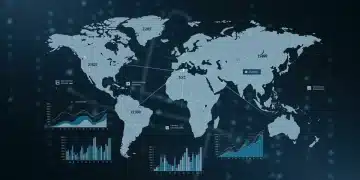
World Bank 2025 Outlook: US Investment Repercussions
The World Bank's 2025 economic outlook predicts significant shifts in global growth, directly impacting U.S. investments abroad through evolving market conditions, policy changes, and risk profiles across various regions.
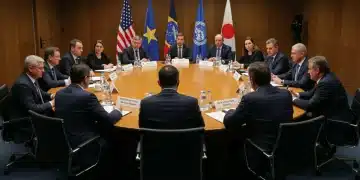
U.S. Role in Conflict Resolution: 2025 Diplomatic Initiatives
The U.S. role in international conflict resolution in 2025 will focus on proactive diplomacy, multilateral engagement, and strategic partnerships to address emerging global threats and foster lasting peace.
AI Geopolitics: What U.S. Citizens Need to Know Now
The geopolitical landscape of AI development is rapidly evolving, demanding U.S. citizens' attention to its profound implications on national security, economic stability, and daily life in the coming year.
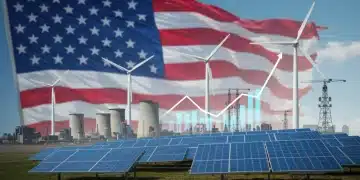
Economic Implications of Global Energy Transitions for the U.S. by 2030
The global energy transition presents significant economic implications for the U.S. by 2030, influencing job markets, technological innovation, investment flows, and international competitiveness as the nation shifts towards sustainable energy sources.

Global Food Security Challenges: U.S. Policy in 2025
In 2025, U.S. agricultural policy faces complex global food security challenges, demanding innovative strategies to ensure a stable and sustainable food supply for both domestic and international populations.

U.S. Alliances: Shaping Global Future in the Next Decade
The future of U.S. international alliances is critical for global stability, requiring adaptive strategies to address evolving geopolitical landscapes, technological advancements, and new security challenges in the coming decade.

U.S. Supply Chain Realignments: What to Expect Next 18 Months
The U.S. faces significant global supply chain realignments in the next 18 months, driven by geopolitical tensions, technological innovation, and sustainability demands, impacting manufacturing, logistics, and consumer markets.

Global Migration Patterns: Influencing U.S. Policy Debates 2025
Global migration patterns are increasingly shaping U.S. domestic policy debates, influencing economic strategies, social programs, and national security discussions as the nation approaches 2025.

Combating Transnational Crime: U.S. Strategies 2025
The U.S. is refining its approach to transnational crime for 2025 and beyond, emphasizing global partnerships, innovative technologies, and flexible legal frameworks to counter evolving threats effectively.
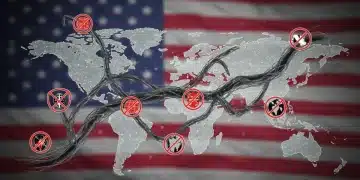
Navigating International Sanctions: 3 Key Financial Impacts for U.S. Businesses in 2025
International sanctions are poised to significantly reshape the financial landscape for U.S. businesses in 2025, primarily through escalating compliance costs, restricted market access, and profound supply chain vulnerabilities, demanding proactive strategic adjustments.