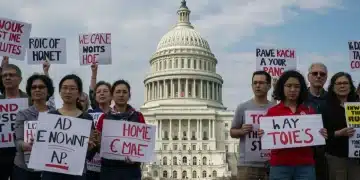
COBRA Subsidy Changes 2026: Extend Health Coverage 18 Months

Advertisements
As of August 2026, there is COBRA subsidy program comparable to the temporary American Rescue Plan assistance, which covered eligible premiums only from April through September 2021. Current federal guidance instead continues the standard COBRA framework.
For most workers who lose employer-sponsored coverage because of termination or reduced hours, COBRA can generally continue the same group health coverage for up to 18 months. Beneficiaries may have to pay the full premium, and plans may generally charge up to 102% of the applicable cost.
What readers should monitor next is not a confirmed “2026 subsidy change,” but any new federal legislation, employer contributions, and Marketplace alternatives that could reduce coverage costs. CMS also notes that losing employer coverage may qualify consumers for a Marketplace Special Enrollment Period, where eligible households may receive premium tax credits.
Understanding COBRA Subsidy Changes 2026
As 2026 approaches, individuals relying on COBRA for their health coverage are closely watching for updates regarding potential subsidy adjustments. These changes could significantly impact the affordability and accessibility of extended health benefits for many Americans.
The Consolidated Omnibus Budget Reconciliation Act (COBRA) allows certain workers and their families to continue group health benefits provided by their group health plan for a limited period after job loss or other qualifying events. Subsidies, when available, can make this coverage more financially manageable.
Discussions around the future of these subsidies are ongoing, with various proposals being considered to either extend, modify, or sunset existing provisions. Staying informed about these developments is essential for effective personal health planning.
The Landscape of COBRA Eligibility and Duration

COBRA generally allows for an 18-month extension of health coverage, though in some specific circumstances, it can extend to 29 or even 36 months. This period is crucial for individuals transitioning between jobs or facing other life changes that affect their employer-sponsored health plans.
Eligibility for COBRA hinges on several factors, including the size of the former employer’s health plan and the nature of the qualifying event. Understanding these parameters is the first step in determining if COBRA is a viable option for continued health insurance.
The cost of COBRA, however, can be prohibitive, often requiring beneficiaries to pay the full premium plus an administrative fee, which is where subsidies have historically played a vital role in making coverage affordable.
Impact of Expiring or Modified Subsidies
The expiration or modification of COBRA subsidies in 2026 could lead to a substantial increase in out-of-pocket costs for those electing COBRA. This financial burden may force some individuals to forgo coverage or seek less comprehensive alternatives.
Without adequate subsidies, the gap between employer-sponsored plan costs and COBRA premiums widens significantly, creating a challenging situation for many. This is particularly true for individuals with ongoing medical needs or those supporting families.
Policymakers are weighing the economic implications of these changes against the need for fiscal responsibility and broader healthcare access. The outcome will directly influence how individuals manage their health insurance in the coming years.
Key Legislative Discussions Around 2026
Legislators are currently engaged in critical discussions regarding the future of healthcare subsidies, including those related to COBRA. These deliberations involve various stakeholders, from healthcare advocates to economic advisors, each presenting different perspectives on the optimal path forward.
The primary focus of these legislative efforts is to balance the need for affordable healthcare with the fiscal realities of government spending. Any decision made will have far-reaching consequences for millions of Americans who rely on these programs.
As 2026 approaches, the urgency for a definitive resolution increases, as individuals and employers need clarity to plan their future healthcare strategies. The outcome will shape the landscape of health coverage for years to come.
Proposals for COBRA Subsidy Continuation or Replacement
Several proposals are on the table, ranging from extending the current subsidy structures to implementing new, more targeted assistance programs. These proposals aim to address concerns about affordability and access to care.
- Some proposals advocate for direct extensions of existing COBRA subsidies, maintaining the current level of financial support for beneficiaries.
- Other discussions involve creating new mechanisms for premium assistance, possibly tied to income levels or specific hardship criteria.
- There are also considerations for integrating COBRA support into broader Affordable Care Act (ACA) subsidy frameworks, offering a more unified approach to health insurance affordability.
Each proposal carries its own set of advantages and disadvantages, impacting different demographic groups in unique ways. The final legislative package will likely be a compromise reflecting various political and economic considerations.
Political and Economic Factors Influencing Decisions
The political climate and prevailing economic conditions are significant drivers in these legislative debates. Budgetary constraints, election cycles, and public sentiment all play a role in shaping policy outcomes.
- Economic forecasts regarding inflation and employment rates influence the perceived need for continued government subsidies in healthcare.
- The political will to prioritize healthcare affordability versus deficit reduction will largely determine the direction of future legislation.
- Advocacy groups and industry lobbies are actively engaged, presenting their cases to lawmakers and influencing public opinion on these critical issues.
The interplay of these factors makes predicting the exact nature of COBRA Subsidy Changes 2026 a complex task, but continuous monitoring of legislative sessions and public statements provides valuable insights.
Navigating Your Health Coverage Options Post-2026
With potential COBRA Subsidy Changes 2026 on the horizon, it is paramount for individuals to understand all available health coverage options. Proactive planning can mitigate the impact of increased costs or altered eligibility requirements.
Exploring alternatives to COBRA, such as marketplace plans, Medicaid, or employer-sponsored coverage for a new job, becomes even more critical. Each option has unique benefits, costs, and eligibility criteria that warrant careful consideration.
The goal is to ensure continuous, affordable, and comprehensive health coverage, regardless of changes to COBRA subsidies. This requires a thorough assessment of personal circumstances and available resources.
Alternatives to COBRA: Marketplace and Medicaid
The Affordable Care Act (ACA) marketplace offers a range of health plans, often with subsidies available based on income, which could become a more attractive option if COBRA subsidies diminish. These plans provide comprehensive benefits and vary in cost and coverage levels.
Medicaid, a joint federal and state program, provides health coverage to millions of Americans, including eligible low-income adults, children, pregnant women, elderly adults, and people with disabilities. Eligibility varies by state, and it can be a vital safety net for those who qualify.
Understanding the enrollment periods, eligibility requirements, and plan offerings of both the marketplace and Medicaid is crucial for comparing them against COBRA. These alternatives might offer more sustainable long-term solutions for many individuals.
Strategies for Maintaining Affordable Coverage
Developing a robust strategy for maintaining affordable health coverage requires research and foresight. This includes understanding potential future costs and actively seeking out the best value for your healthcare dollar.
- Regularly review your health insurance needs and compare them against available plans on the marketplace or through other programs.
- Consult with a qualified health insurance broker or navigator who can help you understand complex policy details and eligibility criteria.
- Explore employer-sponsored plans if you anticipate new employment, as these often provide the most comprehensive and cost-effective coverage.
Proactive engagement with these options can ensure that even with COBRA Subsidy Changes 2026, you remain adequately protected without incurring undue financial strain.
Employer Responsibilities and Employee Communications
Employers play a crucial role in informing their departing employees about their COBRA rights and any associated subsidies. Clear and timely communication is vital, especially with the anticipated COBRA Subsidy Changes 2026.
Companies are legally obligated to provide specific notices to employees regarding their COBRA eligibility and election periods. Ensuring these communications are accurate and comprehensive becomes even more important as policy details evolve.
Proactive employers will begin preparing for COBRA Subsidy Changes 2026 by updating their internal policies and communication materials to reflect potential new regulations or the expiration of current provisions.
Ensuring Timely and Accurate COBRA Notices
The Department of Labor (DOL) sets strict guidelines for COBRA notices, specifying when and how they must be provided to eligible individuals. Employers must adhere to these regulations to avoid penalties and ensure beneficiaries are fully informed.
As the potential for COBRA Subsidy Changes 2026 looms, employers should review their notice templates and processes to ensure they accurately reflect the current and anticipated future landscape of subsidies. This includes detailing any assistance programs that may be available.
Failure to provide timely and accurate COBRA notices can result in significant legal and financial repercussions for employers, underscoring the importance of meticulous adherence to regulatory requirements.
Preparing for Administrative Adjustments
Employers and their benefits administrators will need to make significant administrative adjustments in response to COBRA Subsidy Changes 2026. This includes updating payroll systems, benefits administration software, and internal training for HR staff.
Forecasting the impact of these changes on benefit costs and administrative burdens is a key task for human resources departments. They must prepare for potential increases in inquiries from former employees about their coverage options and costs.
Developing clear internal guidelines and FAQs for employees can help manage expectations and provide consistent information. This proactive approach ensures a smoother transition for both the organization and its former employees.
The Role of Government Agencies and Oversight
Government agencies, including the Department of Labor (DOL) and the Internal Revenue Service (IRS), are instrumental in overseeing COBRA regulations and any associated subsidies. Their guidance and enforcement ensure compliance and protect beneficiary rights.
These agencies are responsible for interpreting new legislation, issuing clarifying regulations, and providing resources for both employers and individuals. Their ongoing involvement is critical as the discussion around COBRA Subsidy Changes 2026 progresses.
Individuals and employers alike should monitor official publications and announcements from these bodies for the most accurate and up-to-date information regarding COBRA and its financial assistance programs.
DOL and IRS Guidance on COBRA Subsidies
The DOL and IRS periodically issue guidance documents, FAQs, and enforcement actions related to COBRA, including any special enrollment periods or subsidy programs. This information is vital for understanding compliance requirements and beneficiary rights.
As 2026 approaches, both agencies are expected to release specific guidance addressing the COBRA Subsidy Changes 2026, outlining what employers must do and what individuals can expect. This will be a primary source of official information.
Staying abreast of these official pronouncements is essential for both parties to ensure they are operating within the legal framework and maximizing available benefits or adhering to regulatory obligations.
Ensuring Compliance and Protecting Beneficiaries
Government agencies play a critical role in ensuring that employers comply with COBRA regulations and that beneficiaries receive the protections and information they are entitled to. This oversight is crucial for maintaining fairness and access to health coverage.
In the context of COBRA Subsidy Changes 2026, these agencies will be vigilant in monitoring employer practices and addressing any instances of non-compliance or misinformation. Their enforcement actions serve as a deterrent against unlawful practices.
Beneficiaries who believe their COBRA rights have been violated or who have questions about subsidy eligibility can often turn to the DOL or state insurance departments for assistance and clarification.
Personal Financial Planning for Health Coverage
Effective personal financial planning is indispensable when facing potential COBRA Subsidy Changes 2026. Understanding your budget and potential healthcare costs can help you make informed decisions about your coverage.
Individuals should begin assessing their current healthcare spending and anticipate how changes in COBRA subsidies might affect their financial outlook. This proactive approach allows for adjustments to savings or spending habits.
Considering all aspects of personal finance, from emergency funds to long-term savings, in conjunction with healthcare planning, ensures a more secure financial future, even amidst policy shifts.
Budgeting for Healthcare Costs in 2026
Creating a detailed budget that accounts for potential increases in health insurance premiums and out-of-pocket medical expenses is a critical step. This budget should factor in the full cost of COBRA if subsidies are reduced or eliminated.
Exploring high-deductible health plans (HDHPs) with health savings accounts (HSAs) might be a viable strategy for some, offering tax advantages and a way to save for future medical costs. However, this depends on individual health needs and risk tolerance.
Regularly reviewing and adjusting your healthcare budget in response to new information regarding COBRA Subsidy Changes 2026 will help maintain financial stability and ensure access to necessary medical care.
Seeking Professional Financial Advice
For complex financial situations or those feeling overwhelmed by the impending changes, seeking advice from a qualified financial advisor can be highly beneficial. They can help navigate the intricacies of healthcare financing and integration with overall financial goals.
A financial planner can provide personalized strategies, compare different health insurance options from a cost-benefit perspective, and help you allocate resources effectively. Their expertise can be invaluable in making optimal decisions.
Especially when considering the long-term implications of COBRA Subsidy Changes 2026, professional guidance can offer clarity and peace of mind, ensuring your financial and health well-being are both adequately addressed.
Future Outlook and Long-Term Implications
The COBRA Subsidy Changes 2026 will undoubtedly have long-term implications for the American healthcare landscape. These adjustments could reshape how individuals view job transitions and their access to affordable health insurance.
The policy decisions made in the coming months will set precedents for future healthcare legislation and potentially influence the design of employer-sponsored benefit plans. This ripple effect extends beyond just COBRA beneficiaries.
Understanding these broader trends and their potential impact is crucial for both individuals and organizations to adapt and thrive in an evolving healthcare environment. The changes are not just about 2026 but about the future trajectory of health benefits.
Potential for Further Healthcare Reform

The discussions surrounding COBRA Subsidy Changes 2026 could serve as a catalyst for broader healthcare reform. Lawmakers may use this opportunity to address other systemic issues within the U.S. healthcare system.
Areas such as the affordability of prescription drugs, the expansion of marketplace subsidies, or even a push for public health insurance options might gain momentum. The debate around COBRA is part of a larger conversation about healthcare access.
Keeping an eye on these wider legislative efforts will provide context for the COBRA changes and offer insights into the long-term direction of healthcare policy in the United States.
Adapting to an Evolving Benefits Landscape
Both individuals and employers must cultivate adaptability to navigate an evolving benefits landscape successfully. This includes staying informed, re-evaluating strategies, and embracing new solutions as they emerge.
For individuals, this means continuously assessing personal health needs against available coverage options and being prepared to adjust plans. For employers, it involves designing flexible benefit packages that can withstand policy shifts and attract talent.
The ability to adapt quickly and strategically to changes like COBRA Subsidy Changes 2026 will be a defining characteristic of successful health planning in the coming years, underscoring the importance of ongoing vigilance and education.
| Key Point | Brief Description |
|---|---|
| Subsidy Expiration | COBRA subsidies may expire or change significantly by 2026, impacting affordability. |
| Coverage Duration | Standard COBRA coverage extends for 18 months post-qualifying event. |
| Alternative Options | Explore marketplace plans (ACA) or Medicaid as potential alternatives. |
| Proactive Planning | Begin financial planning and research options now to mitigate future costs. |
Frequently Asked Questions About COBRA Subsidy Changes 2026
The primary changes involve the potential expiration or modification of federal subsidies that have previously helped reduce the cost of COBRA premiums. This could lead to beneficiaries paying the full premium plus administrative fees, significantly increasing out-of-pocket expenses for continued coverage.
Typically, COBRA allows you to extend your health coverage for 18 months after a qualifying event like job loss. In certain situations, such as disability or other specific qualifying events, this period can be extended to 29 or even 36 months, depending on the circumstances.
If COBRA subsidies end, consider exploring health plans on the Affordable Care Act (ACA) marketplace, which may offer income-based subsidies. Medicaid is another option for eligible low-income individuals. Employer-sponsored plans through new employment also provide comprehensive coverage.
Definitive information will likely emerge as legislative discussions conclude and government agencies like the DOL and IRS issue official guidance. Monitoring congressional activity and official announcements from these bodies will provide the most up-to-date and accurate details regarding the changes.
Employers should proactively review and update their COBRA notice templates and internal communication strategies. They must also prepare for potential administrative adjustments in payroll and benefits systems to accurately reflect any new regulations or the absence of previous subsidy provisions.
Looking Ahead
The anticipated COBRA Subsidy Changes 2026 represent a significant juncture for healthcare planning in the United States. These modifications will compel individuals and employers to re-evaluate their approaches to health coverage and financial preparedness.
Staying informed through official channels and engaging in proactive planning will be paramount to navigating this evolving landscape successfully.
The decisions made regarding these subsidies will not only affect immediate costs but also set a precedent for future healthcare policy and access.