Future of Healthcare Legislation 2026: Debates & Families

Advertisements
The 2026 U.S. Healthcare Legislation debate is centered on affordability, insurance coverage, and the implementation of major Medicaid and Affordable Care Act policy changes. Families are watching how reduced marketplace assistance, eligibility rules, and state implementation decisions affect premiums and access to care.
Prescription drug costs and Medicare policy are also receiving close attention. Negotiated prices for the first ten Medicare drugs took effect on January 1, 2026, while CMS is conducting another negotiation cycle covering additional Part D and, for the first time, Part B drugs.
Readers should monitor congressional proposals, state Medicaid preparations, ACA enrollment and premium trends, and CMS drug-pricing rules. These developments may influence household insurance costs, eligibility, prescription expenses, and access to medical services over the coming years.
Understanding the Looming 2026 Healthcare Legislation Debates
The year 2026 marks a significant juncture for healthcare policy, driven by various sunset provisions, evolving economic conditions, and persistent public demand for more affordable and accessible care. Policymakers are already laying the groundwork for what promises to be intense and far-reaching discussions.
These debates will inevitably touch upon the core tenets of the American healthcare system, including the Affordable Care Act (ACA), Medicare, Medicaid, and prescription drug pricing. The outcomes will directly influence millions of American families, making these discussions essential to follow.
As the political calendar progresses, the intensity surrounding the 2026 Healthcare Legislation Debates will only grow, demanding informed attention from citizens, healthcare providers, and industry stakeholders alike.
Key Drivers Behind the Policy Push

Several factors converge to make the 2026 Healthcare Legislation Debates particularly urgent. The rising cost of healthcare, persistent disparities in access, and the aging American population are all exerting pressure for systemic changes.
Additionally, certain provisions from previous legislation are set to expire, creating a legislative vacuum that will necessitate new policy formulations. This expiration date provides a natural impetus for comprehensive reviews and potential overhauls.
Technological advancements in medicine and treatment also play a role, introducing new considerations for coverage and regulatory frameworks within the context of the 2026 Healthcare Legislation Debates.
- ACA Provisions: Certain subsidies and market stabilization measures introduced by the Affordable Care Act are on the table for review, potentially altering premium costs and coverage options.
- Medicare Solvency: Long-term fiscal sustainability of Medicare remains a critical concern, prompting discussions around eligibility, benefits, and funding mechanisms.
- Prescription Drug Costs: Public outcry over high drug prices continues to fuel legislative efforts to control costs, with new proposals expected to emerge during the 2026 discussions.
Potential Impacts on American Families
The outcomes of the 2026 Healthcare Legislation Debates will reverberate directly through American households, influencing their financial stability and health security. Families could see significant changes in their insurance premiums, out-of-pocket expenses, and the scope of services covered.
Access to specialized doctors, mental health services, and long-term care facilities might also be altered, depending on the policy directions taken. These are not abstract concepts but concrete realities for families planning their healthcare budgets and future medical needs.
Moreover, the debates will likely address preventative care and public health initiatives, which have a broad impact on community well-being and the overall health of American families.
Insurance Coverage and Affordability
One of the most immediate concerns for families is how the 2026 Healthcare Legislation Debates will affect insurance coverage and its affordability. Proposals could range from expanding subsidies to introducing new public options or even repealing existing mandates.
Any changes to the ACA’s exchange structure or Medicaid expansion could dramatically shift who has access to affordable coverage. Families often juggle high deductibles and co-pays, and these debates will directly address those burdens.
The push for greater transparency in pricing and negotiations with pharmaceutical companies also aims to reduce the financial strain on families, a key focus within the 2026 Healthcare Legislation Debates.
Key Stakeholders and Their Agendas
The 2026 Healthcare Legislation Debates will involve a complex ecosystem of stakeholders, each with distinct interests and considerable lobbying power. Understanding these players is essential to predicting the trajectory of policy outcomes.
From pharmaceutical companies to insurance providers, patient advocacy groups to healthcare workers’ unions, every entity will vie for influence. Their collective actions will shape the final legislative language and its implementation.
Political parties will also play a crucial role, with their differing ideologies on government intervention versus market-based solutions heavily influencing the tone and direction of the 2026 Healthcare Legislation Debates.
- Pharmaceutical Industry: Advocates for patent protection and research incentives, often opposing stricter price controls.
- Insurance Companies: Seek regulatory environments that allow for profitable operations while managing risk and expanding market share.
- Patient Advocacy Groups: Push for expanded access, lower costs, and coverage for specific conditions, representing the direct interests of consumers within the 2026 Healthcare Legislation Debates.
The Role of Technology and Innovation
Technological advancements are rapidly transforming healthcare delivery, and the 2026 Healthcare Legislation Debates must grapple with integrating these innovations into policy. Telemedicine, AI-driven diagnostics, and precision medicine offer immense potential for improving care and efficiency.
However, these advancements also raise questions about data privacy, equitable access to new technologies, and the regulatory frameworks needed to ensure safety and effectiveness. Legislators will need to balance fostering innovation with protecting patient interests.
The debates will explore how to incentivize technological adoption while preventing it from exacerbating existing healthcare disparities, a critical aspect of the 2026 Healthcare Legislation Debates.
Digital Health and Data Privacy Concerns
The proliferation of digital health tools and electronic health records brings significant benefits but also substantial privacy challenges. Lawmakers during the 2026 Healthcare Legislation Debates will need to address how patient data is collected, stored, and shared.
Robust data security measures and clear consent protocols will be paramount to building public trust in digital health initiatives. The balance between data utility for research and individual privacy rights will be a core discussion point.
Ensuring that all Americans, regardless of socioeconomic status, can benefit from digital health advancements without compromising their privacy is a complex task for the 2026 Healthcare Legislation Debates.
Addressing Healthcare Disparities
A central theme in the 2026 Healthcare Legislation Debates will undoubtedly be the persistent disparities in healthcare access and outcomes across different demographic groups and geographic regions. Policy proposals are expected to target these inequities head-on.
Efforts to expand access to care in rural and underserved urban areas, improve maternal health outcomes for minority populations, and address systemic biases in treatment will be high on the legislative agenda. These are critical areas for American families.
The debates will seek to identify effective strategies for promoting health equity, ensuring that everyone has a fair and just opportunity to attain their highest level of health, a core principle of the 2026 Healthcare Legislation Debates.
Rural Health Challenges
Rural communities face unique challenges in accessing healthcare, including provider shortages, limited specialized services, and long travel distances. The 2026 Healthcare Legislation Debates will likely include proposals specifically designed to bolster rural health infrastructure.
This could involve increased funding for rural hospitals, incentives for healthcare professionals to practice in underserved areas, and expanded telehealth services. Addressing these gaps is vital for the millions of American families living outside major metropolitan centers.
Ensuring that rural populations receive equitable care is not just a matter of fairness but also a critical component of national health security, making it a key focus for the 2026 Healthcare Legislation Debates.
The Economic Implications of New Legislation
Beyond individual family budgets, the 2026 Healthcare Legislation Debates carry significant economic implications for the entire nation. Healthcare is a massive sector of the U.S. economy, and policy shifts can have ripple effects on employment, innovation, and national spending.
Changes to funding models for Medicare and Medicaid, or reforms to the health insurance market, will influence federal and state budgets. The impact on businesses, particularly small enterprises struggling with employee health costs, will also be a major consideration.
Policymakers will be tasked with balancing the desire for universal access and affordability with the need for fiscal responsibility and economic growth during the 2026 Healthcare Legislation Debates.
Impact on Employers and the Workforce
Employers, particularly those offering health benefits, are keenly watching the 2026 Healthcare Legislation Debates. New mandates or changes to existing regulations could significantly alter their costs and administrative burdens.
The ability of businesses to attract and retain talent is often tied to the quality and affordability of their health plans. Therefore, legislative outcomes could influence labor markets and overall economic competitiveness.
Discussions around employer-sponsored insurance, tax incentives for health benefits, and the role of small business health options will be central to these economic considerations within the 2026 Healthcare Legislation Debates.
Public Opinion and Advocacy
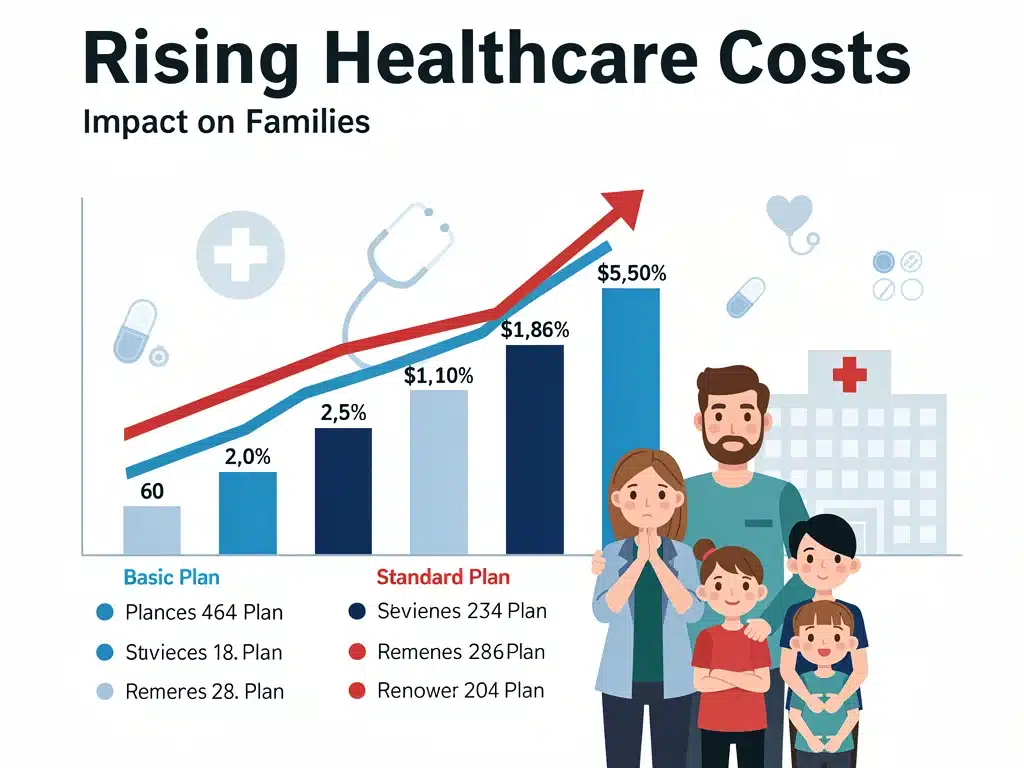
Public opinion will play a crucial role in shaping the 2026 Healthcare Legislation Debates, with advocacy groups and grassroots movements amplifying the voices of American families. Consumer sentiment regarding healthcare costs, quality, and access will exert pressure on lawmakers.
Patient stories and personal experiences often provide powerful narratives that can sway public and political discourse. These human elements are vital in ensuring that policy decisions reflect real-world needs rather than just abstract economic models.
Voter engagement and public discourse will be critical in ensuring that the 2026 Healthcare Legislation Debates truly serve the interests of the populace, not just powerful lobbies.
Grassroots Movements and Patient Voices
Grassroots organizations and patient advocacy networks are already mobilizing to influence the 2026 Healthcare Legislation Debates. These groups represent diverse populations, from those with chronic illnesses to families struggling with medical debt.
Their efforts often involve direct lobbying, public awareness campaigns, and community organizing to highlight specific needs and propose solutions. The power of collective action can be a significant force in legislative processes.
By bringing real-life experiences to the forefront, these groups ensure that the human impact of healthcare policy is not lost amid complex legislative negotiations during the 2026 Healthcare Legislation Debates.
| Key Aspect | Brief Description |
|---|---|
| ACA Changes | Potential adjustments to subsidies and market regulations affecting insurance premiums and coverage. |
| Drug Pricing | Legislative push for cost controls and transparency in prescription drug markets. |
| Medicare Solvency | Discussions on funding, eligibility, and benefits to ensure the program’s long-term viability. |
| Health Equity | Initiatives focused on reducing disparities in access and outcomes for underserved populations. |
Frequently Asked Questions About 2026 Healthcare Legislation Debates
The primary areas of focus include potential changes to the Affordable Care Act, addressing Medicare’s long-term solvency, controlling prescription drug costs, and tackling persistent healthcare disparities. These debates aim to reshape how American families access and afford medical care in the coming years.
Your family’s health insurance could be affected through changes in premium subsidies, alterations to coverage mandates, or the introduction of new public health insurance options. The outcome of the 2026 Healthcare Legislation Debates will directly influence your out-of-pocket costs and benefits.
Technology’s role is significant, with debates covering the integration of telemedicine, AI in diagnostics, and data privacy concerns. Lawmakers are aiming to leverage innovation to improve care while ensuring equitable access and safeguarding patient information within the 2026 Healthcare Legislation Debates.
Key stakeholders include pharmaceutical companies, health insurance providers, patient advocacy groups, healthcare worker unions, and various political factions. Each group brings its agenda and lobbying power to bear on the 2026 Healthcare Legislation Debates, shaping the final policy outcomes.
Families can stay informed by following reputable news sources like GransNews.com, engaging with patient advocacy groups, and contacting their elected representatives. Active participation in public discourse ensures that family concerns are heard during the critical 2026 Healthcare Legislation Debates.
Looking Ahead: What the 2026 Healthcare Legislation Debates Mean for American Families
The upcoming 2026 Healthcare Legislation Debates are not merely bureaucratic exercises; they are crucial discussions that will define the future of health and financial security for millions of American families. The outcomes will shape everything from the cost of a doctor’s visit to the availability of life-saving treatments.
As these debates intensify, it is imperative for citizens to remain informed, understand the various proposals, and engage with their elected officials. The decisions made in the coming years will have lasting implications on the nation’s health infrastructure and individual well-being.
GransNews.com will continue to provide timely updates and in-depth analysis, empowering our readers to navigate the complexities of the 2026 Healthcare Legislation Debates and understand their direct impact on American families.