The 2026 Farm Bill: New Agricultural Policies Impacting Consumers and Producers
Advertisements
Latest developments on The 2026 Farm Bill show that the House passed H.R. 7567, the Farm, Food, and National Security Act of 2026, on April 30, 2026, by a 224–200 vote. The bill covers agriculture, nutrition, conservation, rural development, research, and energy programs, but final passage still depends on Senate action and broader negotiations.
The bill matters because it could shape farm supports, SNAP policy, conservation programs, rural infrastructure, and food-system investment through 2031. Reports note provisions affecting county priorities, conservation and land stewardship, agricultural credit, food assistance, and rural development, while debate continues over costs, nutrition rules, environmental protections, and producer support.
What to watch next: Senate negotiations, amendments, SNAP provisions, conservation funding, commodity-support rules, and the September 30, 2026 expiration deadline for the current Farm Bill extension. Consumers should monitor food-price and nutrition-program impacts, while producers should track USDA implementation guidance, credit provisions, disaster aid, and conservation-program eligibility.
Overview of the 2026 Farm Bill’s Core Objectives
The upcoming 2026 Farm Bill aims to address evolving challenges within the agricultural sector, including climate change impacts, global market fluctuations, and food security concerns. Policymakers are working to craft a bill that balances the needs of producers with the interests of consumers and environmental stewardship.
Key objectives often revolve around strengthening safety nets for farmers, promoting sustainable farming practices, and ensuring access to nutritious food for vulnerable populations. These goals reflect a growing awareness of agriculture’s interconnectedness with broader societal and environmental issues.
The legislative process involves extensive debate and negotiation among diverse interest groups, from commodity organizations to environmental advocates. The resulting compromise will define the framework for American agriculture for years to come, influencing everything from farm profitability to food prices.
Potential Shifts in Commodity Programs and Farmer Subsidies
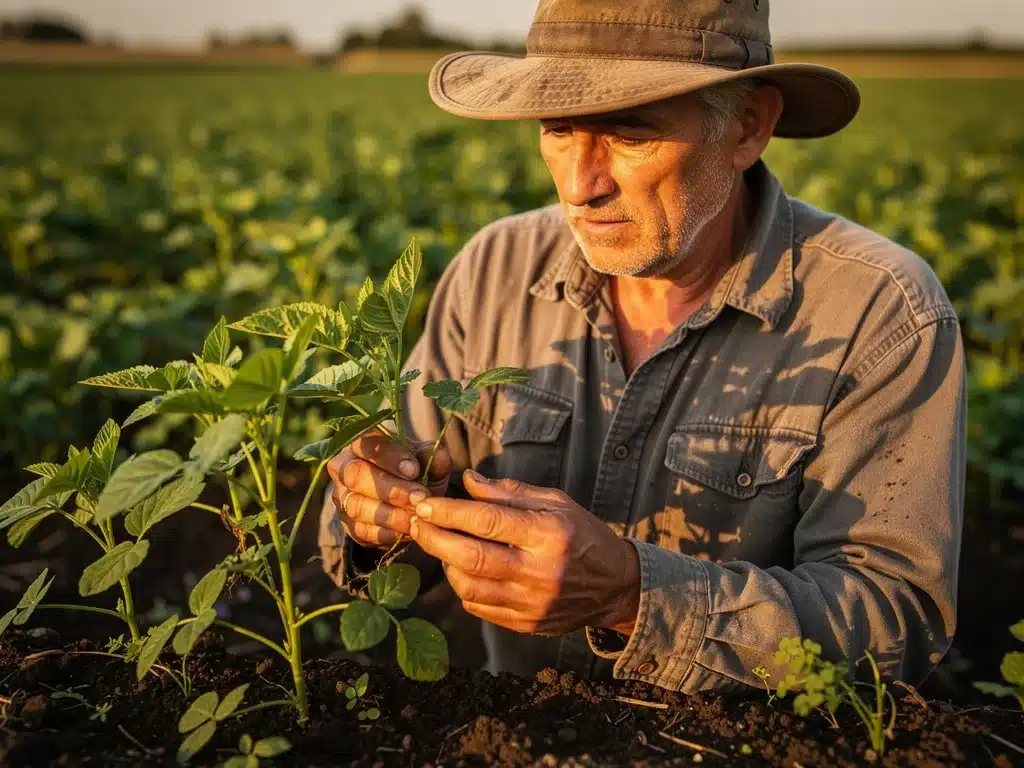
One of the most significant components of any farm bill is its commodity programs, which provide financial support and risk management tools to farmers. The 2026 Farm Bill is expected to review and potentially revise these programs in light of recent economic trends and market volatility.
Discussions are focusing on whether to adjust reference prices for key crops, modify crop insurance offerings, or introduce new mechanisms to protect farmers from price downturns and natural disasters. These decisions directly affect the financial stability of agricultural operations across the country.
Producers are closely watching these debates, as changes to subsidies can significantly impact their planting decisions, operational budgets, and overall profitability. Consumers, in turn, may see indirect effects on food prices and the availability of certain agricultural products depending on the support structures put in place.
Adapting to Market Demands and Global Competition
The global agricultural landscape is constantly shifting, with new technologies, trade agreements, and consumer preferences influencing demand. The 2026 Farm Bill must consider these dynamics to ensure American farmers remain competitive.
Policymakers are exploring ways to incentivize the production of crops that align with current market trends, such as organic produce or specialty grains. Support for research and development into new agricultural technologies is also a critical area of focus.
- Emphasis on market-driven production incentives
- Investments in agricultural research and innovation
- Measures to enhance export opportunities for U.S. farm products
- Support for diversification of agricultural revenue streams
These adjustments are designed to help farmers adapt to changing market conditions and reduce reliance on traditional commodity crops. The goal is to foster a more resilient and responsive agricultural sector capable of meeting future challenges.
Conservation and Environmental Stewardship Initiatives
Conservation programs are another cornerstone of the Farm Bill, offering financial and technical assistance to farmers for adopting environmentally friendly practices. The 2026 Farm Bill is anticipated to expand and refine these initiatives, reflecting a heightened focus on climate change and natural resource protection.
Proposals include increased funding for programs that promote soil health, water quality, and wildlife habitat preservation, as well as incentives for reducing greenhouse gas emissions. These efforts are crucial for ensuring the long-term sustainability of agricultural lands.
Farmers adopting these practices often benefit from improved soil fertility, reduced input costs, and enhanced resilience to extreme weather events. The environmental benefits extend to all citizens, contributing to cleaner air and water and a healthier ecosystem.
Expanding Climate-Smart Agriculture Practices
The concept of climate-smart agriculture is gaining traction, emphasizing practices that both mitigate and adapt to climate change while enhancing productivity. The 2026 Farm Bill is expected to feature robust support for these approaches.
This includes funding for cover cropping, no-till farming, and precision agriculture technologies that optimize resource use. These practices not only benefit the environment but also offer economic advantages to producers through efficiency gains.
- Incentives for adoption of regenerative agriculture techniques
- Funding for carbon sequestration and emissions reduction projects
- Support for renewable energy development on farms
- Technical assistance for implementing climate-resilient farming systems
The integration of climate-smart initiatives within the 2026 Farm Bill underscores a commitment to a more sustainable and environmentally conscious agricultural future. This aligns with broader national and international environmental goals.
Impacts on Nutrition Assistance Programs for Consumers
Beyond farming, the Farm Bill is a critical piece of legislation for food security in the United States, primarily through its funding of nutrition assistance programs like the Supplemental Nutrition Assistance Program (SNAP). The 2026 Farm Bill will undoubtedly spark intense debate over the future of these vital programs.
Advocates for combating food insecurity are pushing for increased funding and expanded eligibility criteria to ensure that more Americans have access to healthy food. Conversely, some lawmakers may seek to impose stricter requirements or reduce overall spending.
The outcome of these discussions will directly affect millions of low-income individuals and families, influencing their ability to afford nutritious meals. Changes to SNAP and other programs can have profound ripple effects on local economies and public health outcomes.
The balance struck in the 2026 Farm Bill regarding nutrition programs will be a key indicator of its overall societal impact. It reflects the nation’s commitment to supporting its most vulnerable citizens while also considering fiscal responsibilities.
Rural Development and Infrastructure Investments
The Farm Bill also plays a crucial role in fostering economic growth and improving the quality of life in rural communities across the United States. The 2026 Farm Bill is expected to continue supporting various rural development initiatives, from broadband expansion to business development loans.
Investments in rural infrastructure, such as water systems, healthcare facilities, and transportation networks, are vital for attracting new businesses and retaining residents. These provisions help bridge the gap between urban and rural opportunities.
Ensuring that rural areas have access to high-speed internet, for example, is increasingly essential for modern farming operations, remote work, and educational opportunities. The 2026 Farm Bill seeks to address these disparities and promote equitable development.
Supporting Rural Businesses and Job Creation
Beyond direct infrastructure, the Farm Bill often includes programs designed to stimulate economic activity in rural areas. These can range from grants for value-added agricultural products to support for small businesses.
The goal is to diversify rural economies beyond traditional farming, fostering job creation and sustainable growth. The 2026 Farm Bill will likely explore new avenues for supporting entrepreneurs and local enterprises in these communities.
- Funding for rural broadband deployment and digital literacy programs
- Grants and loans for small businesses and cooperatives in rural areas
- Support for renewable energy projects in rural communities
- Programs to enhance access to healthcare and education in remote regions
These efforts are critical for ensuring that rural America remains a vibrant and economically viable part of the national landscape, directly influencing the well-being of producers and their communities.
Research and Extension Funding for Agricultural Innovation
Agricultural research and extension services are fundamental to driving innovation, improving productivity, and addressing emerging challenges in farming. The 2026 Farm Bill will allocate significant funding to these areas, supporting scientific advancements and knowledge dissemination.
Investments in research help develop new crop varieties, pest control methods, and farming technologies that can increase yields and reduce environmental impact. Extension services then translate this research into practical applications for farmers.
This continuous cycle of research and application is crucial for maintaining the competitiveness of American agriculture and ensuring a resilient food supply. The 2026 Farm Bill aims to bolster these foundational pillars.
Advancing Sustainable and Efficient Farming Practices
A key focus of research funding in the upcoming Farm Bill is on developing more sustainable and efficient farming techniques. This includes precision agriculture, which uses data and technology to optimize resource use.
Research into drought-resistant crops, alternative fertilizers, and integrated pest management systems will also receive significant attention. These innovations are vital for addressing the challenges posed by climate change and resource scarcity.
The 2026 Farm Bill recognizes that investing in science and education is paramount for the long-term health and prosperity of the agricultural sector, benefiting both producers through improved methods and consumers through a stable food supply.
Anticipated Debates and Political Landscape
The legislative journey of the 2026 Farm Bill is rarely smooth, typically involving intense negotiations between various political factions and interest groups. Key areas of contention are expected to include the balance between commodity support and conservation funding, as well as the scope of nutrition assistance.
Lawmakers from different regions often have conflicting priorities, reflecting the diverse agricultural landscapes and economic needs across the country. Bridging these divides requires significant compromise and strategic maneuvering.
The current political climate, with its partisan divides, could make the passage of the 2026 Farm Bill particularly challenging. Stakeholders are preparing for a robust debate that will shape the final contours of this critical legislation.
Key Players and Their Positions on the Farm Bill
Various groups will play influential roles in shaping the 2026 Farm Bill. Agricultural lobbies, environmental organizations, and anti-hunger advocates will all push for their specific interests to be included in the final text.
The House and Senate Agriculture Committees will be central to drafting and debating the bill, with their leadership playing a pivotal role in guiding the process. The administration’s priorities will also heavily influence the direction of the legislation.
- Commodity groups advocating for strong farm safety nets
- Environmental organizations pushing for enhanced conservation measures
- Nutrition advocates seeking to protect and expand food assistance programs
- Rural development coalitions emphasizing infrastructure and economic growth
Understanding the positions of these key players is crucial for anticipating the likely outcomes and compromises that will define the 2026 Farm Bill.
Timeline and Legislative Process for the 2026 Farm Bill
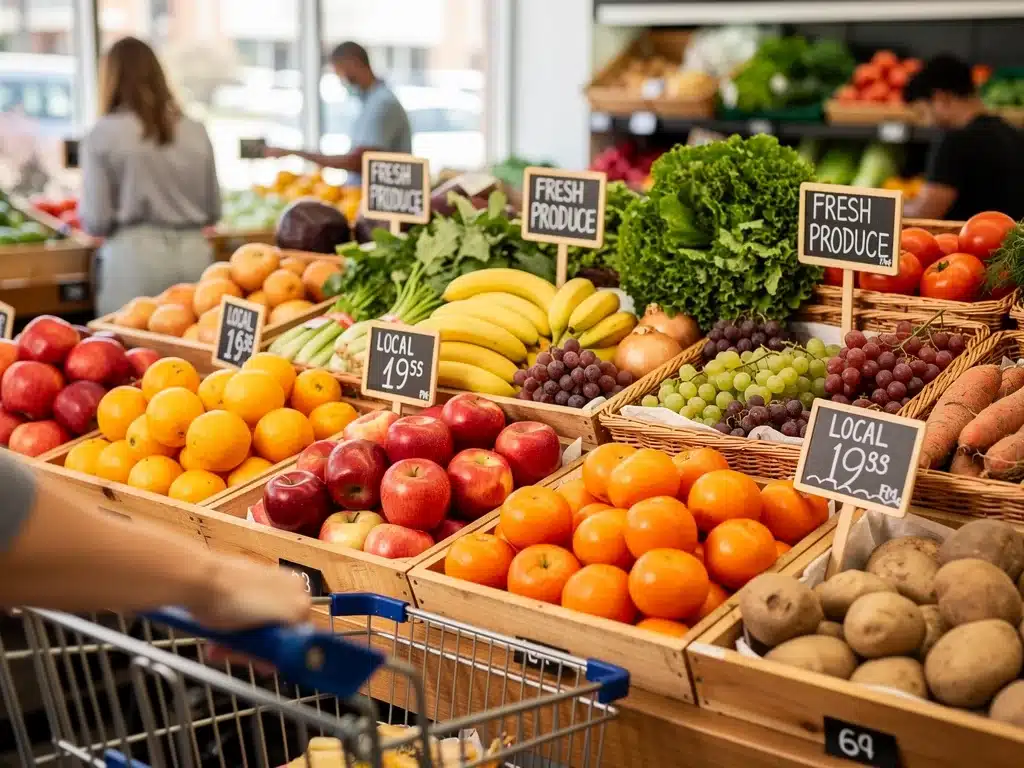
The development and passage of the 2026 Farm Bill follow a predictable, albeit often complex, legislative timeline. While the bill is named for its expected year of enactment, preparatory work and discussions begin well in advance.
Typically, the process involves extensive hearings, stakeholder input, committee markups, and floor votes in both the House and Senate. Disagreements between the two chambers often necessitate a conference committee to reconcile differing versions of the bill.
Delays are not uncommon, and extensions of previous farm bills have occurred when consensus is difficult to achieve. Monitoring this timeline is essential for understanding when key decisions are likely to be made and how they might affect the final legislation.
Crucial Milestones to Watch in the Farm Bill Process
Several pivotal moments will mark the progression of the 2026 Farm Bill. These include the release of initial proposals, committee votes, and ultimately, the final votes in Congress.
Public commentary periods and advocacy efforts will also play a significant role in shaping the bill’s content. The engagement of farmers, consumers, and other interested parties can influence the legislative outcome.
- Congressional hearings and stakeholder listening sessions
- Introduction of initial Farm Bill drafts in both chambers
- Committee markups and votes on specific provisions
- Floor votes in the House of Representatives and the Senate
Staying informed about these milestones will provide valuable insight into the evolving nature of the 2026 Farm Bill and its implications for agriculture and food policy.
| Key Policy Area | Expected Impact |
|---|---|
| Commodity Programs | Revisions to farmer subsidies, risk management, and crop insurance. |
| Conservation Initiatives | Expanded funding for climate-smart agriculture and environmental stewardship. |
| Nutrition Assistance | Potential changes to SNAP funding and eligibility for consumers. |
| Rural Development | Investments in infrastructure, broadband, and economic growth in rural areas. |
Frequently Asked Questions About the 2026 Farm Bill
The 2026 Farm Bill is a comprehensive legislative package that reauthorizes and updates federal agricultural and food policies. Its primary purpose includes providing a safety net for farmers, promoting conservation, funding nutrition assistance programs, and supporting rural development across the United States.
Changes in commodity programs, farmer subsidies, and conservation efforts within the 2026 Farm Bill can indirectly influence food production costs and, subsequently, retail food prices. Additionally, modifications to nutrition assistance programs directly impact consumer purchasing power and food access.
The 2026 Farm Bill is expected to focus heavily on climate-smart agriculture, soil health, water quality, and biodiversity. It aims to fund programs that incentivize farmers to adopt practices that reduce environmental impact and build resilience against climate change.
The 2026 Farm Bill typically includes provisions for rural development, such as funding for broadband internet expansion, loans for rural businesses, and investments in critical infrastructure like healthcare and transportation. These initiatives aim to boost economic vitality and quality of life.
While named the 2026 Farm Bill, the legislative process begins much earlier, often in the preceding year. The timeline involves various stages of debate, committee work, and votes in Congress, with finalization typically expected by the end of 2025 or early 2026, though delays can occur.
Impact and Implications
The unfolding discussions around the 2026 Farm Bill represent a critical juncture for American agriculture and its broader societal connections.
The decisions made will resonate for years, shaping everything from farm profitability and environmental health to food affordability and rural community strength.
Keeping abreast of legislative developments and understanding the nuanced positions of various stakeholders is essential for anticipating the future trajectory of food and farming policy. The final form of the 2026 Farm Bill will be a testament to the nation’s priorities in an ever-changing world.