Middle East Instability: Impact on US Gas & Global Oil by 2026
Advertisements
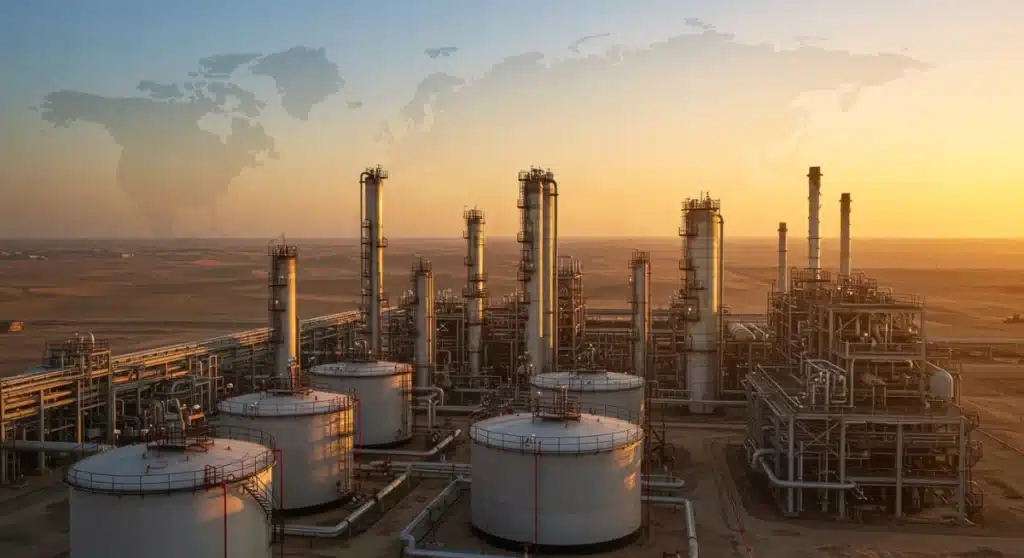
Latest developments on Middle East instability and its impact on U.S. gas prices show that energy markets are under significant pressure due to ongoing geopolitical tensions. Disruptions in key routes like the Strait of Hormuz, responsible for around 20% of global oil supply, are creating immediate supply risks.
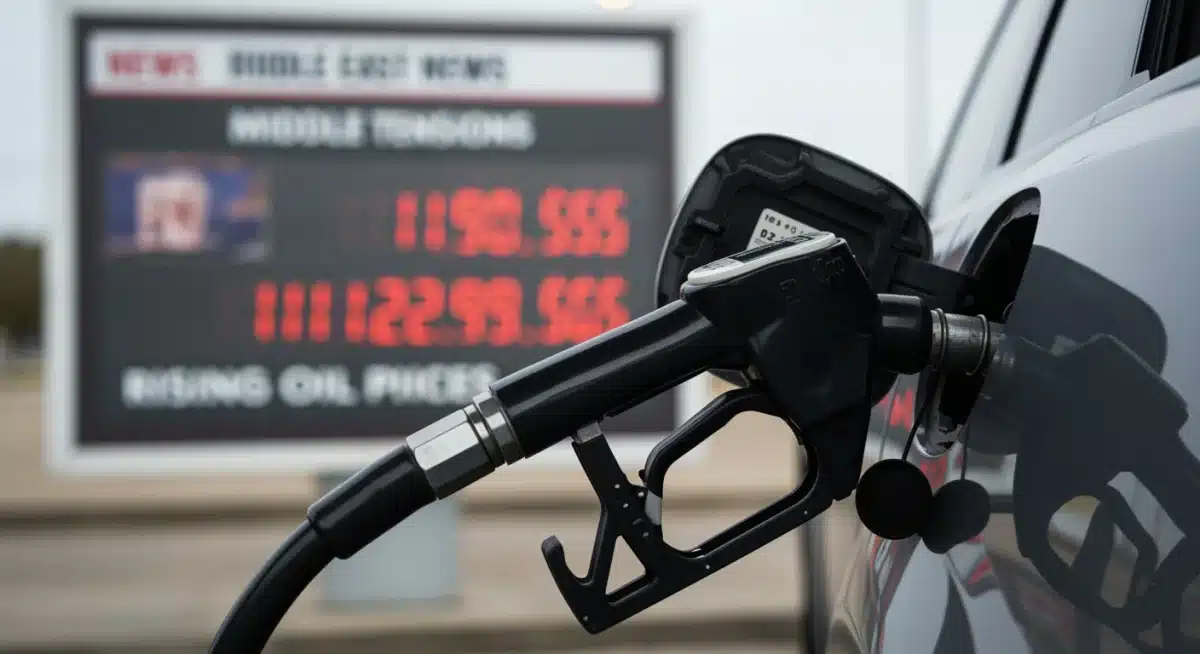
One major impact is the direct increase in oil prices, driven by supply disruptions and added geopolitical risk premiums. Crude prices have surged above $100 per barrel in recent scenarios, with each increase feeding directly into higher gasoline prices in the U.S.
Looking ahead, markets should monitor shipping stability, production levels in Gulf countries, and geopolitical developments. Key risks include prolonged supply constraints, inflationary pressure, and volatility in global energy markets as tensions evolve into 2026.
Geopolitical Volatility and Supply Disruptions
The Middle East remains a critical nexus for global energy, with any significant instability reverberating across international markets. By Spring 2026, intensified regional conflicts or political unrest could directly threaten oil production and export capabilities.
Such disruptions are not merely theoretical; they have a documented history of impacting global oil supply, leading to immediate price surges. Analysts are closely monitoring key oil-producing nations and strategic transit points like the Strait of Hormuz.
Any escalation in hostilities that impacts these areas could severely restrict the flow of crude oil to international buyers. This reduction in supply, even if temporary, would inevitably drive up crude oil prices globally.
For U.S. consumers, this translates directly into higher gas prices, as crude oil accounts for a significant portion of the cost at the pump. The interconnectedness of the global oil market means that even localized disruptions can have far-reaching financial consequences.
Impact on Crude Oil Production
Major oil-producing nations in the Middle East possess vast reserves and production capacities that are crucial for meeting global demand. Political instability or military conflicts can lead to shutdowns or reduced output.
Such events diminish total supply, creating an imbalance between supply and demand. Even the loss of a few million barrels per day can trigger significant price increases in benchmarks like Brent and WTI.
This upward pressure is passed directly to consumers through higher refined fuel costs. Because oil demand is relatively inelastic, price increases tend to have a strong and immediate impact.
Chokepoints and Shipping Lane Security
- The Strait of Hormuz, a narrow waterway between the Persian Gulf and the Arabian Sea, is a vital transit point for a significant portion of the world’s oil supply.
- Threats to shipping in this strait, whether from naval blockades, piracy, or attacks on tankers, can cause extreme volatility in oil prices.
- Alternative routes are often limited or more costly, making the security of these chokepoints a primary concern for global energy markets.
Market Speculation and Investor Sentiment
Beyond physical disruptions, Middle East instability strongly affects market psychology. The mere threat of conflict can trigger speculative buying in oil futures markets.
Investors often react to geopolitical headlines by pricing in future risks, which drives oil prices higher even before supply is impacted. This creates a risk premium embedded in crude prices.
The oil market is highly sensitive to uncertainty, meaning even diplomatic tensions can influence pricing dynamics.
The Role of Futures Contracts
Oil futures contracts allow traders to lock in prices for future delivery. During periods of instability, traders bid up these contracts in anticipation of shortages.
This creates a feedback loop where rising futures prices reinforce expectations of higher spot prices. Companies also hedge against risk, further increasing demand in futures markets.
The interaction between spot and futures markets plays a crucial role in determining both current and expected oil prices.
Investor Confidence and Capital Flows
- Geopolitical instability often leads to a flight of capital from riskier assets, including investments in oil infrastructure and exploration in volatile regions.
- Reduced investment can hinder long-term supply growth, exacerbating potential future shortages and maintaining upward pressure on prices.
- Conversely, periods of perceived stability can attract investment, potentially increasing supply and stabilizing prices over time.
Policy Responses and Strategic Reserves
Governments, particularly in the United States, rely on strategic petroleum reserves to manage supply shocks. These reserves can temporarily stabilize markets during crises.
However, timing is critical. A delayed or insufficient release may fail to calm markets, while excessive use could weaken long-term energy security.
Policy responses also include diplomatic efforts aimed at reducing tensions and maintaining stable supply chains.
Strategic Petroleum Reserve Utilization
The U.S. Strategic Petroleum Reserve is the largest emergency oil stockpile in the world. It is designed to protect the economy from severe disruptions.
Releasing oil from the reserve can increase supply and reduce price spikes. However, it is not unlimited and must be used strategically.
Overuse could reduce its effectiveness in future crises, making careful management essential
Diplomatic Engagements and International Cooperation
- Diplomatic efforts to resolve conflicts and foster stability in the Middle East are paramount in preventing energy market disruptions.
- International dialogues and agreements, such as those related to nuclear programs or regional security, can significantly reduce geopolitical risks.
- Collaborative initiatives among oil-consuming and producing nations aim to ensure stable supply and demand, mitigating the impact of any single region’s instability.
Long-Term Energy Transition and Diversification
While short-term impacts are immediate, long-term instability is accelerating the shift toward alternative energy. Countries are investing heavily in renewables and energy diversification.
This transition aims to reduce dependence on volatile oil markets. By 2026, progress in renewable infrastructure and electric mobility is expected to grow significantly.
Energy diversification is becoming both an environmental and strategic priority.
Renewable Energy Investments
Investments in solar, wind, and other renewable energy sources are surging globally, partly driven by the desire to reduce reliance on fossil fuels.
As renewable capacity expands, it gradually reduces global dependence on oil. This helps stabilize energy markets over time.
Technological advancements and government incentives are driving this transformation.
Electric Vehicle Adoption
- The rapid adoption of electric vehicles (EVs) reduces demand for gasoline, directly impacting U.S. gas prices over time.
- Governments and manufacturers are heavily investing in EV infrastructure and production, making them a viable alternative for many consumers.
- As the EV fleet grows, the overall sensitivity of domestic fuel markets to global oil price fluctuations will gradually decrease.
Economic Repercussions on U.S. Consumers
Higher gas prices directly impact household budgets in the United States. Consumers often reduce discretionary spending when fuel costs rise.
Businesses also face higher operational costs, especially in transportation and logistics. These costs are frequently passed on to consumers.
The financial health of the average American household is directly tied to the stability of global oil markets.
Inflationary Pressures
Rising fuel costs contribute significantly to inflation. Transportation affects nearly every sector of the economy.
As costs increase, businesses raise prices to maintain margins. This reduces purchasing power across households.
The connection between energy prices and inflation is a persistent challenge for economic stability.
Impact on Disposable Income
- Higher gas prices directly reduce the amount of disposable income available to U.S. households.
- Consumers may cut back on non-essential spending, affecting retail sales, tourism, and other sectors of the economy.
- This reduction in consumer spending can lead to a slowdown in economic activity and potentially impact job growth.
Global Oil Market Dynamics and OPEC+ Decisions
OPEC+ plays a central role in regulating global oil supply. Its production decisions directly influence market prices.
By 2026, the group’s strategy will be critical in balancing supply disruptions and demand. Production adjustments can either stabilize or intensify price volatility.
Understanding the motivations and capacities of OPEC+ is key to forecasting global oil market trends and their eventual impact on U.S. gas prices. Their influence cannot be overstated in the context of energy security.
OPEC+ Production Quotas
OPEC+ controls a significant share of global oil output. Its quotas determine how much oil enters the market.
In times of instability, the group may increase or restrict production. These decisions have immediate effects on global prices.
Monitoring OPEC+ meetings and announcements provides critical insights into potential shifts in global oil supply. These decisions are a primary driver of short-to-medium term oil market dynamics.
Non-OPEC Supply and Demand Shifts
- Growth in non-OPEC oil production, particularly from countries like the U.S. (shale oil), can provide a buffer against OPEC+ decisions or Middle East disruptions.
- Global demand fluctuations, influenced by economic growth, industrial output, and seasonal factors, also play a significant role in price discovery.
- The balance between non-OPEC supply and global demand helps determine the overall tightness or looseness of the market.
Cybersecurity Threats to Energy Infrastructure
Cybersecurity is an emerging risk in global energy systems. Attacks on infrastructure can disrupt production and distribution.
By 2026, cyber threats are expected to increase in frequency and sophistication. These attacks can target pipelines, refineries, and trading systems.
Vigilance and robust cybersecurity measures are becoming as important as physical security in safeguarding energy supplies.
Vulnerability of Digital Systems
Modern energy systems rely heavily on digital infrastructure. This makes them vulnerable to cyberattacks.
A successful breach can halt operations or damage equipment. The consequences can be severe for global supply.
The sophisticated nature of state-sponsored cyber actors means that threats are constantly evolving, requiring continuous investment in defense.
Geopolitical Cyber Warfare
- Cyberattacks on energy infrastructure can be utilized as tools of geopolitical leverage, particularly during periods of heightened Middle East instability.
- Attribution of such attacks is often difficult, complicating diplomatic responses and potentially escalating tensions.
- International cooperation on cybersecurity standards and intelligence sharing is crucial to counter these transnational threats effectively.
Future Scenarios and Preparedness
Experts are modeling various scenarios for Middle East instability through 2026. These range from localized conflicts to broader regional crises.
Preparedness involves diversification of supply and improved logistics. Governments and companies are investing in contingency planning.
While complete predictability is impossible, robust preparedness can significantly mitigate the adverse effects of instability. This forward-looking perspective is vital for navigating the complex energy landscape.
Contingency Planning and Diversification
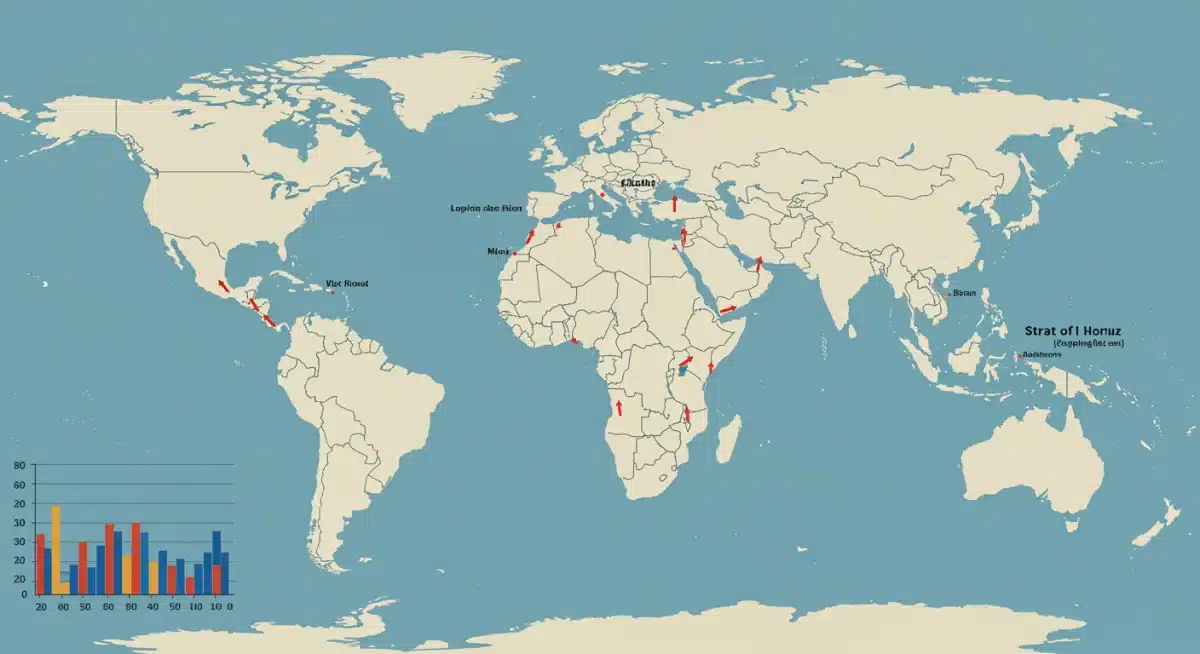
Energy companies are diversifying supply chains to reduce risk. This includes sourcing from more stable regions.
Governments are encouraging domestic production and strategic partnerships. These measures improve resilience.
Diversification is key to reducing dependence on volatile regions and ensuring long-term stability.
Role of Renewable Energy and Storage
- Accelerated development and deployment of renewable energy sources reduce overall dependence on fossil fuels.
- Advances in energy storage technologies, such as large-scale batteries, can help stabilize grids and provide backup in times of supply disruption.
- These innovations offer a long-term pathway to insulating economies from the volatility of global oil markets.
| Key Influence | Brief Description |
|---|---|
| Supply Disruptions | Conflicts or unrest in the Middle East can halt oil production and threaten shipping lanes, reducing global supply. |
| Market Speculation | Threats of instability drive speculative trading, inflating oil futures prices even without immediate supply cuts. |
| Policy & Reserves | Government responses, including SPR releases and diplomatic efforts, directly influence market stability and gas prices. |
| Cybersecurity Risks | Attacks on energy infrastructure can cause operational shutdowns and disrupt supply, adding to market volatility. |
Frequently Asked Questions About Middle East
Middle East instability directly impacts U.S. gas prices primarily through disruptions to global crude oil supply. When conflicts or unrest threaten oil production or vital shipping lanes like the Strait of Hormuz, the reduction in available crude oil drives up international prices. Since crude oil is the primary component of gasoline, these higher costs are passed directly to U.S. consumers at the pump.
Market speculation plays a significant role. Even the threat of Middle East instability can cause traders and investors to anticipate future supply shortages. This leads to increased buying in oil futures markets, bidding up prices as they hedge against potential risks. This speculative premium adds to the cost of crude oil, inflating global oil markets and consequently U.S. gas prices, sometimes even before actual supply disruptions occur.
Yes, the U.S. Strategic Petroleum Reserve (SPR) can help mitigate the impact of Middle East instability. By releasing oil from the SPR, the government can increase global supply and help stabilize or lower crude oil prices during a crisis. However, the effectiveness depends on the scale and duration of the disruption, and the SPR is a finite resource, requiring careful management to balance immediate needs with long-term energy security.
By Spring 2026, Middle East instability is projected to maintain upward pressure on global oil markets. This will manifest through continued supply chain vulnerabilities, heightened speculative activity, and potentially increased operational costs for oil companies. The ongoing geopolitical tensions will likely keep crude oil prices volatile, making long-term forecasting challenging and emphasizing the need for diversified energy sources and robust policy responses to ensure market stability.
Long-term solutions involve accelerating the global energy transition and diversifying energy sources. Increased investment in renewable energy (solar, wind) and the rapid adoption of electric vehicles reduce overall reliance on fossil fuels. This strategic shift builds resilience against geopolitical risks by decreasing demand for Middle Eastern oil, thereby insulating economies from price volatility and fostering greater energy independence over time.
Looking Ahead
The ongoing dynamics of Middle East demand continuous vigilance from policymakers and consumers.
The intertwined risks of supply disruptions, market speculation, and the strategic deployment of reserves will define the energy landscape.
Monitoring diplomatic efforts, OPEC+ decisions, and advancements in energy diversification remains crucial for understanding the trajectory of global oil markets and their direct impact on U.S. gas prices in the coming years.
This complex situation underscores the need for proactive strategies to ensure energy security and economic stability.