U.S. GDP Projections 2025: Business Outlook & Economic Forecast
Advertisements
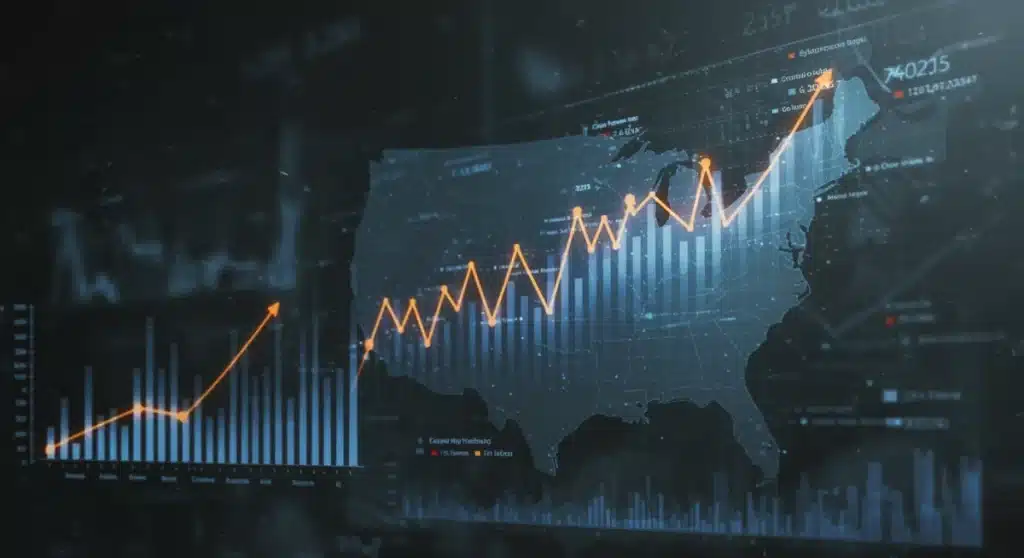
The U.S. GDP Projections for 2025 suggest a period of moderate economic expansion, shaped by ongoing inflation adjustments, evolving Federal Reserve policies, and resilient consumer and business spending.
As businesses chart their course for the coming year, understanding the U.S. GDP Projections for 2025 is paramount. The economic landscape is constantly shifting, influenced by a myriad of factors from global geopolitical dynamics to domestic monetary policy. This comprehensive outlook aims to provide clarity on what companies can anticipate in the next 12 months, offering actionable insights to navigate potential challenges and capitalize on emerging opportunities. We’ll delve into the key drivers shaping economic growth, potential headwinds, and sector-specific considerations that will define the business environment in the year ahead.
Understanding the Current Economic Climate
Before looking forward, it’s crucial to grasp the foundations of the current U.S. economic climate. The past few years have been characterized by unprecedented volatility, from the initial shock of the pandemic to the subsequent surge in inflation and aggressive monetary tightening by the Federal Reserve. These events have reshaped consumer behavior, supply chains, and investment patterns, creating a new baseline for economic analysis.
Recent data indicates a mixed picture. While inflation has shown signs of cooling, it remains above the Federal Reserve’s target, leading to continued uncertainty regarding future interest rate decisions. The labor market, though showing some moderation, has largely remained robust, supporting consumer spending. However, geopolitical tensions and persistent supply chain vulnerabilities continue to cast shadows, suggesting that the path to sustained, stable growth is not without its obstacles. Businesses must recognize these underlying currents as they formulate their strategies for 2025.
Key Economic Indicators to Watch
- Inflation Rates: Monitoring the Consumer Price Index (CPI) and Personal Consumption Expenditures (PCE) will be critical to gauge the effectiveness of monetary policy and its impact on purchasing power.
- Interest Rates: The Federal Funds Rate directly influences borrowing costs for businesses and consumers, affecting investment and spending decisions.
- Labor Market Data: Unemployment rates, job growth, and wage increases provide insights into consumer confidence and economic capacity.
- Consumer Spending: A significant driver of GDP, consumer spending trends reflect household financial health and willingness to engage in economic activity.
The interplay of these indicators will largely determine the trajectory of the U.S. economy in the coming year. A nuanced understanding of their movements is essential for businesses to anticipate shifts and respond proactively. The current environment demands agility and a clear vision, moving beyond short-term reactions to embrace long-term strategic planning.
Ultimately, the current economic climate is one of cautious optimism, tempered by persistent risks. Businesses that can accurately interpret these signals and adapt their operations accordingly will be best positioned for success in the evolving landscape. This foundational understanding is the first step in preparing for the U.S. GDP Projections for 2025.
Factors Influencing U.S. GDP Growth in 2025
Several critical factors will converge to shape the trajectory of U.S. GDP growth in 2025. These range from domestic policy decisions to global economic forces, each playing a significant role in determining the overall economic output. A holistic view is essential for businesses to understand the potential scenarios and prepare their strategies accordingly.
Monetary policy, primarily dictated by the Federal Reserve, will be a dominant force. The Fed’s stance on interest rates, influenced by inflation and employment data, directly impacts borrowing costs, investment, and consumer spending. Any pivot in policy, whether towards easing or further tightening, will send ripples throughout the economy. Fiscal policy, encompassing government spending and taxation, also holds considerable sway. Infrastructure projects, tax incentives, and social programs can stimulate or restrain economic activity, depending on their scale and focus.
Global Economic Headwinds and Tailwinds
The U.S. economy does not operate in a vacuum. Global economic conditions, including the performance of major trading partners, geopolitical stability, and commodity prices, significantly influence domestic growth. A slowdown in Europe or Asia could reduce demand for U.S. exports, while stable international relations could foster increased trade and investment.
- Geopolitical Stability: Conflicts or political instability in key regions can disrupt supply chains, increase energy costs, and dampen global trade, impacting U.S. economic performance.
- International Trade Dynamics: Trade agreements, tariffs, and the strength of the U.S. dollar against other currencies will affect export competitiveness and import costs.
- Global Demand: The economic health of major global economies influences demand for American goods and services, directly impacting U.S. manufacturing and service sectors.
Technological advancements also continue to be a powerful engine of growth. Innovation in areas like artificial intelligence, renewable energy, and biotechnology can drive productivity gains, create new industries, and generate significant investment. However, these advancements also bring challenges, such as the need for workforce reskilling and the potential for increased automation to displace certain jobs.
Consumer confidence and spending remain the bedrock of the U.S. economy. Factors such as wage growth, employment stability, and household debt levels will determine how much disposable income consumers have and their willingness to spend it. Businesses should closely monitor these trends to anticipate shifts in demand. The interplay of these diverse factors will define the environment for the U.S. GDP Projections for 2025, requiring a multifaceted approach to business planning.
Projected GDP Growth Scenarios for 2025
Forecasting economic growth is inherently complex, involving numerous variables and potential outcomes. For 2025, economists generally envision a range of scenarios for U.S. GDP growth, largely dependent on how key economic forces unfold. While a consensus points towards moderated growth, the specifics vary, offering businesses different landscapes to prepare for.
Most mainstream projections suggest a growth rate in the range of 1.5% to 2.5%. This modest expansion would signify a continued but slower recovery from recent economic turbulence, avoiding a significant downturn while not returning to the rapid growth rates seen during immediate post-pandemic periods. This scenario anticipates inflation gradually receding towards the Federal Reserve’s target, allowing for potential interest rate adjustments without triggering a recession.
Optimistic and Pessimistic Outlooks
An optimistic scenario, perhaps pushing GDP growth above 2.5%, would likely involve a more rapid deceleration of inflation coupled with robust consumer spending and a surge in business investment, possibly fueled by technological breakthroughs or significant government spending initiatives. This would create a highly favorable environment for expansion, with strong demand and ample capital.
Conversely, a pessimistic outlook, potentially seeing growth fall below 1.5% or even entering a mild recession, could be triggered by persistent inflation forcing the Fed to maintain higher interest rates for longer, a significant global economic slowdown, or unexpected geopolitical shocks. Businesses would face tighter credit, reduced demand, and increased operational costs in such a climate.
- Baseline Scenario: Moderate growth (1.5% – 2.5%) with gradual inflation cooling and stable employment. This is the most widely anticipated outcome.
- Upside Scenario: Stronger growth (above 2.5%) driven by rapid disinflation, increased investment, and resilient consumer demand.
- Downside Scenario: Slowed growth (below 1.5%) or mild recession, caused by persistent inflation, aggressive monetary tightening, or external shocks.
Businesses should develop contingency plans for each of these scenarios. Understanding the indicators that would signal a shift towards one outcome over another is crucial. Diversifying investments, maintaining healthy cash reserves, and fostering agile operational models can help mitigate risks and seize opportunities regardless of which projection for U.S. GDP Projections for 2025 materializes. Adaptability remains a key trait for success.
Impact on Key Business Sectors
The generalized U.S. GDP Projections for 2025 will translate into varied impacts across different business sectors. While some industries may experience sustained growth, others might face headwinds or require significant adaptation. Understanding these sector-specific nuances is vital for businesses to refine their strategies and allocate resources effectively.
The technology sector, particularly areas like artificial intelligence, cloud computing, and cybersecurity, is expected to continue its robust growth trajectory. Investment in digital transformation remains a priority for many businesses, driving demand for innovative solutions. However, regulatory scrutiny and talent shortages could pose challenges. The healthcare industry, driven by an aging population and advancements in medical technology, is also poised for steady expansion, though cost containment pressures will persist.

Manufacturing and Retail Adaptation
The manufacturing sector will likely continue its journey of reshoring and automation, aiming to enhance supply chain resilience and efficiency. Companies investing in advanced robotics and sustainable production methods may gain a competitive edge. However, fluctuating commodity prices and labor availability could impact profitability. The retail sector, while benefiting from consumer spending, will need to further adapt to evolving consumer preferences, particularly the continued shift towards e-commerce and personalized shopping experiences.
- Technology & AI: Continued strong growth, but faces talent acquisition challenges and increasing regulatory oversight.
- Healthcare: Stable expansion driven by demographics and innovation, with a focus on cost efficiency and personalized care.
- Manufacturing: Emphasis on automation, reshoring, and supply chain resilience; vulnerable to commodity price volatility.
- Retail: Adapting to omnichannel strategies, e-commerce growth, and evolving consumer demand for sustainable and personalized products.
The financial services sector will navigate a landscape influenced by interest rate movements, regulatory changes, and the ongoing digitalization of banking. Fintech innovations will continue to disrupt traditional models, creating both competitive pressures and opportunities for collaboration. Real estate, particularly commercial segments, may face challenges related to hybrid work models, while residential markets will be sensitive to interest rates and housing supply.
Energy and utilities will be shaped by the transition to renewable sources, government incentives, and global energy prices. Companies investing in sustainable infrastructure and clean energy solutions are likely to see growth. Overall, resilience and foresight will be key for businesses across all sectors to thrive within the economic framework of the U.S. GDP Projections for 2025.
Strategic Implications for Businesses
Given the anticipated U.S. GDP Projections for 2025, businesses must engage in strategic planning that prioritizes adaptability, efficiency, and foresight. The economic environment, though not signaling a sharp downturn, demands careful navigation to ensure sustained growth and profitability. Proactive measures will differentiate successful enterprises from those that merely react.
One primary implication is the continued focus on cost management and operational efficiency. With moderated growth, every dollar saved or optimized contributes more significantly to the bottom line. Businesses should review their supply chains for vulnerabilities, explore automation opportunities to reduce labor costs, and optimize energy consumption. Investing in robust data analytics will also be crucial for identifying inefficiencies and making informed decisions quickly.
Adapting to Monetary and Fiscal Policy
Businesses must remain highly attuned to shifts in monetary and fiscal policy. Changes in interest rates directly affect borrowing costs for expansion, working capital, and consumer financing. Companies with significant debt should consider strategies to mitigate interest rate risk. Similarly, understanding potential tax reforms or government spending initiatives can unlock new opportunities or necessitate adjustments to business models.
- Cash Flow Management: Prioritize strong cash reserves and robust cash flow forecasting to weather potential economic fluctuations.
- Supply Chain Resilience: Diversify suppliers, explore nearshoring options, and implement advanced inventory management systems to minimize disruptions.
- Talent Management: Invest in upskilling and reskilling the workforce to meet evolving technological demands and address labor market shifts.
- Digital Transformation: Accelerate adoption of AI, automation, and cloud technologies to enhance productivity and competitiveness.
Innovation will remain a key differentiator. Businesses that continue to invest in research and development, bringing new products or services to market, will capture new demand segments. This includes not just technological innovation but also process innovation and new business models that address changing consumer needs. Marketing and sales strategies will need to be agile, adjusting to shifts in consumer confidence and purchasing power, with an increased emphasis on value proposition and customer retention.
Finally, fostering strong customer relationships and building brand loyalty will be more critical than ever. In a competitive and potentially tighter economic environment, retaining existing customers is often more cost-effective than acquiring new ones. Businesses that focus on delivering exceptional value and service will strengthen their market position amidst the U.S. GDP Projections for 2025.
Emerging Opportunities and Risks
While the U.S. GDP Projections for 2025 suggest a period of moderate growth, it is crucial for businesses to identify both the emerging opportunities and the inherent risks that will characterize this economic landscape. A balanced perspective allows for proactive planning, enabling companies to capitalize on positive trends while mitigating potential downsides.
One significant opportunity lies in the continued push towards sustainability and green technologies. Government incentives, coupled with growing consumer demand for environmentally friendly products and services, are creating a fertile ground for innovation and investment in renewable energy, electric vehicles, and sustainable manufacturing. Businesses that align with these trends can tap into new markets and enhance their brand reputation.

Navigating Inflation and Interest Rates
The primary risks revolve around persistent inflation and the Federal Reserve’s response. If inflation proves more stubborn than anticipated, the Fed might be compelled to maintain higher interest rates for longer, increasing borrowing costs and potentially dampening investment and consumer spending. This could lead to tighter credit conditions and slower economic expansion.
- Opportunity: Green Economy: Significant growth potential in renewable energy, sustainable products, and eco-friendly services, driven by policy and consumer demand.
- Risk: Inflation Persistence: Higher-than-expected inflation could lead to continued monetary tightening, impacting borrowing costs and consumer budgets.
- Opportunity: Digital Transformation: Ongoing demand for AI, automation, and cybersecurity solutions presents growth avenues for tech providers and adopters.
- Risk: Geopolitical Uncertainty: Global conflicts or trade disputes could disrupt supply chains, increase commodity prices, and reduce international demand.
Another area of opportunity lies in the burgeoning digital economy. The acceleration of digital transformation across industries continues to create demand for advanced software, data analytics, and artificial intelligence solutions. Businesses that leverage these technologies can enhance efficiency, personalize customer experiences, and unlock new revenue streams. The remote work paradigm also presents opportunities for companies offering flexible work solutions and digital collaboration tools.
On the risk side, geopolitical instability and supply chain vulnerabilities remain pressing concerns. Any escalation of international conflicts or trade tensions could disrupt global commerce, leading to increased costs and shortages. Cybersecurity threats also continue to evolve, posing significant risks to data integrity and operational continuity. Businesses must invest in robust security measures to protect their assets. Successfully navigating these opportunities and risks will be critical for businesses looking to thrive within the framework of the U.S. GDP Projections for 2025.
Preparing Your Business for the Next 12 Months
As the U.S. GDP Projections for 2025 take shape, businesses need to implement concrete strategies to prepare for the evolving economic environment. Proactive planning and a focus on resilience will be key to navigating potential challenges and maximizing growth opportunities over the next 12 months. This involves a multi-faceted approach touching on financial management, operational efficiency, and market responsiveness.
Firstly, strengthening your financial position is paramount. This includes maintaining healthy cash reserves, optimizing working capital, and carefully managing debt levels. Businesses should review their financing options and assess their sensitivity to interest rate fluctuations. Developing realistic financial forecasts, incorporating various GDP growth scenarios, will enable better decision-making and resource allocation. A robust financial foundation provides the flexibility needed to respond to unexpected market shifts.
Enhancing Operational Resilience
Operational resilience is another critical area. Businesses should conduct thorough reviews of their supply chains, identifying single points of failure and diversifying supplier networks where possible. Investing in inventory management systems and exploring localized sourcing can mitigate risks associated with global disruptions. Furthermore, embracing automation and digital tools can boost productivity and reduce reliance on volatile labor markets, enhancing overall operational efficiency.
- Financial Prudence: Build strong cash reserves, manage debt, and conduct scenario-based financial planning.
- Supply Chain Diversity: Expand supplier networks and explore local sourcing to reduce vulnerability.
- Technology Adoption: Integrate AI, automation, and data analytics to optimize operations and decision-making.
- Workforce Development: Invest in employee training and retention to build a skilled and adaptable team.
- Customer Engagement: Reinforce customer loyalty through superior service and personalized experiences.
Investing in your workforce is also crucial. The labor market may continue to evolve, making talent acquisition and retention competitive. Businesses should focus on upskilling their employees, fostering a positive work culture, and offering competitive compensation and benefits. An engaged and skilled workforce is a significant asset in any economic climate, particularly one with moderate growth expectations.
Finally, maintaining close relationships with customers and continuously monitoring market trends will ensure businesses remain responsive to changing demands. Gathering customer feedback, adapting product offerings, and refining marketing strategies based on real-time data are essential. By proactively addressing these areas, businesses can position themselves for success and navigate the complexities suggested by the U.S. GDP Projections for 2025 with confidence and strategic agility.
| Key Aspect | 2025 Outlook Summary |
|---|---|
| Projected GDP Growth | Moderate expansion, generally between 1.5% and 2.5%, avoiding a significant downturn. |
| Inflation & Interest Rates | Expected to cool gradually, influencing Federal Reserve’s rate decisions and borrowing costs. |
| Key Business Strategies | Focus on operational efficiency, supply chain resilience, and digital transformation. |
| Emerging Opportunities | Green economy, AI, and digital solutions present significant growth avenues. |
Frequently Asked Questions about 2025 U.S. Economic Outlook
The general outlook for U.S. GDP growth in 2025 is one of moderated expansion, typically projected between 1.5% and 2.5%. This anticipates a continued but slower recovery, aiming to avoid a significant economic downturn while not returning to the rapid growth rates seen immediately post-pandemic.
Inflation is expected to cool gradually, but its persistence will guide the Federal Reserve’s interest rate decisions. Businesses should anticipate borrowing costs to remain a key consideration. Higher rates could impact investment and consumer spending, emphasizing the need for robust financial management and cost control.
Sectors like technology (especially AI and cybersecurity), healthcare, and those aligned with the green economy are poised for strong performance. These industries benefit from ongoing innovation, demographic shifts, and increasing demand for sustainable solutions, driving continued investment and growth.
Key risks include the potential for persistent inflation, leading to prolonged higher interest rates, and ongoing geopolitical instability that could disrupt global supply chains and commodity prices. Businesses must also remain vigilant against evolving cybersecurity threats and labor market shifts.
Businesses should prioritize financial prudence, including strong cash flow management and debt optimization. Enhancing operational resilience through supply chain diversification and technology adoption is crucial. Investing in workforce development and maintaining strong customer relationships will also be vital for adapting to market changes.
Conclusion
The U.S. GDP Projections for 2025 paint a picture of continued, albeit moderated, economic growth. This outlook necessitates a strategic approach from businesses, emphasizing agility, efficiency, and foresight. While challenges such as inflation and geopolitical uncertainties persist, significant opportunities in areas like digital transformation and the green economy are emerging. By proactively adapting to evolving monetary and fiscal policies, strengthening financial positions, and investing in resilient operations and skilled workforces, businesses can successfully navigate the complexities of the coming year. The ability to interpret economic signals and pivot quickly will be the hallmark of successful enterprises, ensuring they not only survive but thrive in the dynamic 2025 economic landscape.