2026 Federal Benefits Updates: 5 Key Changes Decoded
Advertisements
Federal Benefits in 2026 include a 2.0% COLA for eligible FERS annuitants and a 2.8% increase for CSRS retirees, directly affecting retirement income for qualifying federal workers.
Federal employees can also contribute up to $24,500 to the Thrift Savings Plan in 2026, while workers ages 60–63 may qualify for an enhanced $11,250 catch-up contribution.
Readers should monitor FEHB plan and premium changes ahead of the next Federal Benefits Open Season in November 2026, while reviewing retirement, health, dental, vision, and FSA options annually.
Decoding the Latest 2026 Federal Employee Benefits Updates: An Overview of Key Shifts
The landscape of federal employee benefits is dynamic, with periodic adjustments reflecting evolving economic conditions and policy priorities. The 2026 revisions represent a concerted effort to ensure the long-term sustainability and effectiveness of these critical programs.
These updates are not merely administrative tweaks; they carry substantial implications for federal employees’ financial security and access to quality healthcare. Staying informed is paramount to making proactive decisions regarding your future.
Official statements emphasize a balance between fiscal responsibility and maintaining competitive benefits to attract and retain a skilled federal workforce. The specific details now emerging provide a clearer picture of this delicate equilibrium.
Enhanced Focus on Preventive Healthcare Measures
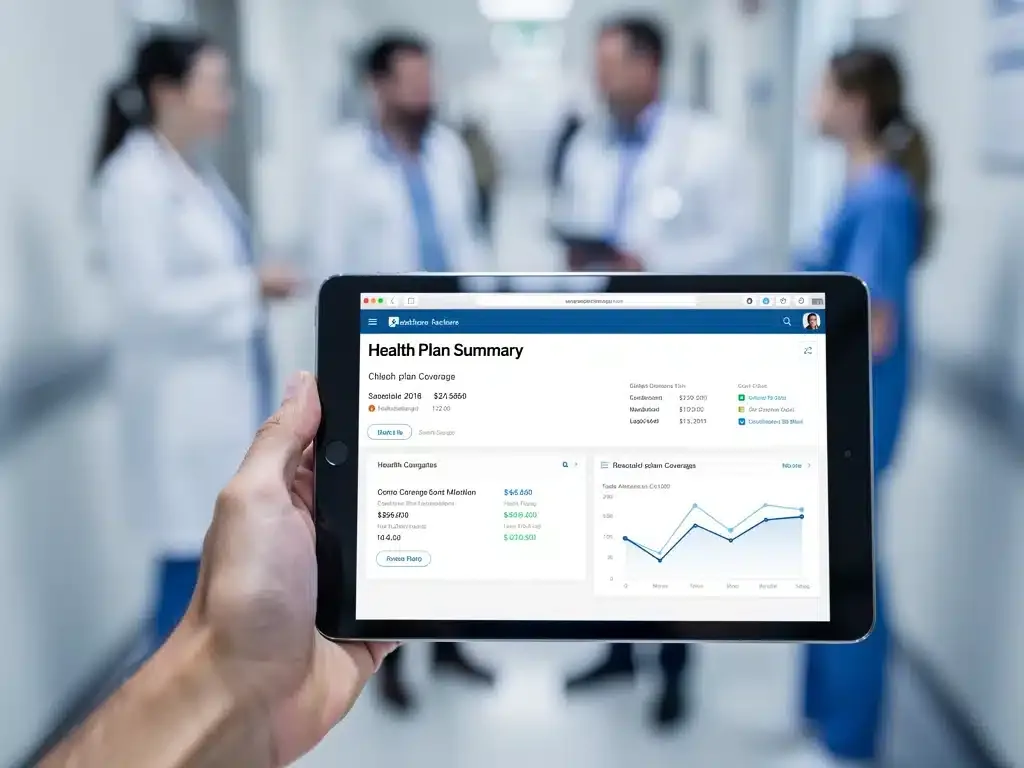
One of the significant changes involves an increased emphasis on preventive healthcare within the FEHB program. This initiative seeks to promote wellness and reduce long-term medical costs by incentivizing early detection and proactive health management.
New guidelines encourage FEHB plans to expand coverage for routine screenings, vaccinations, and wellness programs, potentially reducing out-of-pocket expenses for preventative services. The goal is to shift from reactive treatment to proactive health maintenance.
This change reflects a broader national trend towards value-based care, where health outcomes and prevention are prioritized. Federal employees should review their chosen FEHB plans for updated lists of covered preventive services and associated incentives.
Adjustments to Federal Employees Retirement System (FERS) Contributions
Another critical update concerns employee contribution rates to the Federal Employees Retirement System (FERS). While specific percentages are still being finalized, preliminary indications suggest a modest increase for certain tiers of employees.
These adjustments are designed to bolster the solvency of the retirement fund, ensuring its stability for future generations of federal retirees. The impact on individual take-home pay will vary based on salary and years of service.
Federal employees are advised to consult their payroll statements and official FERS communications for personalized information regarding these new contribution rates. Financial planners can also offer guidance on how these changes might affect long-term retirement planning.
Understanding the Impact of Healthcare Plan Revisions
The 2026 Federal Benefits Updates include several revisions to the FEHB program, influencing plan choices and coverage options. These changes aim to streamline offerings and improve overall efficiency.
Federal employees will encounter new plan structures and benefit designs, requiring careful evaluation during the annual Open Season. The selection process will demand a deeper understanding of individual and family healthcare needs.
The Office of Personnel Management (OPM) is expected to release detailed guides outlining these changes well in advance of the 2025 Open Season. These resources will be invaluable for informed decision-making.
Changes to Prescription Drug Coverage Tiers
A notable revision within FEHB plans involves the restructuring of prescription drug coverage tiers. This could mean changes to co-payments, deductibles, and the availability of certain medications.
Some plans may introduce more tiered options, categorizing drugs based on cost-effectiveness and generic availability. This aims to encourage the use of lower-cost alternatives where appropriate, without compromising efficacy.
Employees currently managing chronic conditions with specific medications should pay close attention to how their current prescriptions will be classified under the new tiers. Early review can prevent unexpected costs.
Expanded Telehealth and Virtual Care Services
The 2026 updates also formalize and expand coverage for telehealth and virtual care services across most FEHB plans. This reflects the growing acceptance and effectiveness of remote medical consultations.
This expansion will likely include broader access to mental health services, routine check-ups, and specialty consultations via secure digital platforms. It offers increased convenience and accessibility, particularly for those in remote areas or with mobility challenges.
The integration of robust telehealth options aims to improve access to care and reduce the need for in-person visits for certain conditions. Federal employees should verify the specific virtual care offerings of their chosen plan.
Navigating Retirement System Modifications and Investment Opportunities
Beyond healthcare, the 2026 Federal Benefits Updates bring significant modifications to the retirement system, particularly affecting FERS participants. These changes are designed to ensure the long-term solvency of the system while adapting to demographic shifts.
Federal employees need to carefully assess how these adjustments intersect with their personal retirement goals and investment strategies. Proactive planning is more critical than ever to secure a comfortable retirement.
The Thrift Savings Plan (TSP) will also see some enhancements, offering new avenues for federal employees to maximize their retirement savings. These updates provide both challenges and opportunities for financial growth.
New Investment Fund Options within TSP
The Thrift Savings Plan (TSP) is introducing new investment fund options, providing federal employees with greater flexibility and diversification opportunities. These additions cater to a wider range of risk tolerances and investment philosophies.
These new funds could include options focused on socially responsible investing, international markets, or more aggressive growth strategies. The goal is to empower participants to tailor their portfolios more closely to their individual financial objectives.
Federal employees should review the details of these new TSP funds once they are officially announced. Educational resources from the TSP will be available to help participants understand the nuances of each option and make informed decisions.
Changes to FERS Annuity Calculation Factors
The calculation factors for FERS annuities are also subject to review and potential modification in the 2026 Federal Benefits Updates. While core components remain, specific multipliers or years of service requirements might be adjusted.
These adjustments are typically made to align the annuity benefits with current economic realities and life expectancies. Any changes will be carefully communicated to allow employees to understand the potential impact on their future retirement income.
Employees nearing retirement or those planning to retire within the next decade should pay particular attention to these potential changes. Consulting with a retirement specialist or OPM resources can provide personalized projections.
The Broader Implications for Federal Workforce Planning
The 2026 Federal Benefits Updates extend beyond individual employee impacts, influencing broader workforce planning and recruitment strategies across federal agencies. These changes are part of a continuous effort to modernize federal employment.
Agencies will need to adapt their human resources strategies to communicate these changes effectively and ensure employees understand their options. The ability to attract and retain top talent relies heavily on competitive benefits packages.
The updates also reflect a commitment to ensuring that federal benefits remain relevant and valuable in an evolving job market. This strategic alignment is crucial for the long-term health of the federal workforce.
Impact on Recruitment and Retention Strategies
Federal agencies are closely monitoring how the updated benefits package will affect their ability to recruit new talent and retain experienced personnel. Competitive benefits are a cornerstone of federal employment appeal.
A well-communicated and robust benefits package, even with adjustments, can serve as a powerful tool for attracting skilled individuals. Conversely, perceived reductions could necessitate other incentives to maintain a strong workforce.
Recruitment efforts will likely highlight the comprehensive nature of the revised benefits, emphasizing the long-term security and holistic support offered to federal employees. Agencies are preparing new informational materials for prospective hires.
Training and Educational Resources for Employees
To support federal employees through these changes, agencies are developing extensive training and educational resources. These initiatives aim to provide clear, accessible information on all aspects of the 2026 Federal Benefits Updates.
Workshops, webinars, and updated online portals will be made available to help employees understand their new options, navigate enrollment processes, and make informed decisions. The goal is to minimize confusion and maximize understanding.
Employees are strongly encouraged to utilize these resources as they become available. Proactive engagement with educational materials can significantly ease the transition and ensure full utilization of all available benefits.
Navigating the New Landscape: What Federal Employees Must Do
With the 2026 Federal Benefits Updates on the horizon, proactive engagement is essential for all federal employees. Understanding the nuances of these changes will allow for informed decision-making regarding healthcare and retirement.
It is not enough to simply be aware of the changes; active participation in reviewing personal plans and seeking clarification where needed is crucial. This personalized approach will yield the best outcomes.
The coming months will be critical for gathering information, attending informational sessions, and consulting with financial and benefits experts. Prepare now to secure your future.
Reviewing Your Current FEHB Plan
Federal employees should begin reviewing their current FEHB plan to identify how the upcoming changes might affect their coverage. Compare your existing benefits with the new offerings.
Pay close attention to changes in deductibles, co-pays, out-of-pocket maximums, and prescription drug formularies. This early assessment will inform your choices during the next Open Season.
Consider your family’s healthcare needs and anticipated medical expenses for 2026. This detailed review will help you select the most suitable plan under the revised framework.
Assessing Your Retirement Planning Strategy
The FERS contribution adjustments and new TSP investment options necessitate a reassessment of your retirement planning strategy. Ensure your current plan aligns with the updated benefits structure.
Evaluate your risk tolerance and investment goals in light of the new TSP fund choices. Consider consulting a financial advisor to optimize your retirement savings strategy.
For those nearing retirement, understanding the revised FERS annuity calculation factors is paramount. Obtain personalized projections to accurately forecast your future retirement income.
Key Dates and Resources for Federal Employees
Staying abreast of the 2026 Federal Benefits Updates requires awareness of key dates and access to reliable resources. Official communications will provide the most accurate and timely information.
The Office of Personnel Management (OPM) and individual agencies will serve as primary sources for detailed guidance and announcements. Bookmark relevant websites and subscribe to official newsletters.
Mark your calendars for the upcoming Open Season, which is the designated period for making changes to your FEHB and other benefit elections. Missing this window could impact your coverage.
Official Communication Channels and Websites
The OPM website and your agency’s human resources portal are the official communication channels for all federal benefits updates. These platforms will host detailed documents, FAQs, and contact information.
Look for specific sections dedicated to the 2026 changes, which will likely include comprehensive guides and comparison tools. Relying on unofficial sources can lead to misinformation.
Subscribe to email alerts from OPM to receive timely notifications regarding new information, webinars, and important deadlines. This ensures you do not miss critical announcements.
Upcoming Informational Webinars and Workshops
Federal agencies and OPM will host a series of informational webinars and workshops in the coming months to explain the 2026 Federal Benefits Updates. These sessions offer direct interaction and expert insights.
Attending these events provides an opportunity to ask specific questions and gain a deeper understanding of how the changes apply to your personal situation. Many sessions will be recorded for later viewing.
Check your agency’s training calendar and OPM announcements for schedules and registration details. Participation in these educational programs is highly recommended for all federal employees.
Anticipating Further Developments in Federal Benefits
The 2026 Federal Benefits Updates represent a significant milestone, but the landscape of federal employee benefits is subject to continuous evolution. Future developments will likely build upon these current changes.
Policy discussions, economic forecasts, and the needs of the federal workforce will continue to shape benefit offerings. Remaining informed about broader trends is as important as understanding specific details.
GransNews.com will continue to monitor these developments, providing timely and accurate reports on any new information as it becomes available. Our commitment is to keep federal employees well-informed.
Potential for Future Legislative Actions

While the 2026 updates are set, the potential for future legislative actions related to federal benefits always exists. Congress periodically reviews and proposes changes to federal compensation and benefits packages.
These potential actions could introduce further modifications to healthcare, retirement, or other aspects of federal employment. Staying engaged with federal policy discussions is key.
Federal employee unions and advocacy groups also play a crucial role in shaping these discussions, representing the interests of the workforce. Their input often influences legislative outcomes.
Long-Term Outlook for Federal Employee Well-being
The long-term outlook for federal employee well-being is intrinsically linked to the stability and competitiveness of their benefits. The 2026 updates are a step towards ensuring this stability.
A comprehensive and adaptable benefits system contributes significantly to employee morale, productivity, and overall career satisfaction. These updates aim to support a healthy and secure federal workforce.
The continuous refinement of federal benefits underscores a commitment to the men and women who serve the nation. GransNews.com will keep you informed on how these efforts progress.
| Key Change | Brief Description |
|---|---|
| Preventive Healthcare | Expanded coverage and incentives for wellness programs and screenings. |
| FERS Contributions | Modest increase in employee contribution rates for specific tiers. |
| TSP Fund Options | Introduction of new investment funds for greater portfolio diversification. |
| Telehealth Services | Formalized and expanded coverage for virtual medical and mental health care. |
Frequently Asked Questions About 2026 Federal Benefits Updates
What are the primary goals of the 2026 Federal Benefits Updates?▼The primary goals are to ensure the long-term sustainability of federal benefit programs, maintain competitive offerings for a skilled workforce, and adapt to evolving healthcare and economic landscapes. These updates aim for fiscal responsibility while supporting employee well-being.
How will these changes affect my current FEHB plan?▼Your current FEHB plan may see revisions in prescription drug tiers, preventive care coverage, and expanded telehealth services. It’s crucial to review your plan’s specific details during the next Open Season to understand the full impact on your coverage.
Will my FERS retirement contributions increase?▼Preliminary indications suggest a modest increase in FERS employee contribution rates for certain tiers. The specific percentages are being finalized, and employees should consult official communications for personalized information regarding these adjustments to their payroll.
What new investment options are coming to the TSP?▼The Thrift Savings Plan (TSP) is expected to introduce new investment fund options, offering greater flexibility and diversification opportunities. These additions will cater to a wider range of risk tolerances, empowering participants to tailor their portfolios.
Where can I find official information and support for these updates?▼Official information will be available on the OPM website and your agency’s human resources portal. Look for informational webinars, workshops, and updated guides. Subscribing to OPM email alerts is also highly recommended for timely notifications.
What Happens Now
The 2026 Federal Benefits Updates mark a pivotal moment for federal employees, requiring active engagement and informed decision-making.
The coming months are crucial for reviewing personal healthcare and retirement strategies in light of these changes. Federal agencies and OPM will provide extensive resources, and utilizing them will be key to navigating this new landscape effectively.
Staying informed and proactive will ensure that federal employees can maximize their benefits and secure their financial and health futures.